Super-Souvenirs

Standard

Last time we talked about lessons learned from conventions, whether the audience is teachers or cosplayers.


I nearly forgot one of the best rewards of attending conferences and meetings . . . the STUFF!

The swag . . . the loot . . . the prizes . . . the souvenirs.

This past weekend I participated in a state teacher conference, and I got a few of the usual convention freebies — posters, books, pens, highlighters, candy, a shirt, and more.  Someone I know even won a free corn snake!

corn snake

Take me home!


The best convention prize I ever got was a children’s book about Buzz Aldrin, signed by the astronaut himself!

buzz book


This very same weekend I came home and took my family to Marvel Universe Live!  (Think “Disney on Ice” with superheroes on motorcycles and high-wire acts.)

MUL_05_web bikes.png


The show was full of explosions, stuntmen (and stuntwomen), along with cheesy comic book dialogue. Best of all, it’s the only way (so far) you can see live-action Avengers fight alongside live-action X-Men and Spider-Man.

mc-review-marvel-universe-live-at-ppl-center-has-flaws-but-is-big-and-fun-20151016.jpg


My kids loved the show (me and the wife, too), and they also loved the souvenirs.  Just like conferences and conventions, this event had gobs of stuff to take home.  Such trinkets cost money, though.

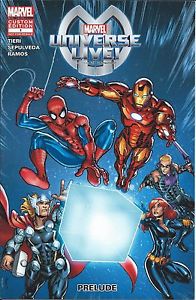
But where else are you going to get an exclusive Marvel Universe Live! Prelude Comic Book?

prelude comic


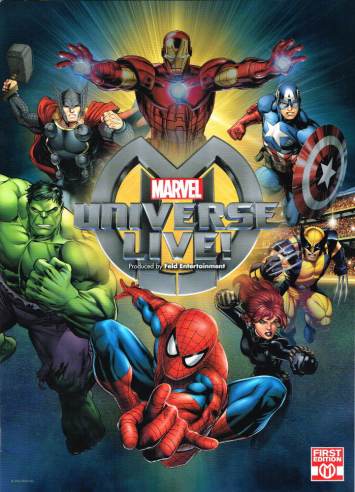
Or giant-sized Program Book (with embossed cover)?

mu_live_program book


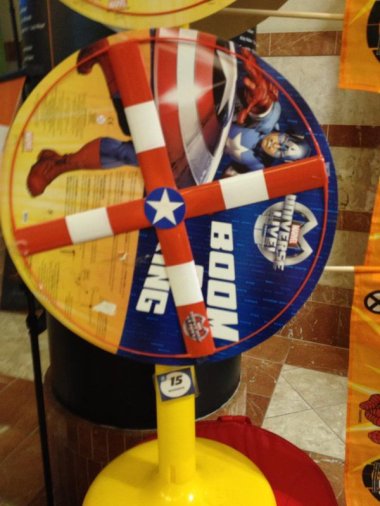
Or Captain America Boomerang?  (It works, too . . . in theory.)

boomerang


Or official Marvel Universe Live! cotton candy (with superhero mask)?

cotton candy.jpg

My family bought all of these beauties – BONUS!


Another lesson learned from this weekend is that teachers give their students an array of souvenirs over the course of a school year.  And I’m not just talking about content knowledge.

Every year, I ask my pre-service teachers to imagine their students at the end of the year.  In an ideal world, what will those kids be like?  What skills will they possess?  What traits, habits, and feelings do they have?

Elementary school pupils running outside


I’ve written about this before in a more scholarly setting. To be brief, the new teachers end up with a short list of about ten items.  The same types of traits and skills always emerge.

Teachers want students who are . . .

  • Critical Thinkers
  • Creative
  • Problem Solvers
  • Caring and Kind
  • Hard Workers
  • Curious
  • Lifelong Learners
  • Collaborative
  • Effective Communicators

And students who possess solid content understanding, of course.

School routine


Souvenirs are an important part of comic book conventions, education conferences, superhero stunt shows, and even school classrooms.

Some are free.  Others are pricy.  Cost does not always correlate with value.

What are your classroom’s best souvenirs?

Consider what “souvenirs” you provide for students over the course of the year.  Make sure they are treasures that last a lifetime.


marvel souvenirs

Teacher versus Teacher

Standard

The holiday season is upon us, which means it’s time to watch the latest trailers for next year’s big superhero movies.

First up is Batman v Superman: Dawn of Justice, opening in theaters March 25, 2016.

Soon after comes Captain America: Civil War, hitting the big screens May 6, 2016.

Notice any trends?  Take a look again at these images:


That’s right folks, 2016 is the year of the superhero stare-down.

Oh yeah.  It’s also the year of superhero versus superhero.  Sounds fun, yes?  (Almost as fun as a stare-down contest.  Hulk make puny human blink!)

Heroes fighting heroes is nothing new.  They’ve been doing it in comic books for decades.  That’s how Wolverine and the Hulk first met, back in The Incredible Hulk #181, published November 1974.

hulk wolverine first meet

Fighting is how Wolverine and the Hulk meet a lot of folks.

Marvel and DC Comics have occasionally joined forces to have their heroes fight it out, most memorably in 2003-2004’s JLA/Avengers mini-series.

JusticeLeagueVsAvengers1


Some of the previous films have already included minor skirmishes, too, such as Iron Man and War Machine in Iron Man 2 (life lesson: don’t drink and don an Iron Man suit).


Marvel’s “big three” heroes–Iron Man, Thor, and Captain America–first share the screen after a fracas in the first Avengers movie:


Then we also have Iron Man vs. Hulk in the second Avengers movie (Age of Ultron), which kicks things up a notch.


There’s no mystery why these fights occur.  Heroes duking it out with each other is loads of fun to watch.  And most of the time, they eventually work out their differences to defeat the REAL bad guys.

Heroes versus heroes is dangerous and entertaining, and the same is true for teachers versus teachers–but not in a good way.

Given the pressures involved with teaching, disagreements are bound to arise from time to time.  We don’t always see eye-to-eye when it comes to assessments, curriculum, scheduling, resources, management and discipline, and more.  Heck, there may even be some colleagues in your building or department that rub you the wrong way.

As teachers we must not allow friction to fester.  Ongoing bickering is noticeable and results in classroom snickering. Dampen combustible situations with grace and good-natured humor.  “Lie low” when you need to.

Resist the urge to blow off steam in front of your students. Avoid any gossip or rumor-mongering by students and staff alike.  Speak highly of your colleagues in front of others, pointing out strengths and past successes.

teacher_colleagues_getting_along

Here are some other resources for fostering positive relationships with your co-workers:

The website We Are Teachers has an eye-catching blogpost entitled “How to Get Along with ANY Teaching Colleague (From the Whiners to the Kiss Ups!)”  Of course, it’s important to consider what kind of colleague you become on your not-so-good days.  Personally, I’ve been known to be the “negative Nancy” (Ned) during grouchy times.

The Association of Teachers and Lecturers (of the United Kingdom) has a helpful guide for new and beginning teachers.  Some useful advice includes “staffroom etiquette” and what to do if you have concerns about colleagues.

The National Education Association (NEA) provides ideas for building collaboration in your classroom via co-teaching.  Instead of negative energy, co-teaching harnesses positive teacher relationships and teamwork for successful student learning.

For a more in-depth examination, take a look at the book Teachers Working Together by Mario Martinez.  For a quick view, You can find excerpts here courtesy of Google Books.

4113_martinez_TWT


Hopefully these resources will provide you with inspiration and information on getting along with your fellow educators.

And if it’s just inspiration you need, remember the current holiday season and do your part to bring . . .

Chalk_Peace_on_Earth


What’s in a Name?

Standard

Keen-eyed readers will notice that this blog has recently changed its official name from Teaching is for Superheroes! to Teach Like a Superhero!  (The exclamation point remains!)

Not that big of a change, really, except that the new name rolls off the tongue a little more easily.  Another change is the primary web address:  http://www.teachlikeasuperheroblog.com.  This new URL is not very short, but it gets to the point.

(I tried a shorter address, but “www.tlash.com” sounds like an eyeliner product.  And a good of an excuse as any to share this meme inspired by Captain America: The Winter Soldier)

eyeliner

If all of this http://www.mumbo.jumbo stresses you out, don’t worry.  The old web address, http://www.teachingsupeherheroes.wordpress.com, still works and will lead you right back here.

This post is not just an announcement about blog name changes.

Let’s talk about names of superheroes and names of teachers.

Spider-Man_The_X-Men_1_Preview_3

I remember two things from my very first teacher back-to-school in-service meeting.  The first memory is a litany of details regarding health insurance and employee benefits.  The second memory is our assistant principal reminding us all that we are “Mr. Smith,” not “Smith” or “Mr. S.”

His point was to start the school year establishing a professional identify and requiring our students to address us as such.  It may seem like no big deal for a student to abbreviate your name (“Mr. B.”) or leave off your honorific (“Bergman”).  Some teachers may even welcome such nicknames to foster a more relaxed classroom environment.

But we must always be careful to not get too comfortable with our students.  Stop and consider the range of impacts this lackadaisical habit could impart.

I’m sure I’ve allowed my students to call me all sorts of things and get away with it.  But it does help to maintain a level of respect among everyone – teacher to student, student to teacher, teacher to teacher, student to student, and more.

Proper names matter among superheroes, too, and not just with maintaining secret identities.  Personally, I cringe whenever I read superheroes calling each other playful nicknames.

hawkeye-your-way-small-captain-america-2-deleted-scene-meant-cap-fighting-who-jpeg-127715

They’re heroes, not BFFs!

Superhero nicknames have long been a staple in comics.  Witty banter and clever monikers keep the “funny” in funny books, after all.  And it helps convey some characters’ personalities.

Wolverine, for example, with Colossus:

wolverine colossus

And here (off-panel) with Professor Xavier:

Chuck

The best name-caller, of course, was Stan “The Man” Lee, who was so proficient he even came up with nicknames for his real-life co-workers (e.g. Jack “The King” Kirby, “Jazzy” Johnny Romita, “Merry” Gerry Conway, and many MANY more right here).

Like any good joke, though, overuse of superhero sobriquets can get tiresome.  Especially among champions who should focus their attention on more important things – like fighting bad guys and saving the world!

Avengers1-144

What’s worse, many of these affectionate nicknames can actually undermine the job of life-risking heroics.

Spider-Man-Joins-Marvel-Cinematic-Universe

“Spidey” for Spider-Man works fine for his hip quippy character;  but take a look at other heroes and their less-dignified labels:

Batman = “Bats”

Superman = “Supes”

Green Lantern = “GL”

Ugh.  Apparently, characters in the DC Universe have a thing for abridging names.  Marvel nicknames, though more colorful, can still cheapen a heroic legacy.

The Mighty Thor = “Goldilocks”

The Hulk = “Ol’ Greenskin”

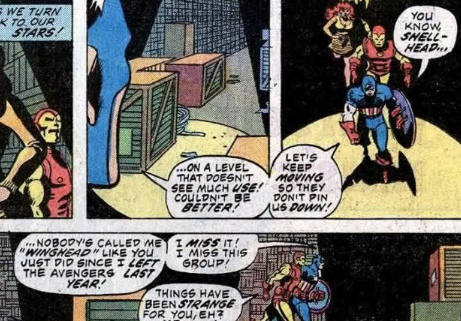
Iron Man = “Shellhead”

Captain America = “Cap,” “Winghead,” “Star-Spangled Avenger”

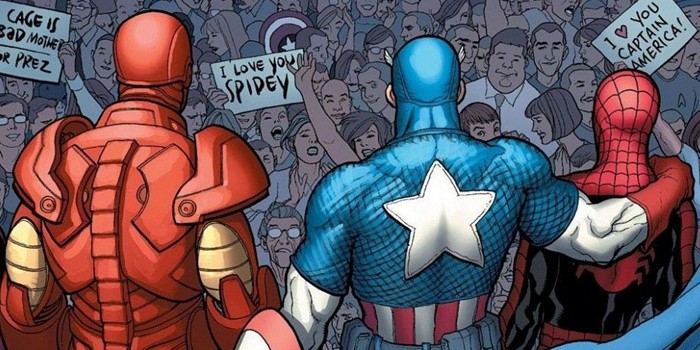
We come back to Captain America because it’s maybe the clearest example of a noble hero who’s legendary status is downgraded by casual familiarity.  And it’s not just by fellow heroes, but even by us regular citizens.

captain-america-kooky-quartet-107425

Call me a Stick-in-the-Mud (“Bromidic Bergman”), but superheroes deserve a little more formality.  The same goes for teachers.  Although it may seem cool for kids to use teacher nicknames, be careful with letting things get too capricious or contemptuous.

So whenever you hear a student or colleague refer to you as  “Mrs. T” or “Thompson” or “Yo, Teach,” gently remind them how they can address you more properly.

Just remember, it’s not “Mr. F.” It’s Mr. Fantastic.

Wieringo_reedrichards

And it’s not “Incredible;” it’s Mr. Incredible.

mr incredible

And it’s not “Marvel;” it’s Ms. Marvel.

Ms.-Marvel

Actually, the original Ms. Marvel goes by Captain Marvel now.

But never “Cap.”

Multiple Madness

Standard

Sadly, this entry does not feature one of my favorite superheroes – Jamie Madrox, a.k.a. The Multiple Man. But I’m going to include a picture of him (them) anyway:

Multiple Man X

On to business!

Warning: Today’s topic contains both intense geekery and buzzword-bashing. Proceed cautiously.

Blockbuster movies are not the only highlight of summer. It’s also the season when comic book publishers launch company-wide crossovers that promise to shake up a universe or two (or 52).

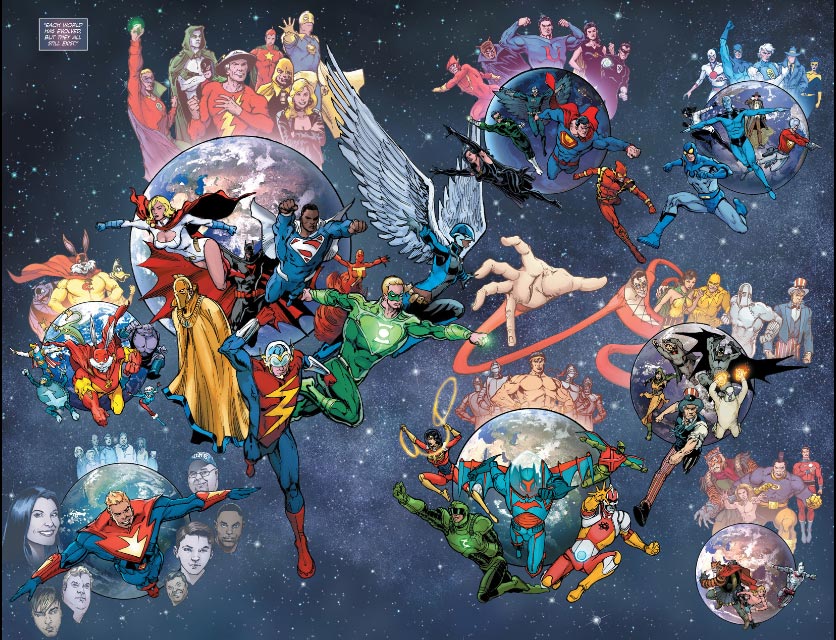
Marvel Comics and DC Comics have both blasted readers with major events this year. DC recently ran through a “Convergence” that ended with every version of its universe (pre-Crisis, pre-Zero Hour, pre-Flashpoint, etc.) returning to existence. That means every crazy version of familiar heroes and villains can appear in some form or another in one of several alternate universes, or multiverses.

convergencewrap1

Confused? Check the hyperlinks above to read more about DC’s habit of rewriting history in their comic books (“reboots”). And you can read more here and here, then impress your friends with a mindful of multiversity.

Reboots are Made for Walking . . .

DC rebooting its universe(s) is nothing new. But Marvel Comics has always prided itself on maintaining a single continuity in its main universe (called “Earth-616,” and don’t ask why).

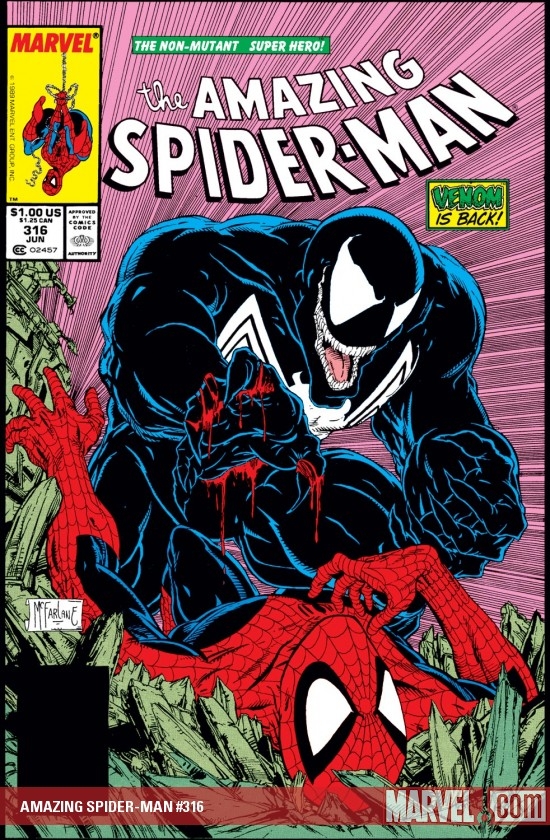
That’s all changed this summer, though, with Marvel’s tentpole production “Secret Wars.” If that name sounds familiar, the original “Secret Wars” (1984) was Marvel’s first mega-crossover teaming up all of its major heroes – Spider-Man, the Avengers, Fantastic Four, the X-Men, and more. Plus, it’s where Spidey got himself his snazzy black costume that . . . didn’t end well.

secret wars 8  spidey venom

In Marvel’s current 21st century crossover, every alternate universe (technically not the same as a multiverse; trust me) is starting to shmoosh into each other, with Earth as the epicenter.

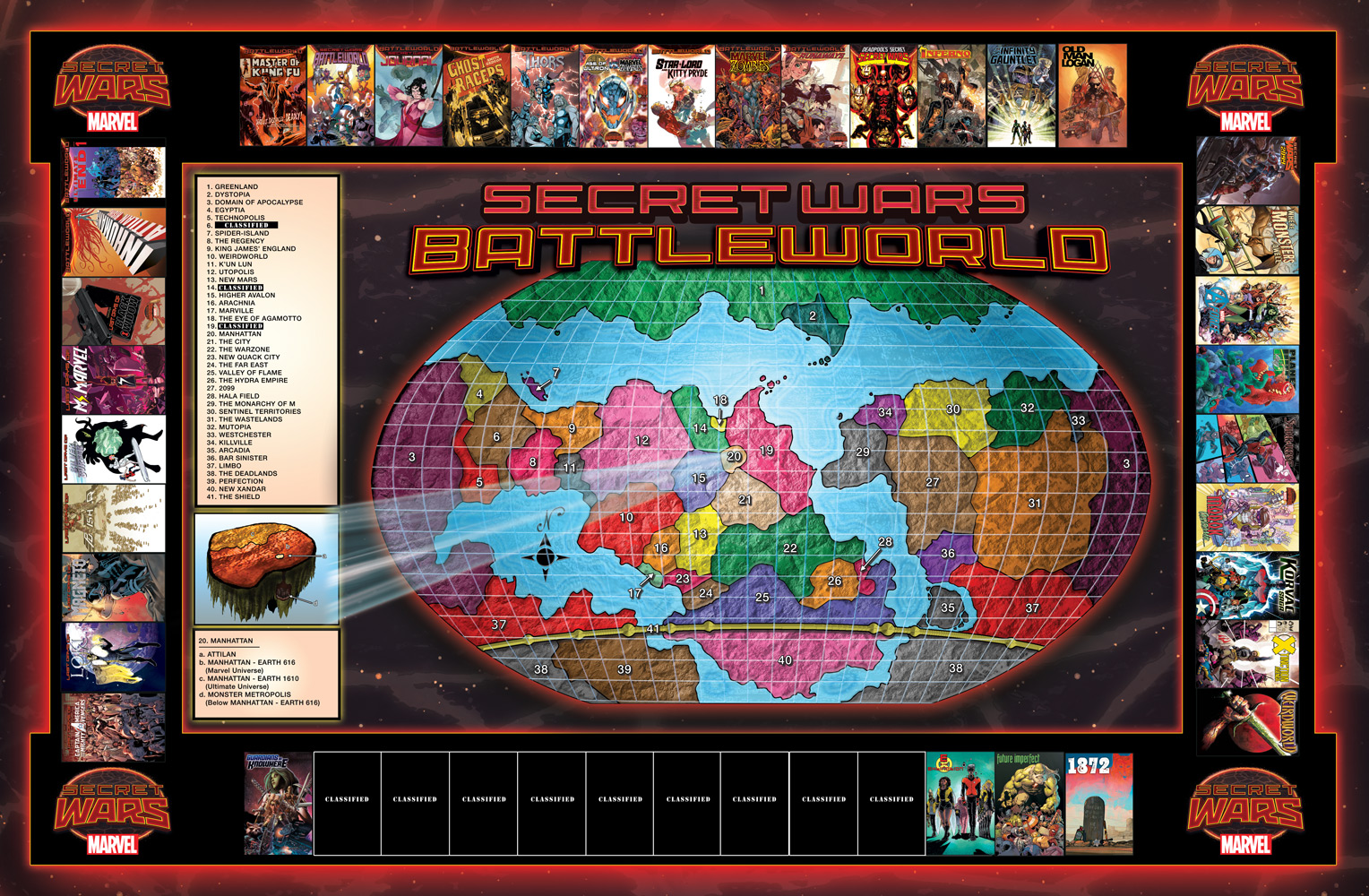
What results is a hodgepodge of alternative Marvel Earths mish-mashed all on one planet. This subsequent world is called “Battleworld,” where apparently assorted Marvel heroes and variations duke it out over land rights.
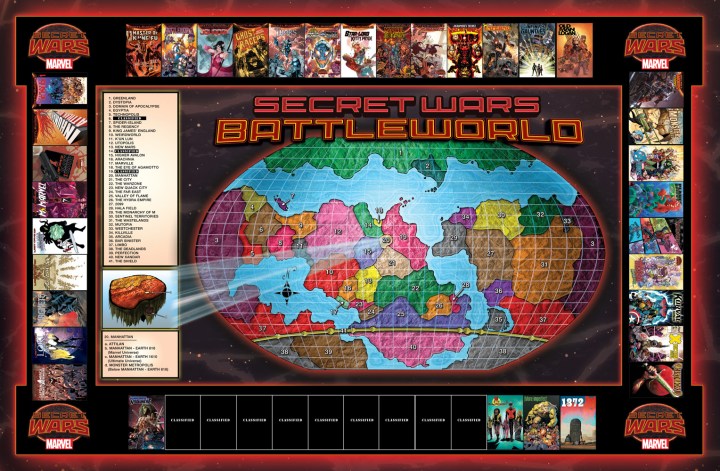
BATTLEBOARD

Actually, all of the post-Secret War/Battleworld comics look to be an excuse to revisit everyone’s favorite character or event from Marvel’s storied history. This nostalgia trip won’t last for long, with a finale that will “be the end of the Marvel Universe as we know it!”

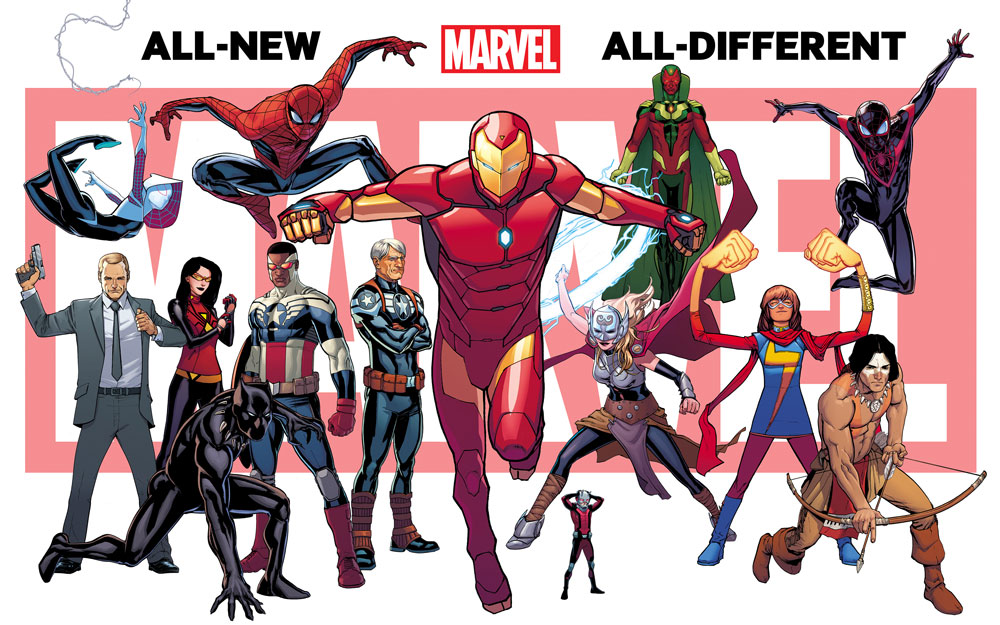
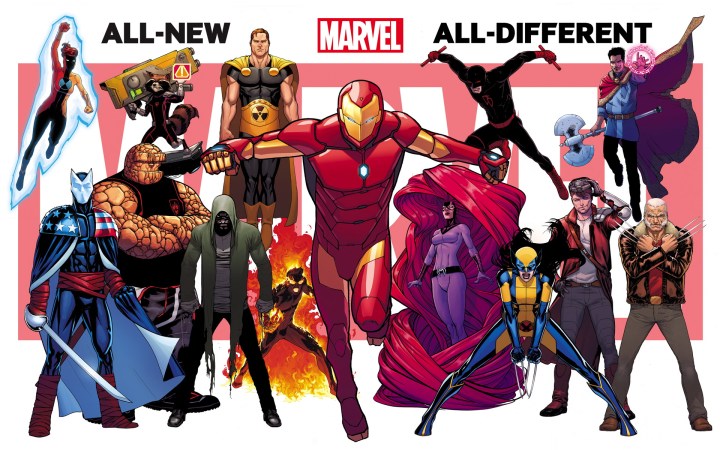
Just recently, Marvel has already given us sneak peeks at characters appearing in this “All-New, All-Different” universe.  Here’s a look:
ANADMarvel2_June5

Who knows how long either of these nascent realities will last? In recent history, world-shattering moments seem to happen every other issue.

But, hey, it’s comic books.

My concern is not a glut of mega-crossover mini-series, but rather the stampede of super-heroes – namely different versions of the same ones. Take a gander at another Marvel “All-New, All-Different” lineup:

ANADMarvel1_sm

I count two Spider-Men, two Spider-Women (one is “Spider-Gwen”), and two Captain Americas (one is old Steve Rogers, the other the old Falcon). Look back at the first Marvel promo and find two Wolverines (one female, the other old Logan).

Duplicating heroes is one way to increase diversity. But it can sometimes dilute the specialness of super-heroes. I’m not just talking about spreading thin unique super-powers, but also decreasing high-stakes adventures. If a certain hero is facing life-and-death odds, it’s no big deal, since a copycat can fill any vacancy. And if your world blows up, just hop over to the next universe.

Right, DC?

convergencewrap2

Okay.  Rant over.

All-New, All-Different Rant.

Let’s talk about teaching and blow up some more multiplicity problems. “Multiple Intelligences,” to be precise.

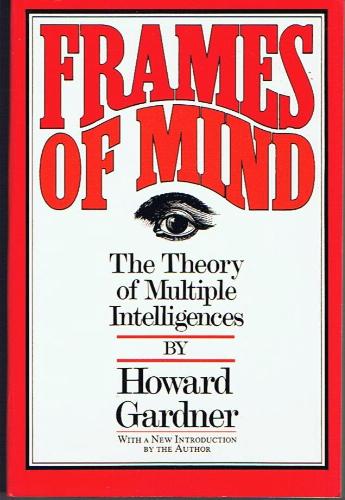
Multiple intelligences is perhaps the most touted idea in education today. But in case you haven’t heard of it, here’s a recap:

frames of mind

Back in 1983 (one year before Marvel’s first “Secret Wars”), Harvard professor Howard Gardner argued that a general intelligence (“IQ”) measure is insufficient, and proposed seven different “intelligences” one could possess.

MI pie smart

Most people have strengths and weaknesses around this pie, and are more comfortable in some categories (or combos) than in others.

Of course everyone has different strengths. They’re called talents. Skills. Natural abilities. Preferences. Interests. Comfort zones.

But Gardner labeled these categories “intelligences” and this notion took off like honey nut hotcakes. In fact, Gardner has admitted that his ideas wouldn’t have gotten so popular had he just called them “multiple talents.”

So what’s the problem?

Many educators – many with the best of intentions – latch onto “multiple intelligences” thinking they have to cater to everyone’s needs. Taken to the extreme, each topic to be learned requires eight different lessons or activities. That way you cover all the bases.

Another term that overlaps with multiple intelligences is “learning styles.” Educators frequently pigeonhole different students according to a specific strength or preference – visual, auditory, kinesthetic. Worse, students may self-label or assume the identity they’ve been assigned, with the notion that they are stuck in one role with no opportunity to grow or change.

To his credit, Howard Gardner has explained how his ideas of multiple intelligences are NOT the same as learning styles. This is helpful, as comprehensive learning relies on much more than just “style.” Moreover, research has found little evidence that matching teaching to a specific learning preference produces higher understanding. Unfortunately, such clarification is lost among the bulk of educational professionals and publications.

Mixed up reliance on “MI” and “learning styles” enables teachers, parents, and students who want excuses for an underwhelming performance. If Billy flunks his spelling test, that’s okay. Maybe he’s just a “kinesthetic” learner. Maybe he can form letters with his arms and legs. Or if Suzie struggles in math, just have her sing out her calculations. She does so well in choir, after all. She must be “music smart.”

Here’s another problem:  Some of these “intelligences” are more practical in everyday life than others. No matter how much you plead, no one will sing the ballot to you the next election day.  You have to read to vote. The next time you get pulled over for texting while driving, try explaining to the officer that you have interpersonal intelligence. See how far that gets you.

I’m not saying we should dismiss any student who doesn’t excel at a particular subject or skill. Celebrate their strengths. Find ways for them to use and share that talent. But don’t compromise content learning. And help people shore up their weaknesses.

By the way, for those who counted the Multiple Intelligences in that pie graphic up there (all you logical-mathematical studs), there are actually EIGHT intelligences. Gardner added “naturalistic intelligence” a few years later. And then there’s also “existential intelligence.” It’s all getting a little ridiculous, to the point where The Onion featured a parody article revealing the trials of students with “nasal intelligence.”

nasal learner

A nasal learner struggles with an odorless textbook.

So what should teachers do?

Dr. Gardner suggests three actions: 1. Individualize your teaching; 2. Plurarlize your teaching; and 3. Drop the term “styles.”  (Easy for him to say.)

If you want more concrete ideas, here are some quotes from reviews of the research:

From The Chronicle: “Teachers should worry about matching their instruction to the content they are teaching. Some concepts are best taught through hands-on work, some are best taught through lectures, and some are best taught through group discussions” (Glenn, 2009).

From the NSTA: “Using appropriate representations that carefully consider how to best convey the content is important. In addition, we need to scaffold between concrete and more abstract representations, being sensitive to the abilities of our students to handle abstractions. Finally, when students struggle to understand, we need to look at both the nature of the content as well as the prior experiences of our students” (Olson, 2006). 

This is a good start to wise planning and teaching. Click on the hyperlinked articles above for more in-depth reading and reflection.

Multiple intelligences – like multiple superheroes – can have some merit in the right context. But both can explode out of control and become gimmicky. Be wary of too much reliance and redundancy, resulting in loss of impact.

multiple supermen

Heroic Integration

Standard

It’s been a while since our last blog post and we have all kinds of critically important issues to talk about, starting with . . . OH YEAH!  AVENGERS: AGE OF ULTRON super-duper blockbuster opens THIS WEEKEND!  

ageofultron

The latest greatest superhero movie can provide a useful springboard for exploring the dangers of relying too much on technology (e.g. resulting in an evil sentient robot that tries to kill all humankind). Forget a vengeful Ultron or iPad; beware of students plugged in but tuned out to meaningful learning.

We’ll table that discussion for another time, however, given recent chatter about another famous Marvel character who may possibly join Earth’s Mightiest Heroes on the big screen:  Spider-Man.

avengersassembled-the-future-of-the-avengers-marvel-s-plans-robert-downey-jr-spider-man

Thanks to Photoshop, we already have a poster!

Like Captain America and company, Spider-Man is a mainstay Marvel Comics character. But up until now, everyone’s favorite web-slinger has appeared in his separate series of movies due to film rights owned by Sony Pictures.

spidey and avengers panel

Confused? Don’t worry, because bigwig producers have signed important papers and the stars have aligned and now Spidey can swing along with the Avengers in the official “Marvel Cinematic Universe,” or MCU.

Fan reaction has been understandably joyous, given the potential team-up between Marvel’s flagship hero and Marvel’s flagship hero team. Heck, the good folks at IGN have already imagined what Age of Ultron would look like with Spider-Man in the mix.  Take a look at their trailer here, if you’re curious.

Enthusiasm has erupted for integrating even more heroes in the movies. Speculation abounds if Marvel’s other movie heroes – the X-Men, the Fantastic Four – could ever merge into the MCU.  Even Wolverine’s Hugh Jackman wants to join in the mix.

00c

Coming to a movie theater near you?

Such integration of superheroes (a.k.a. worlds colliding) may appear as a bounty of riches; but there could be a downside.

Ever heard of too much of a good thing?

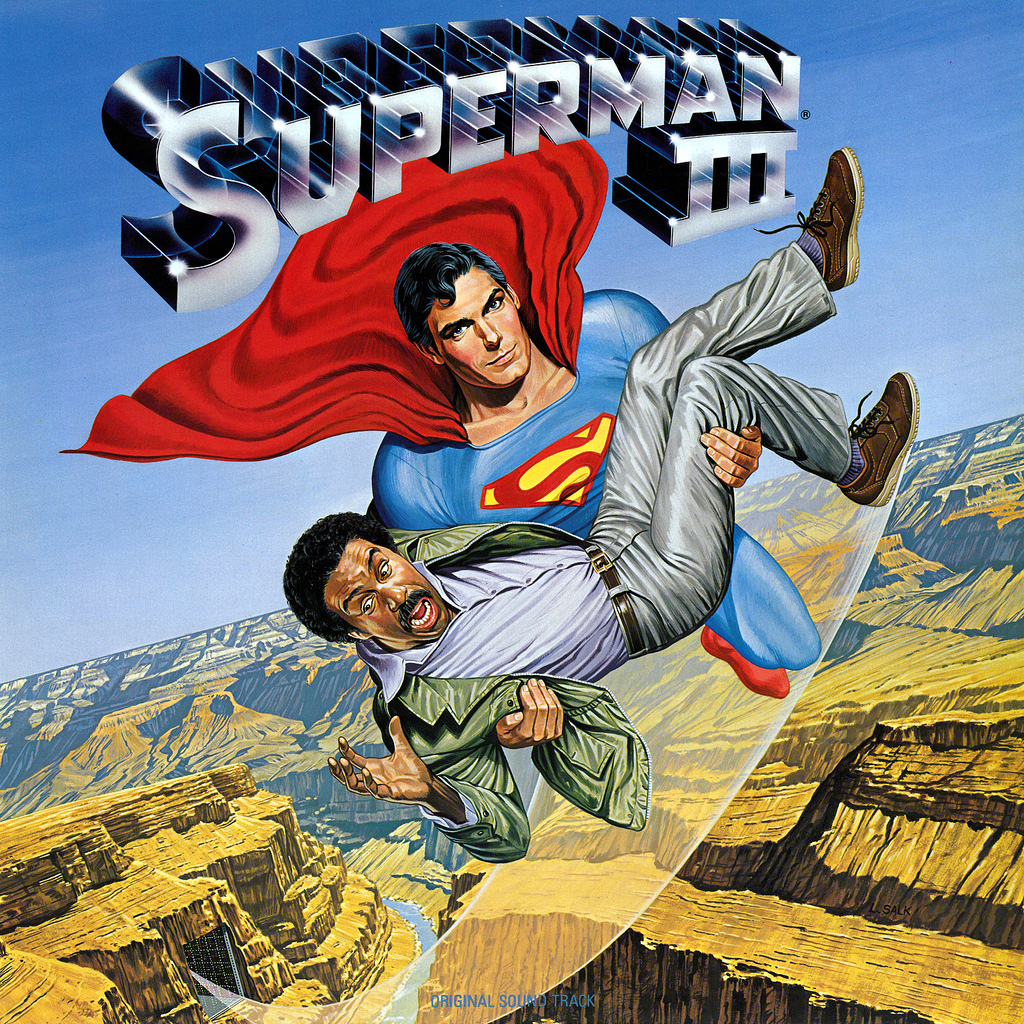
A common feature of disappointing superhero movies is a glut of characters in the script. Spider-Man 3 had Sandman and Venom and the Green Goblins clogging the villain faucet. Batman & Robin was actually Batman and Robin and Batgirl and Poison Ivy and Bane and Mr. Freeze. Superman III had Richard Pryor.
Superman3

Proving that “Two’s a Crowd.”

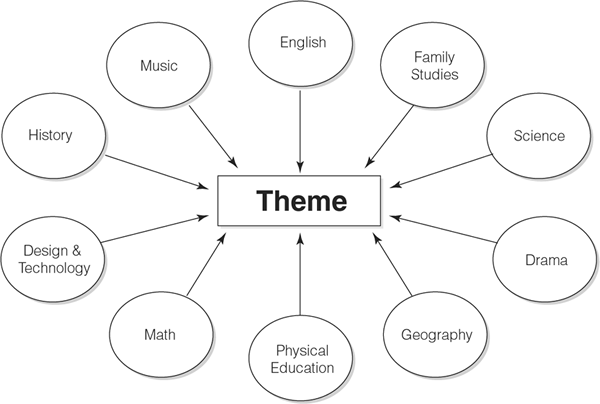
Curriculum Integration in schools is another appealing mash-up that may have a hidden downside or two.

Curriculum Integration image

Basically, integrating curriculum is what teachers do when they teach lessons combining two or more major subjects or disciplines. Examples are as obvious as teaching algebra and graphing with a science experiment, and as unique as an instructor’s imagination. I know of a middle school that features a building-wide interdisciplinary unit all about the Greek Olympics. Every class studies some aspect of the ancient athletes – math, history, language arts, visual arts, science, P.E., and more.

Olympic_Rings

Sounds neat, right? And perhaps a little daunting to pull off, given the coordination of teachers, resources, and activities. But that’s just a challenge, not the downside. The upside is collaborative educators and students energized by explicit and relevant connections among various scholarly endeavors (subjects).

The danger of curriculum integration in classrooms is similar to those in superhero movies. Cramming in too much can end up in confusion and misconceptions. Content may be watered down, spread thin, or lost in the shuffle.

Take a minute to look at this article, “A Caveat: Curriculum Integration Isn’t Always a Good Idea,” by Jere Brophy and Janet Alleman for a more robust examination of this strategy. Better yet, print it out and read it while you wait in line for your Avengers movie tickets. Or download it on your portable digital device.

Technology can be great. So can curriculum integration. Just be careful.

Flex Plan

Standard

Where will you be in five years?

If you like superheroes, a good bet is you’ll be sitting in a theater watching the latest Marvel or DC movie.  And chances are you’ll have seen multiple superhero movies between now and then.

A recent Warner Bros. shareholder meeting featured the announcement of several tentpole movie projects into the year 2020.  This list includes TEN films starring DC Comics superheroes (and antiheroes).

upcoming-dc-films1

Not to be outdone, Marvel Studios held a special shindig where they announced NINE movies set in their “Marvel Cinematic Universe,” involving the Avengers, Guardians of the Galaxy, Black Panther, Dr. Strange, and more.

Avengers-Infinity-War-logo

“Infinity” sounds about right.

If you add in movies based on other Marvel Comics heroes (X-Men, Spider-Man, Fantastic Four, etc.), that makes OVER 40 FILMS currently planned for Marvel or DC comic book characters.

And that’s not even counting additional comic book and superhero projects.  So we’re headed either into the Double Platinum Age of Comic Book Movies or Major Market Saturation.

Of course, many of these projects may get derailed or delayed along the way.  (Don’t hold your breath for “Unannounced Female Character Spider-Man Movie” in 2017.)

Plans change, and no one knows that better than teachers.

Adventures with Scope & Sequence

Those of us in the field of education know about something called “Scope and Sequence.”  Not only does “Scope and Sequence” sound like a terrific crime-fighting duo, S&S is a general phrase given to long-term planning in the school year.

Here is an example Scope and Sequence from an elementary art teacher, courtesy of the smARTteacher website.

Art ScopeSequence BIG

I think of scope as the overall main ideas and concepts students should learn in a class, and sequence is the general order in which they could learn, connect, and practice these main ideas.

Notice the language used here:  “overall”  “general”  “could.”

It’s important to remember that long-term planning should be flexible, like the Ever-Elastic Mr. Fantastic! 

mr fan in action

Sometimes adjusting to curriculum guides can feel like deflecting bullets.

All kinds of variables arise during a school year that require adjustment and revisions:  prior knowledge, curriculum mandates, assessment schedules, special events, weather cancellations, and–MOST IMPORTANTLY–student learning.

Districts often have a Pacing Guide that indicates the key content, units, and even activities teachers should use in their specific courses.  Here are some pacing guides for science teachers in Mobile County Public Schools (AL), if you’re curious.

The key word here is “guide.”  Classroom teachers know their students best, and therefore the best methods and schedules for helping students learn.

To coin a scientific-sounding mantra:  Student learning should be the constant, with time as the dependent variable.

If students require more time to master a topic, give them more time.  Don’t plow through a chapter just because you think you need to stay “on track” to finish a certain textbook.  (Who said you had to finish the textbook in the first place?)  Conversely, don’t slog through something the kids already know or don’t need to know.

A Super Biology Teacher

I met a science teacher who was just one of six teachers who taught Biology 1 in his school building.   The basic requirement was all Biology 1 teachers had to get through Chapter 10 by the end of December.  The reason was students could switch teachers at the semester break, so everyone needed to be at “the same spot” beginning in January.

Sounds logical, but not every teacher (or student) will work at the same rate or want to focus on the same content.  Some concepts and skills are more important than others.  So what do you do if you don’t agree with a prescribed schedule?

I love what this science teacher did.  He made sure he was done with Chapter 10 by the end of December, but he shuffled chapters to create the most meaningful sequence for his students.  Moreover, this teacher spent more time on some chapters and less time on others that weren’t as necessary for learning fundamental biology concepts.

Sound out of order?  That’s nothing new to readers of comic books, where odd numbering systems abound (see multiple #1 issues, #0 issues, #-1 issues, backwards releases, flipped issues, etc.).  Heck, there’s even a blog totally committed to the convoluted topic of Comic Book Numbering.

The bottom line in comic books is finding strategies and gimmicks to sell the most issues.  The bottom line for teaching is arranging lessons and units to encourage the most learning.

So whether you’re talking about billion-dollar film franchises or the infinite potential of today’s students, do take time to plan ahead.  But always keep your plans open to change.

And always leave the door open for a dynamite sequel.

superman2

What is Success?

Standard

Image

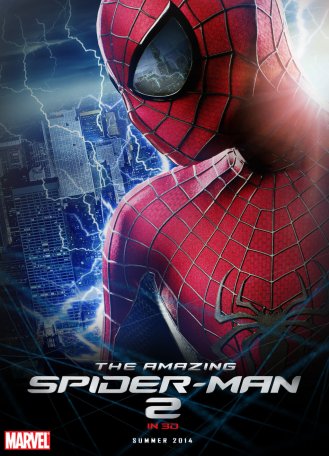
It’s not even mid-May and we’ve already got two superhero movies out in theaters, with more to come.  While Captain America: The Winter Soldier made record-breaking April box office numbers, The Amazing Spider-Man 2 recently opened and also topped the $90 million mark for its weekend debut.  Not too shabby.

Or is it?

Such an astronomical income may look, well, amazing.  But some entertainment pundits are asking, “Is it a success?

Such a question is not so strange when comparing ticket sales among similar movies, including prequels and sequels.  Another item to consider is how much money it takes to make the movie (salaries, special effects, marketing, insurance, craft services, etc.).  Making 90 million bucks over a single weekend may not seem so spectacular when it reportedly cost triple that amount to make the film.

All this talk about multimillions may have you thinking about teacher paychecks, but that’s not the real purpose of this post.

Actually, the big question “What is success?” should be asked frequently in our schools and classrooms.


Report Card Time

Recent results from the National Assessment of Educational Progress (NAEP)–also known as “the nation’s report card“–show that American students haven’t really increased their success rate in the past five years.  We’ve talked previously about how it’s important for teachers to closely review assessment data and speak out when and where they can (shameless plug).  But it’s also important to examine results and consider what is success.

The NAEP report finds that for U.S. high school seniors, less than 40% are proficient (or higher) in reading, and only one fourth (26%) are proficient or better in math.  Results also indicate that gaps in achievement among races/minorities are as wide as ever.

Ouch.  That doesn’t sound like success to me.

So many factors contribute to assessment results, more than we have time or space (or attention span) to discuss here.  But it is important to stop and determine our definition of success in schools.


Image

First off, it’s essential we not equate 100% with success.  Major League Baseball players are potential All-Stars if they get a hit one out of every three times at bats.  Babe Ruth’s career batting average was .342.  On the current list of active MLB players, the batting average leader is some guy named Joe Mauer, sitting at .322 (my apologies, Minnesota Twins fans).

I remember band directors telling us that we had to hit 100% of our musical notes during every performance, comparing our task with those slacker multimillionaires in ball caps.  Full disclosure: I never played every note perfectly during every concert.  Didn’t stop the audience from clapping.  And it didn’t stop me from playing.

Winning Percentages

Even Spider-Man himself didn’t win every comic book battle.  (It’d be boring if he did, wouldn’t it?)  According to Marvel’s own statistics, the webbed hero was victorious less than 60% of the time, just below villain Nightmare (59.4%) and above Iron Man (57.8%).  Check out the interactive and informative (and awesome) “Battle Breakdown” of Marvel Comics characters, courtesy of Wired magazine and author/designer Tim Leong.

(You should also check out Tim Leong’s website and Tumblr, along with his award-winning book Super Graphic: A Visual Guide to the Comic Book Universe, for some super-nifty graphical analyses of superhero stats.  Here’s a sample, this one a breakdown of primary colors among hero costumes:

ff_supergraphics_goodevil_2f primary colors  )


Interestingly, anti-hero The Punisher (as in “The Ohio State University”) has the highest winning percentage (86.9%, and only 2 ties) above all the other Marvel heroes.  This roster includes Captain America, Mr. Fantastic, the Hulk, Thor, Wolverine, and Daredevil.

Image

Winning Tip #1: Bring a bazooka to a gun fight.

Still, I think I’d rather be rescued by many other heroes before seeking The Punisher’s help.  It’s “Punisher” with a capital P, after all.  In his quest for vigilante justice, Frank Castle puts a permanent end to bad guys (i.e. dead), as opposed to more noble champions who abide to a higher moral code.  As teachers, we know that a little bit of mercy can go a long way.

Maybe winning isn’t everything.  Maybe success depends on context.

In baseball, 33% hitting is great.  In music, you aim for 100% (unless it’s jazz).  In civil engineering, I hope it’s also close to 100%.  I don’t want a bridge built by someone who earned an 80% in geometry.

So what is success in education?

According to the No Child Left Behind Act of 2001, the goal was for EVERY child to perform at grade level in reading and math by the year 2014.

Have we reached that level yet?  We only have half a year to go!

In one of my graduate classes, our instructor (a high school principal whose last name was Mann, so he was literally “Principal Mann!”) once told us the following with respect to student achievement:  “You can feed a donkey the best oats, give it the best trainer and exercise regimen, and hire the best jockey.  But when you race that animal in the Kentucky Derby, it’s still a donkey.”

Not every kid will be a straight-A student.  If they were, what’s so special about straight-As?  Success is different for each individual.

I remember sitting in one of my undergraduate science classes (astrophysics), and another professor had just posted grade results outside in the hall.  A mob of students clumped in front of the list, eager to learn the results.  Among the mumble and grumble, one jovial dude thunder clapped his hands and cheered, “D-plus!!!”


Success is relative, maybe.

But that doesn’t mean we can’t push each other (and ourselves) to get better.

Hopefully, you aren’t aiming for the plus side of below average.  Hopefully, you aren’t hoping for 80%.  I want all of my students to perform at a 100% level.  I know that probably won’t happen.  But it doesn’t mean I won’t try for it.

Another mentor of mine–Dr. Clough (rhymes with rough ‘n’ tough!)–used to say, “Aim for perfection, and you will reach excellence.”  

Is that optimism?  Or realism?  Optirealism?

Let’s put aside our pessimism that some kids will just “never get it” and focus instead on what they can do.  The results may amaze you.

I’m optimistic that another Amazing Spider-Man sequel will show up in the coming years.  I’m optirealistic that it’ll be good.


High Flying Falcon

Standard

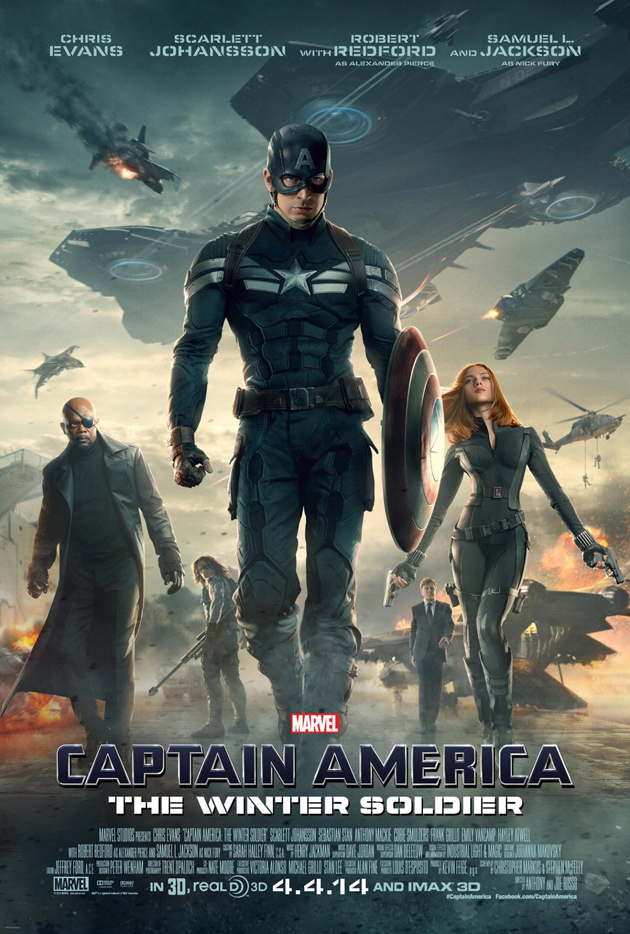
captain-america-2-poster-us-full

So Captain America: The Winter Solider celebrated a record-breaking $96.2 million opening for the month of April.  (Haven’t seen it, so don’t spoil it for me!)

But what I have seen is co-star Anthony Mackie (a.k.a. The Falcon a.k.a. A Younger Will Smith) making his memorable appearance on The Tonight Show with Jimmy Fallon a few days ago.

TheFalcon marvel-falcon_large

All teachers should see this clip, too, and take away some of the actor’s enthusiasm.

Watch Anthony Mackie egg on Bill O’Reilly at the 1:00-minute mark, and then look for the main event around 3:25, in which the actor explodes with energetic commentary of his own movie clip.

http://www.youtube.com/watch?v=s9IpyoDcfyY

Try something like this the next time you show a video in your classroom.

Maybe tone it down a notch, so your students can actually hear important information.  And don’t curse.

But don’t lose that sky-high excitement!

(Sorry. Couldn’t resist.)

Iconic Images

Standard


A nifty cool comic book blog everyone should check out is “Comics Should Be Good” via the Comic Book Resources website.


Every once in a while, the folks at CSBG post a new entry in their “Top Five Most Iconic Covers” collection, in which they list the five most iconic covers of a particular superhero (or villain).  Neat stuff!


CSBG’s latest hero getting Iconic Covers treatment is Captain America, probably because of the upcoming release of a little film called Captain America: The Winter Soldier (coming to a theater near YOU on April 4th, 2014!).


If you’re curious, here are the top five iconic Captain America comic book covers, according to Comics Should Be Good.


If you’re doubly curious, here are MY top five covers of the StarSpangled Avenger, in chronological order:

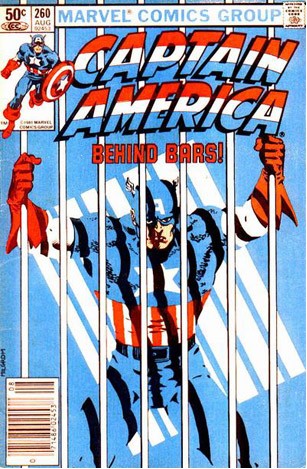
Captain America, Vol. 1, #260; cover by Al Milgrom; August 1981

Image


Captain America, Vol. 1, #332; cover by Mike Zeck and Klaus Janson; August 1987

 Image

These first two images may be downers, but they’re still iconic.

How about more heroic images?  Okay.

Captain America, Vol. 1, #450; cover by Ron Garney; April 1996

Image

Captain America, Vol. 4, #1; cover by John Cassaday; June 2002

Image


Captain America, Vol. 5, #1; cover by Steve Epting; January 2005

Image

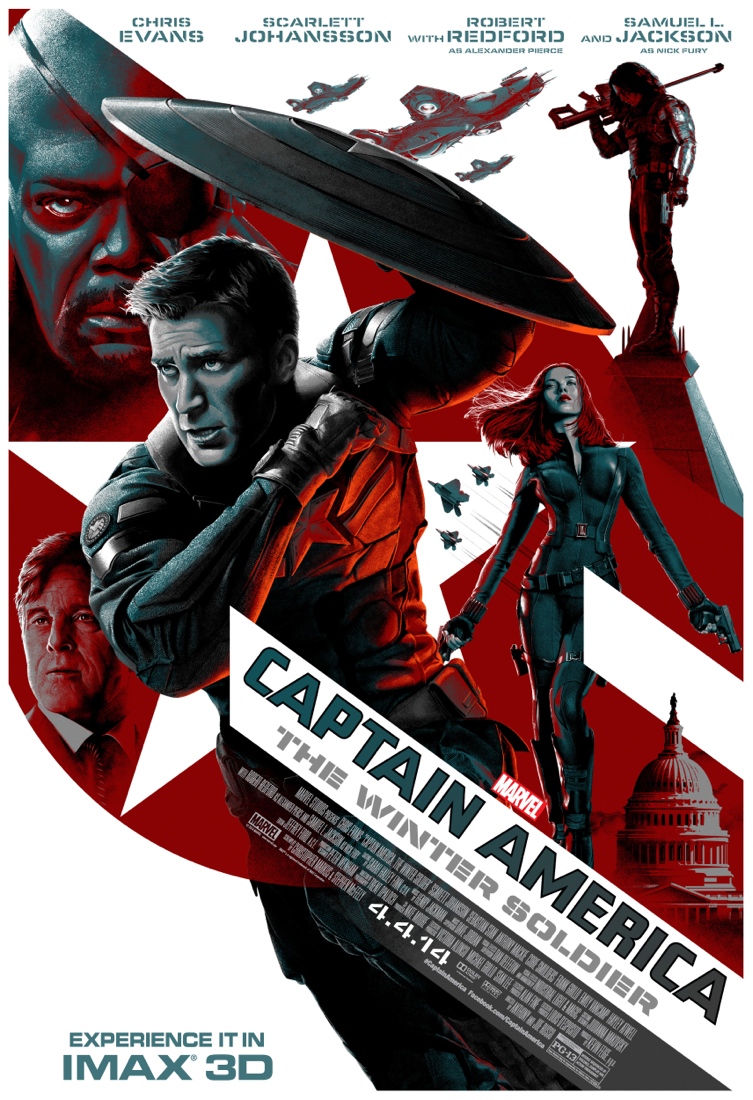
This last cover by Steve Epting encapsulates the recent multi-year run by writer Ed Brubaker, with its Jack Ryan/Jason Bourne super-spy vibe, which the new movie seems to be following. Have you seen the latest posters?

Here’s a sample, and since the poster is celebrating the IMAX release, it’s HUGE:

Image


We could talk all day about iconic movie posters, but not this day.


Let’s talk about teaching.  Namely, what is your iconic image of a teacher? 


I’ve done some research* into popular teacher portrayals in the Google Images search engine.  Since my background is in science (yes, I’m that much of a geek), I did a specific analysis of science teachers.

Here’s a sampling of what I found:

Image  Image  Image


That’s right.  According to Google, science teachers are white dudes with bad hair, poor eyesight, and lame taste in fashion–until hipsters start wearing lab coats, but then that would just be ironic fashion, not iconic.


Putting aside any ethnographic analysis of cultural imagery and stereotypical classroom depictions, here are the questions I want to ask:


What is your iconic teacher image?  What is your “look?”


Are you this kind of teacher?

Image


Or maybe this one?

Image


Or something else?

Image


I hope you’re not this last one.


Images often depend on one’s perspective, as revealed by this stunning photo collection of famous landmarks.


Consider how your students perceive you. What is your “iconic image” in their eyes?


One terrific way to gain perspective is video recording your teaching.  Recording technology is nearly ubiquitous these days, so use your favorite gadget.


No one needs to watch your recording except you. That alleviates any concerns about privacy, and more importantly, you can take an honest look at yourself.  If you don’t have time to record or review an entire class period, just focus on five minutes of a lesson. I guarantee you’ll learn something about your teaching and your students, giving you ideas for enhancing instruction.


Make it habit to record and watch yourself from time to time.  It’s one of the best ways you can get better.


Who knows?  Maybe your teaching will even reach “iconic status” (in a good way).


*Bergman, D.J. (2013). The portrayal of science teachers found in Google Images and implications  for science teacher education. Paper presentation at the International Meeting of the Association for Science Teacher Education. Charleston, SC: January 9-12.

Teaser Teachers

Standard

One of my Super Bowl highlights is the glut of new movie trailers during the commercials.  Never mind that the 20 seconds or so may or may not actually wind up in the actual film.

Nowadays, most of these trailers go straight to the internet before the Super Bowl.  And now we don’t just have trailers, but also teasers, which are basically trailers for the trailers.

Here are a couple of teasers and/or trailers that caught my eye this year.  (Don’t blink.)

http://www.youtube.com/watch?v=MSzAfgULwUE

Cool, huh?  Even a few seconds can get the adrenaline pumping.

So how about us teachers?  How can we take some Hollywood magic and use it to “tease” our students?

A common practice is the use of bell work (or bell ringer), which helps with classroom management and should engage students in thinking.  Many teachers use bell work to review something from a past lesson or preview something  for the immediate next lesson.

Bell work helps create a useful routine in which students start the class (not the bell or the teacher) and the teacher can use these few minutes for taking attendance, addressing specific students’ needs, or other important tasks.

There are several resources out there for using “puzzlers” or trivia for bell work.  These are good in a pinch, and some can even foster meaningful discussions about students’ personal views and experiences.  Here is a variety of bell ringers from Kentucky (home state of mutant siblings Sam Guthrie a.k.a. Cannonball and Paige Guthrie a.k.a. Husk).

cannonball_and_husk_color_by_graconius-d5p11rs

Thanks, Kentucky and Graconius.  We owe ya both.

This is a start, and such resources are good for some days.  But let’s go beyond student/time management and really get students excited (or at least interested).

What sort of question or prompt can you pose on a given day that will not only get the students to work, but get them to think more deeply about the content you want them to learn?  How can you “tease” them?

Here are a few paired examples.  One bland, one better.  Reflect on these ideas to create or modify your own bell work prompts for upcoming classes.

BLAND: Please open your book to page 16.

BETTER: Please open your book to page 16.  Examine the two photos and write down as many similarities you can find.

BLAND: Please get out yesterday’s homework.

BETTER: Please review your homework with a neighbor and discuss any discrepancies in your answers.  Who is correct?  How do you know?

BLAND: Please copy the vocabulary words on the board.

BETTER: Pick out your favorite vocabulary word and draw a picture related to that term.  Share your sketch with a partner and see if they can guess the word.

See?  Not that hard to take a basic task and make it better (i.e. increase the students’ interest).

In addition to bell work at the start of class, teachers should tease their students at the end of class.

End-of-class activities often focus on a “wrap-up” or recap in which the class reviews what they learned that day.  If you do such activities, be sure to have the students tell YOU what they’ve learned, instead of you just telling them what they should have learned.

Strategies such as the Exit Slip or Ticket-out-the-Door provide other opportunities for students to share what they have (or have not) learned.  Teachers can prompt students to apply the content to a new situation.

Don’t make it a simple task.  Tease the students with a challenge or question that gets them wondering and thinking between the end of class and the next time they return to you.  It’s okay to leave students in suspense sometimes!

So here’s a challenge:

What’s your best “end of day” or “start of day” strategy?  Post a comment and share below!