Second ______ Slump?

Standard

Happy Fall! (Astronomically speaking.)

Academically speaking, we already celebrated “Back to School” season (“Happy New Year!”) and are in the thick of things.

Soooooo. How are things going?

Educators frequently focus on the “First Days of School,” and rightfully so. The first days (or week) are when teachers (and students) establish expectations and routines about classroom environment and relationships.

These early days are so important that Harry and Rosemary Wong’s popular teaching book is the highest selling publication in the educational field. (4.5+ million copies? Not too shabby!)

Time marches on, however, and so does the school year. Eventually, teachers and students will encounter a “slump,” sensing a lack of motivation, focus, energy, and more. This often happens in mid-winter, but could be earlier in the semester–even right now!

Teacher slumps occurring later in the year are often referred to as “the doldrums,” marked by fatigue and listlessness. There’s actually meteorological meaning behind this sailing term, which you can learn more about here. Ahoy! ScienceI


Slumps that occur earlier relate to inertia–another scientific term! How can we build and maintain momentum once the “back-to-school” excitement dims? Like any new endeavor, a new school year can start with high hopes, only to face an “implementation dip” when reality sets in.

Michael Fullan is a “change expert” and has published a lot of neat research and resources on the subject. Here are a few images he shares to illustrate one’s experience with change over time. First, a simple picture . . .

Or a more complex version from an additional study:
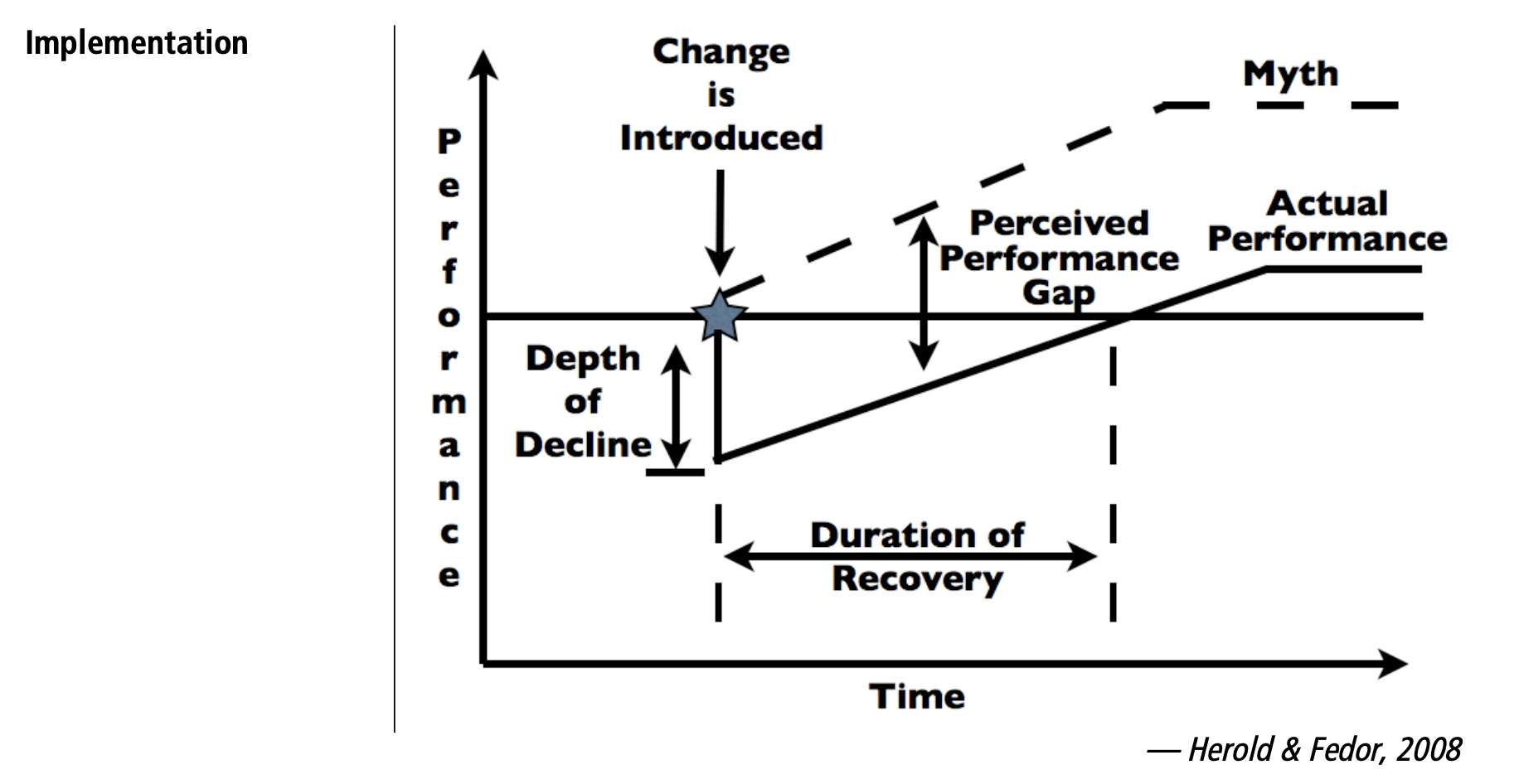
Whether simple or complex, the same pattern takes shape. The good news is things can improve with effort over time. Don’t rely on quick fixes or overnight success. Persistence pays off.

Recently, superhero movies have found immense financial success in their first weekend, only to lose steam in subsequent weeks. Even a film opening with over $100 million in ticket sales can “flop” if it fails to sustain enthusiasm.

This trend is growing to the point that The Hollywood Reporter has declared, “The Second Weekend Is the New Opening Weekend.” Business-wise, a winning formula is a big beginning PLUS ongoing interest. Positive buzz from critics and viewers will garner more attention, growing new and repeat audiences.

It’s not that different from teaching. Effective lessons start with an engaging “hook” and continue with motivating activities that encourage further learning, discussion, and wonder.

Ideally, this should happen each and every day. But it doesn’t. And that’s understandable.

It’s hard to maintain excitement when things get tough, busy, and repetitive. It may even feel like you’re trapped in a Time Stone loop from Doctor Strange!

This sensation is true for teachers as well as students. The seasonal slump is not a matter of “if” but “when.” Be ready.

Whenever you feel yourself slumping, consider how to regain ground and recharge your batteries. Below are a few resources:

  • Creative English Teacher challenges teachers to remember their motivation and inspiration – which are NOT the same thing.
  • The Teaching Channel has 6.5(!) tips that address teacher self-care, tangible actions ranging from lighting to baking.
  • MiddleWeb features a blog with more strategies to battle a “stagnant classroom.” These are helpful since they serve both teachers AND students. Like other lists, common elements are enjoying humor, getting active, and trying something new.

You can find more ideas elsewhere, but hopefully this is a start!

Don’t wait for mid-winter.

Get going NOW!

Bizarro Blues

Standard

The newest Superman movie mere days away!

Over the years on this blog, we’ve talked many times about connections between the Man of Steel and Teachers of Schoolsecret hideouts, weird superpowers, extreme makeovers, teaching with hope, and more.

Let’s take a look at one more element of Superman lore and its educational applications – Kryptonite.

Most casual fans know that Kryptonite is the radioactive green mineral that can weaken or even kill Kryptonians like Superman. What you may not know is that there are ALL kinds of Kryptonite colors – each one with its own side effects.

My personal favorite is Periwinkle Kryptonite, which you can learn more about HERE.

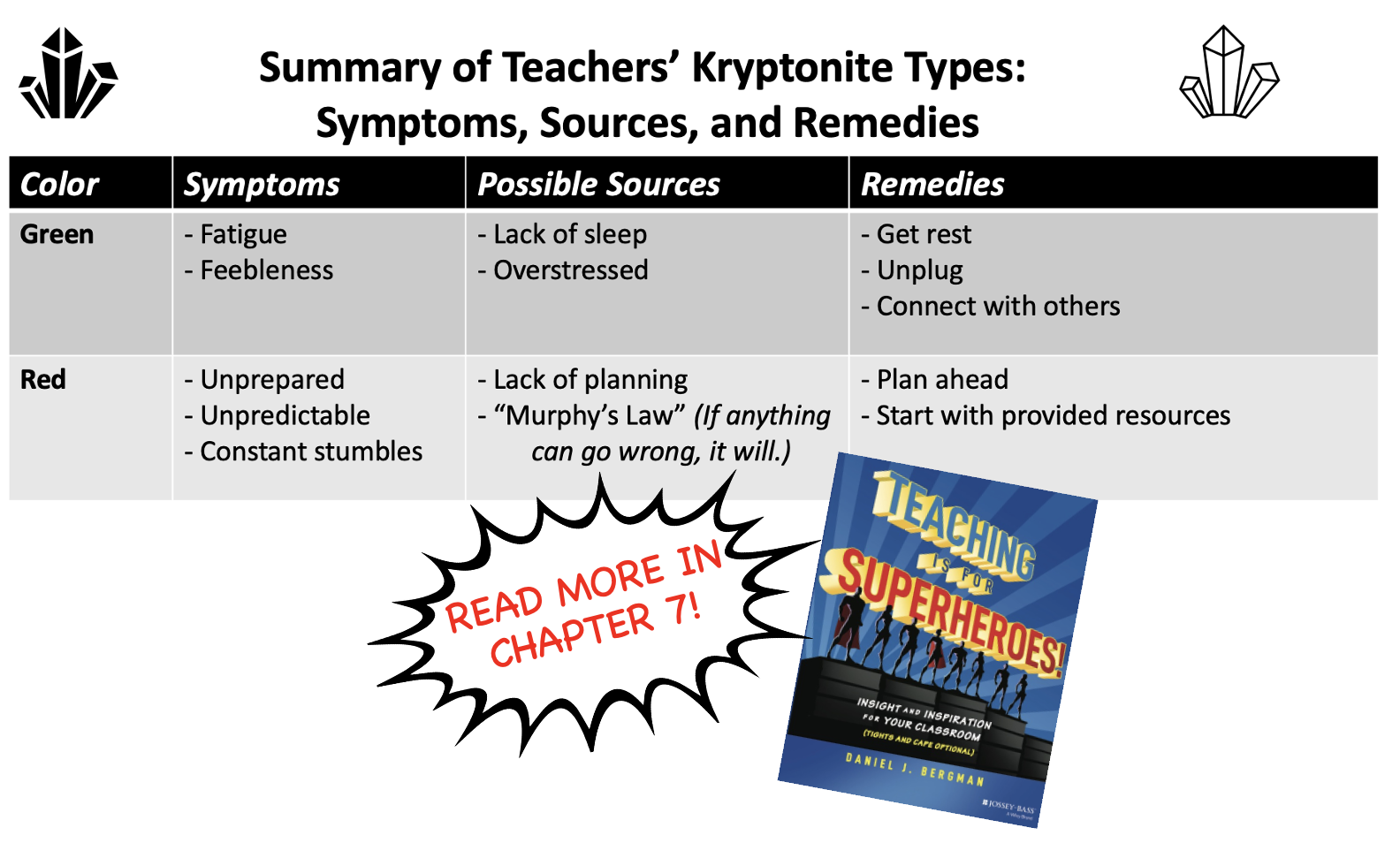
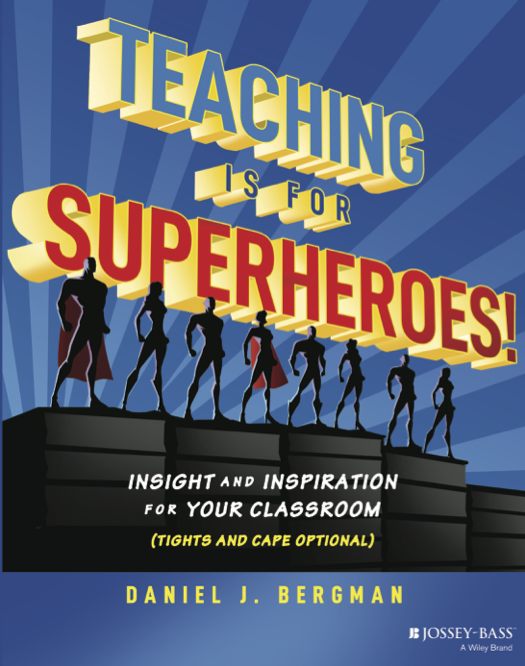
In my book, Teaching Is for Superheroes!, I devote an entire chapter to assorted Kryptonite colors and parallel vulnerabilities experienced by teachers (e.g. green = fatigue, red = unpredictability, white = lack of growth, etc.). Here’s a sneak peek:

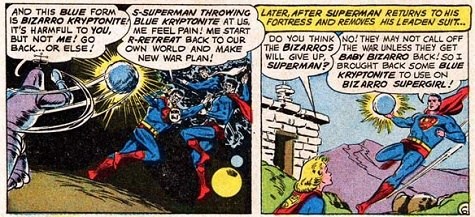
One color NOT covered in my book is Blue Kryptonite. This type is harmless to Superman, but is dangerous and lethal to his distorted doppelganger, Bizarro.

How does Blue Kryptonite apply to teachers? Each educator has their own strengths and weaknesses, personalities and professional expertise. It stands to reason, then, that we each may be vulnerable under different contexts and conditions.

Think of it this way: What’s an issue you consider no big deal, but is an incredible struggle for a colleague? When others want to rip out their hair, you simply shrug your shoulders.

This could be anything during a given school day or year. There are “big” things like curriculum choices, assessment plans, or management models. Or it might be something “small” like a fire drill, a jammed copier machine, or empty coffee pot*.

*If you’re not a coffee drinker, who cares? But watch out for Shannon, who gulps down three Ventis before lunch.

Courtesy of KamranAydinov via Freepik

Many challenges become less of an issue as you gain experience and skills. Regardless, a seemingly “minor” item may be VERY “major” to a particular person.

Vulnerabilities often appear alongside our strengths. Teachers with meticulous lessons might struggle when plans change. Others who “wing it” day-to-day could falter when they must prepare for a substitute teacher or formal observation. Someone who’s a wiz with Apple technology could feel useless with a Chromebook, and vice versa.

Here’s the beauty of Blue Kryptonite: Those unaffected can help others who struggle. And we should ALL stay humble, knowing every one of us has our personal pitfalls.

Don’t view someone as “bizarre” for their unique liabilities. Instead, look for ways to support them and learn as a community of imperfect individuals.

This applies to our teaching colleagues as well as our students. Each classroom contains a colorful roster of characters-such as those in the new film! (See you at the theater!)

KISS = Keep It Simple Superman

Standard

The latest Superman film is almost here, with a slew of predictions, hype, and interviews. (Sort of like every back-to-school season, right? No? At least we get a playlist.)

One interesting super-nugget came from a recent interview with writer/director/co-producer James Gunn. The movie’s official title has changed from Superman: Legacy to just Superman.

Here is a quote from Gunn about the name change:

[I]t was called Superman: Legacy. Even though I was the one that gave it that title, I just wasn’t sure. First of all, I’m sick of the superhero title, colon, other-name thing. And then also it seemed to be looking back when we’re looking forward . . .

This is a trend in other DC film projects. Another immediate name change is to upcoming film Supergirl: Woman of Tomorrow, reducing it to Supergirl. Again, not a huge trim, but definitely simplified.

Heck, just take a look at the Superman movies over the last half-century and notice simplification to not only the titles, but the logos as well.

Maybe you’ve heard the acronym, KISS, for “Keep it simple, stupid.” Rather blunt, but I guess that’s the point. Don’t let things get too complicated or clunky to become a distraction or detriment.

In the world of education, we also see this emphasis on simplification (often from a reactionary stance). You can find calls to simplify in teacher advice, pandemic adjustments, blogs, businesses, and more.

Cognitive Overload (courtesy of jcomp via Freepiik)

Scientifically, keeping things simple helps avoid “cognitive overload,” which the American Psychological Association defines as “the situation in which the demands placed on a person by mental work (the cognitive load) are greater than the person’s mental abilities can cope with.”

You can find this definition and strategies for simplifying lessons at a helpful essay (and book excerpt) from Miriam Plotinsky and Edutopia HERE.

You can also find inspiration from the American classic Walden by Henry David Thoreau, and his famous lines published waaaaaay back in 1854:

“Our life is frittered away by detail. Simplify, simplify, simplify! I say, let your affairs be as two or three, and not a hundred or a thousand; instead of a million count half a dozen, and keep your accounts on your thumb-nail.”

Educators can apply another idea from the James Gunn interview about producing multiple superhero projects. In discussing title changes, the creator describes a process he calls “premortem,” in which he and his team preview potential problems with their show and proactively address them. If the production were to fail, they challenge themselves to consider some reasons it might. This could be anything from casting to the aforementioned title.

Teachers, we should do the same thing for our lessons. How could the lesson fail? What are some potential pitfalls–logistically or academically? Where do you need additional details? Fewer? Where can you simplify?

If it helps, use a handy checklist like this one. Or maybe your school district provides guidelines. (Word of Caution: You can find a lot of these online, and some could be simplified!)

A lesson that needs changes (courtesy of stockking via Freepik)

For all you teachers in the midst of your summer “break,” pause a moment to try two things.

First, perform a mental “premortem” on at least one of your challenging lessons or units. Where could you simplify or make other adjustments to improve student learning? (Maybe wait until your back-to-school week to really get into it. Until then, just jot down things to check as they come to mind.)

Second, in the meantime, get away and go somewhere–maybe a picturesque landscape that’s nearby–to reflect and refresh. It doesn’t have to be Walden Pond (or outer space), but wherever you can unplug and reconnect with what–and who–is important.

Take Care of Yourself*

Standard

Thunderbolts* is the newest movie in the Marvel Cinematic Universe (MCU), and it’s a good one!

So good, in fact, that it got a brand NEW title right out of the gate (spoilers ahead, of course):

Beyond the clever name change (i.e. marketing ploy), the film itself is memorable for its meaningful look at mental health. Numerous news outlets have explored this key ingredient in the film, including interviews with the film’s creators and stars (such as this article from Entertainment Weekly).

Like the superheroes (super-spies? super-thieves?) in Thunderbolts*, educators also face challenges with stress and self-care.

In one survey, teachers and principals both fared worse than other working adults in multiple mental factors. Here’s a visual summary courtesy of the folks at Education Week.

Granted, this report is from 2022 as schools were crawling out of a pandemic shadow. Still, a more recent study finds similar issues, as indicated by its title, “The Teachers are Not All Right.

In better news, things are improving with educators’ awareness and ability to find help. Another Education Week survey found that teachers are better at supporting one another in their work. Check out this nifty graphic summary:

In the linked Entertainment Weekly article above, actress Florence Pugh elaborates on the importance of collaboration and kindness:

“[T]he real message is we have to be together. We have to connect, we have to help each other. We have to be humans and actually care, and love, and look after each other. And that is the key.”

She’s talking about fictional superhero characters, but the same holds true for real teachers in real life. Amid a notoriously labeled “isolated profession,” educators must seek support from each other AND for each other.

Even so, don’t rely on colleagues to provide and receive all necessary assistance. There are numerous resources from health experts and professional organizations, some of which teachers can use with their students.

Don’t wait for a crisis or summer break. Find people and services that can help you now, and help others do the same.

*And each other.

Looking Up

Standard

Have you seen the trailer for the NEW Superman movie yet?

Keen-eyed viewers will catch all kinds of deep cuts and cameos from the comics: Krypto the Super-Dog! Mr. Terrific! Guy Gardner Green Lantern! Metamorpho!

More important, however, is the overall message of HOPE. Things in that trailer certainly appear bleak for Superman, but that’s when his true heroism shines the most. You can read more about the movie’s themes of hope and unity here.

Or just look at the film’s first official poster below:

Speaking of “Looking Up,” this topic got me looking up resources on the role of HOPE in teaching and learning. Teachers can find some fascinating studies, scholarship, and strategies, starting with these:

“The Students Keep Me Hopeful”: Teacher Hope During the COVID-19 Pandemic by Suzanne Jones, LeAnn Putney, Brett Campbell, and Max Longhurst – A 2023 study of over two hundred K-12 teachers following the pandemic. In addition to examining various obstacles and challenges, the researchers found common traits among hopeful and resilient teachers: willpower, “waypower,” agency, administrative support, and more.

“The Disposition of Hope in Teaching” by Carrie Birmingham – A pre-COVID writing from 2009, but a useful analysis of the interdependence among “motivation, orientation, and disposition” toward hope. I’m particularly fond of the section on disciplined inquiry and the role of ongoing learning: “An orientation toward disciplined inquiry supports hope by seeking new possibilities and standing against the mistaken belief that existing school practices and conditions are given and unchangeable” (p. 36)

Finally, here are two Edutopia essays chockfull of tips and tools teachers can use to help bring hope to their classrooms and students:

Both of these essays appeared during the pandemic shutdown. Still, I’d argue they are just as timely today. One time (~20 years ago), I asked a teaching colleague about the #1 thing their students needed to succeed. Her answer? HOPE.

So as you look ahead to next summer’s Superman movie, don’t forget to look up. And share that hope with your students, their families, and your colleagues.

Or, to quote the Birmingham essay (p. 38):

“As long as there are teachers and students, there will be hope: teachers’ hope in students and teachers’ hope in themselves to meet the challenges of their work.”

Reboot, Reteach, Recycle

Standard

Earth Day was just a few weeks ago, so here’s your annual reminder to take care of our planet EVERY day!

And if you need a SUPER reminder, here’s Captain Planet and his Planeteers!

Another 1990s product has recently made a triumphant return. X-Men ’97 is receiving “rad” reviews for its continuation of character arcs and plot threads created over 30 years ago on a Saturday morning cartoon. Check out the show’s neo-retro trailer:

Confession time: While the X-Men were my “first love” among superhero comics, I didn’t pay much attention to the animated series. For one, our household TV didn’t get the Fox channel. Second, I thought the cartoon was a pale imitation of the more “authentic” comic book continuity.

I’ve consumed enough pop culture, however, to recognize that any continuity of a decades-long franchise is flimsy at best, beholden to whoever is in charge at the moment. Fans should just pick the stuff they enjoy and ignore the rest.

And now I’m enjoying this new/old cartoon with my own kids. The show captures two main draws of Marvel’s “merry mutants” in animated form:

1) Style (snazzy outfits with bonus buckles).

2) Soap opera melodrama (in a handful of episodes, we’ve already gotten deaths, births, rebirths, clones, time travel, and enough love triangles to prove the Pythagorean theorem thrice over).

Of course, one must always be careful with nostalgic viewing through ruby-quartz glasses (get it?). This applies to both entertainment and education.

Just because something evokes fond memories doesn’t mean it was flawless. We can easily forget the rough spots. In teaching, this comes up whenever you hear comments like, “Why can’t we go back to . . .?” and “Things were a lot better when . . .”

Ah yes, the good old days!

Of course, a similar hazard is ogling at the latest trend and thinking it’s all that and a bag of chips. (There’s another 90s reference for you.)

If you find yourself chasing fads, watch the following video from the Veritasium channel about “the most persistent myth” in education, namely the assumption that some new thing will revolutionize education:

There’s a third danger, particularly to veteran teachers. Anyone who’s been around education for a while will eventually experience déjà vu. That’s not surprising. Every year is an astronomical loop, back to where we started.

Hang around long enough in education, and you’ll notice hints of familiarity among “innovative” ideas. Teachers may be tempted to assume a jaded stance and grumble, “Here we go again,” or “We’ve already tried this.”

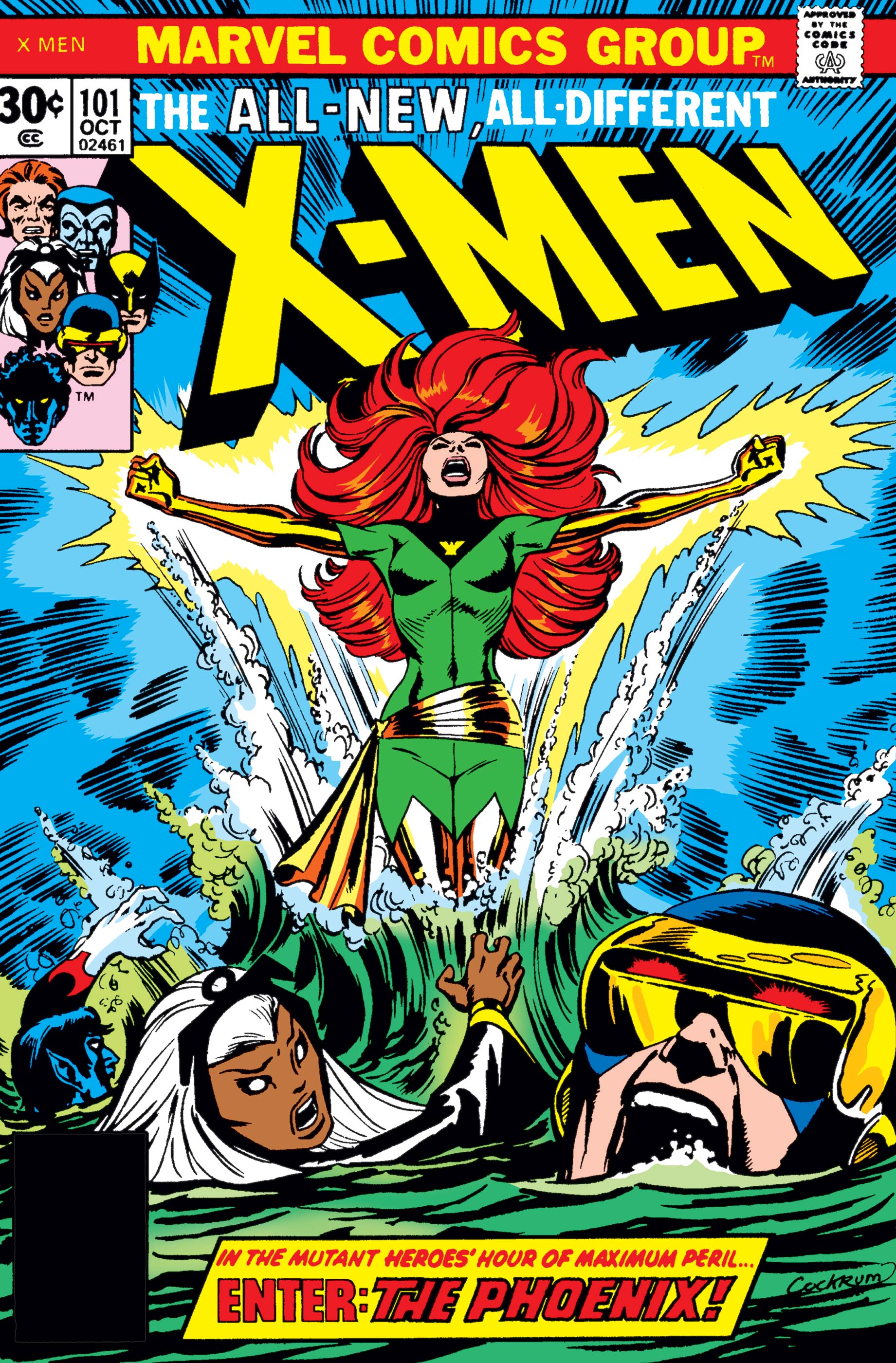
Please resist this apathetic posture. Yes, shiny school things are often simply repackaged relics. But consider the strength of something that runs through waves of reform. Maybe there’s a reason it reappears time and again. (Sort of like a phoenix?)

We’re talking about teaching here, but the same is true for the X-Men and other superheroes. How many times have classic stories and key character moments recurred over the years among different media?

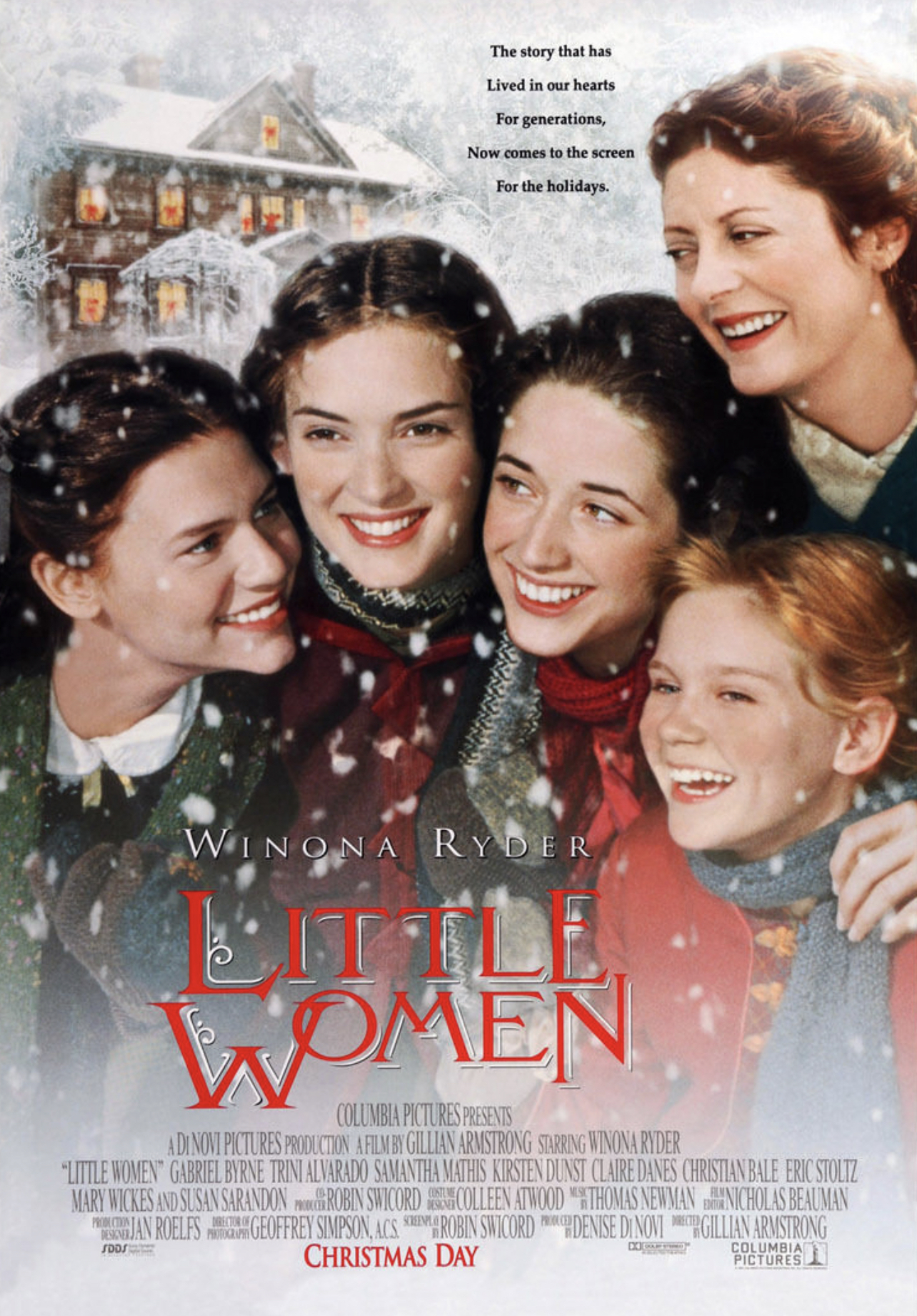
Heck, as I’m writing these words, my family has been enjoying Little Women on TV. This is the 2017 “Masterpiece Theatre” version, not the movie from 2019. Or 1994. Or the four other films before those. There are other adaptations, too, like graphic novels and manga.

Multiple retellings reveal a beloved and durable tale. Whether it’s X-Men, Little Women, or classroom instruction, focus on elements that withstand the test of time and trendy tides.

This doesn’t mean sticking to a single interpretation, but rather celebrating and cultivating quality. Whether something is new or classic, deconstructed or reimagined, relevance relies on excellence.

Or rather, X-cellence!

Views on Reviews

Standard

Even though the new year has barely begun, it’s always a good time to reflect and review.

Unfortunately, the previous year wasn’t kind to superhero shows. (Or maybe it’s the other way around: Superhero shows weren’t kind to 2023.) Here is a list of superhero movies from last year and their scores on the “Tomatometer” –

Notice that only two films reach the equivalent letter grade of an “A” (both animated, by the way). And seven of these ten movies average out to a “C” or worse – including three below 50%. (Ouch.)

Aside from critics’ reviews, a film’s success also depends on how much money it makes (and also how much it costs). The criteria for “hit” movie, then, is multifaceted.

In the same way, teachers must consider a variety of factors when reflecting on classroom success.

Beyond summative assessment scores, we should account for pre-assessments, school context, and external factors. And go beyond academic measures for “success,” acknowledging the power of social and affective factors.

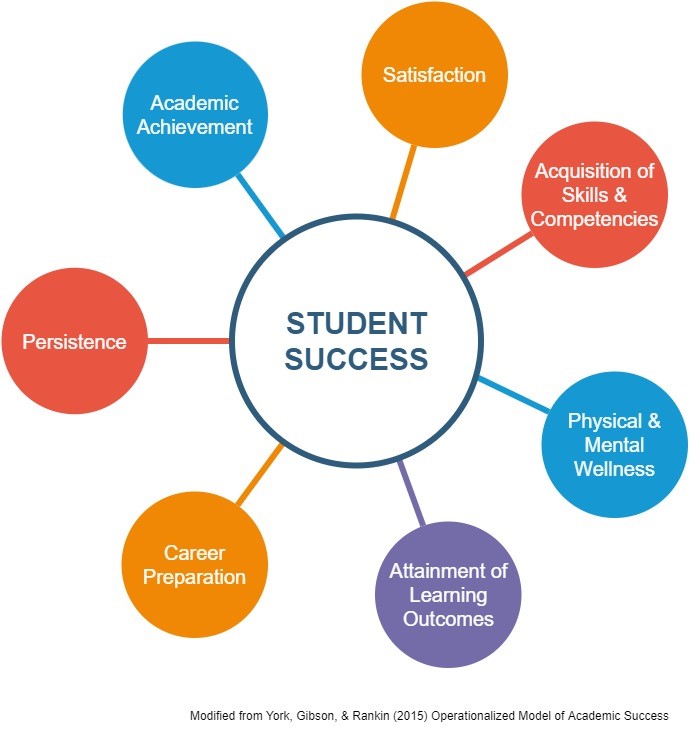
Here’s a neat-o graphic inspired by work from York, Gibson, and Rankin on “Defining and Measuring Academic Success” (2015).

Again, I would argue these aspects (and more) influence all kinds of success, not merely “academic.”

We’ve talked before on this blog about defining success and evaluating outcomes. But for now, let’s focus on reviewing teachers. How do we measure teaching effectiveness? And who should do it?

Not long ago, Edutopia asked this latter question, and summarized research into various teacher evaluation methods. This is their headline and graphic, and you should click HERE to read more.

For now, here’s a quick summary (you’re welcome) on some useful elements to enhance teacher evaluation:

  • Teachers should review their teaching with a peer, including fellow experts in content and pedagogy.
  • Wellwritten rubrics (and well-trained evaluators) help provide structure and intentionality.
  • Video recordings afford flexibility and efficiency for review, as well as opportunities for self- and peer-reflection. (This one is a personal favorite, and helps you reach “iconic” status.)
  • Student feedback can be a powerful supplement to other evaluations, especially to gauge rapport, management, and relative rigor.

Teachers, what do you think? How do you use any or all of these in your self-evaluations and self-improvement?

That last one – student reviews – can be tricky. The researchers acknowledge this, noting that some students may evaluate their teachers too harshly. In the entertainment biz, it’s called “review bombing,” and teachers can be mindful of such pitfalls, however rare. (As one of my mentors used to remind her colleagues, “consider the source.”)

I’m encountering a new sort of review process now that my book, “Teaching Is for Superheroes!” is out and in the public. (Have you heard? Or seen? Or both?)

Writers are cautioned to avoid reading their own book reviews, as this habit can stunt, distort, or even paralyze the creative process.

I’ll admit, I’ve taken a peek at a few reviews of my book. They’re not too bad (yet). And hey, I’ve still been writing! (Exhibit A: This blog.)

Still, I don’t want to get bogged down in second-guessing, cringe-inducing, and/or back-patting obsessions.

Teachers must also be careful in focusing too much on reflection and review that they forget to actually teach. Use reviews purposefully and proactively, but not at the expense of your instruction.

Teachers, what else do you do to review, reflect, and improve your teaching?

Please share your ideas. (Sharing and supporting the profession is a great way to help others AND yourself.)

Here’s one more suggestion: Check out a book on teaching! (I have a recommendation.)

And when you do, please provide an honest review at your favorite online merchant (or two), Goodreads, social media, or your own personal blog or podcast. I promise not to look at it . . . more than twice.

Marvelous Outcomes

Standard

Have you seen The Marvels movie in theaters yet?

If your answer is “NO,” you’re not alone. The Marvels had the worst box office opening ever for a movie in the MCU franchise.

Considering the Marvel Cinematic Universe has earned a worldwide gross income of nearly THIRTY BILLION DOLLARS* from its combined movies, I’m sure they’ll be fine.

*That’s “Billion” with a B-b-b-b-b-b . . . .

I’m even more confident in Marvel’s well-being given recent comments by one of their up-and-coming stars.

In an interview with Yahoo Entertainment, actress Iman Vellani (Ms. Marvel herself) shared her honest feelings about the film’s performance and audience perceptions.

“I’m happy with the finished product, and the people that I care about enjoyed the film. It’s genuinely a good time watching this movie, and that’s all we can ask for with these films. It has superheroes, it takes place in space, it’s not that deep and it’s about teamwork and sisterhood. It’s a fun movie, and I’m just so happy that I can share it with people.”

Whether you like The Marvels or not–heck, whether you even go see the movie or not–you have to respect the Ms. Vellani’s positive outlook. Enjoy the creativity and enthusiasm, and share that enjoyment with those who are important to you.

I bolded that previous statement because the same approach applies to TEACHERS.

Like movies, schools may find themselves in the headlines due to lackluster performance. Often, the stumbles and setbacks get more scrutiny than the successes.

Notice the sad-to-happy ratio of 8-to-1.

Teachers can take it upon themselves to create positive buzz. Advocacy is a topic we’ve addressed in this blog a few times, thanks to Stan “The Man” Lee and the American Federation of Teachers (AFT).

On other occasions, we may just need to rely on thick skin, like Ben “The Thing” Grimm of Fantastic Four fame.

Or maybe we don’t have thick sin, but a magical bracelet that combines with our mutant powers to create a shield of hard light energy. That’d be nice . . .

Here’s another excerpt from the interview with Iman Vellani:

“I had a lot of experience in high school alone when I would share my excitement with someone, and then they’d immediately shut me down for being so excited . . . . If people are excited about something, let them be excited about it. And if you have constructive criticism, voice it — but never be the wet blanket on someone else’s excitement.”

Wise words from a 21-year-old.

And not only sage advice, but also a practical strategy for teachers working with students.

We all encounter kids who have grand ideas, but maybe not the best plans. Effective teachers are those who can encourage and cultivate enthusiasm in the classroom.

Marvelous teachers harness that energy for productive outcomes inside school and beyond.

We–AND our students–should cherish such experiences.

Excused Absence?

Standard

You may think this blog’s title refers to the relative lack of new posts in recent months. 

I wouldn’t blame you. Hopefully we’ll get back to a semi-regular schedule soon.

But I’ve had my reasons for such blog-paucity. It’s been a busy fall semester. Exhibits A-J . . .


Actually, the topic of “Excused Absences” comes from a social media post by Marvel Studios.

Check out this “Permission Slip” fans can use to skip school or work (or both if you’re a teacher). 

What’s your reaction to this note? 

  1. Ha! That’s funny.
  2. Hey, that’s not a bad idea.
  3. Gasp! How dare they make light of skipping school and/or work, especially in light of data on chronic student absenteeism and the detrimental effects on learning and retention?

If you responded closest to #3 above, chances are you’ve had some prior experience with students that miss or skip classes. 

(Still, I’d hope you can take it as a clever joke. And maybe sympathize with those of us excited to witness two landmark events in the wider Marvel Cinematic Universe.)

But since the issue is on the table, let’s look at students who miss school. And if it’s any encouragement, superheroes go missing all the time . . . .

Focusing on STUDENTS, the causes and effects of missing school are diverse and interdependent. For example, is a student not doing well because they are missing class, or are they missing class because they are not doing well? 

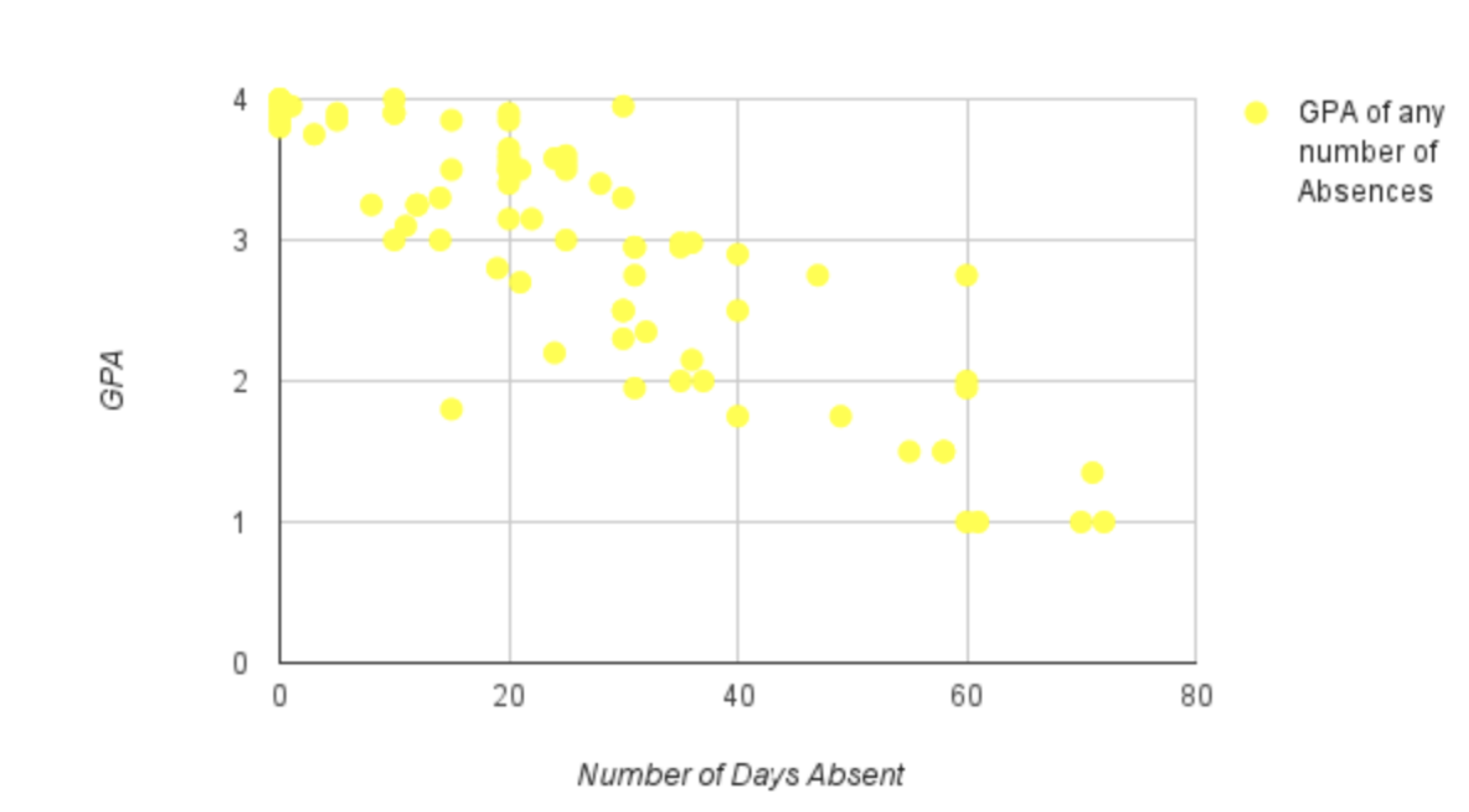
Regardless of causation, we can clearly see correlation. Here is a graph based on data of students in my university, courtesy of our Office of Academic Affairs. 

Sure, there are outlier individuals who buck the trend. But overall, it’s not too hard to notice that the more classes you miss (Number of Days Absent), the lower your overall grade point average (GPA).

You can find all kinds of data and research on this important issue, including the ones listed here.

(Notice this topic is so crucial that even the White House has an official position statement on the matter!)

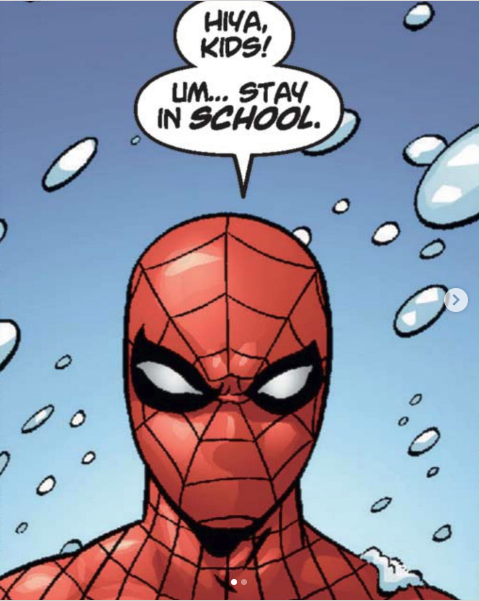
No big surprise, then, that a general rule of thumb is “Stay in school, kids.” 

See? Even Batman and Spider-Man agree!

Easier said than done for some, of course. Start with the list above for resources to increase attendance and engagement.  

And please share what you and your school do to help invite and retain students. Successes? Struggles? Lessons Learned? Advice to Share?

We welcome your feedback! (And will even write you a note if you need one.)

Vibrant “Hughs”

Standard

Although the upcoming Deadpool 3 movie is a loooong way from its release in theaters, fans are still excited for any news.

The BIGGEST reveal came recently with a sneak peek photo of the film’s two stars, Ryan Reynolds (Deadpool) and Hugh Jackman (Wolverine). Check it out!

Understandably, the BIG DEAL is that for the first time in two decades of movies, Hugh Jackman’s attire finally bears close resemblance Wolverine’s comic book costume. Nice!

Before, many fans believed it impossible to pull off a nearly all-yellow, non-ugly outfit in live-action cinema. But I admit, Hugh’s golden duds look pretty good. Chalk it up to movie magic!

This is not the first time we’ve used Hugh Jackman as a launching point to discuss teachers and teaching. Now in Part Three of our “Hughology” (trademark, 2023) we’ll use the charming Wolverine actor to reflect on teaching wardrobes.

We’ve also talked before about teacher outfits based on superhero icons, including both what to (or not to) wear in the classroom, and when (and how) to undergo an “extreme makeover,” which is more than just appearances.

Now let’s ask another important question:

Should teachers wear yellow?

Ready for the answer?

It depends.

Is yellow part of your school colors? Do you root for the the “Yellowjackets,” or “Golden Lions” or “Wheat Shockers?” If yes, then by all means, go for it. Especially on game days. Who cares if yellow is a bad match for your complexion? Show your team spirit!

All teachers can still wear yellow, no matter their school’s mascot. In fact, yellow is a common color recommendation for first day outfits. Both style and teaching websites give their approval (and examples, such as below).

You can find additional resources at websites like This Stylish Teacher, The Styled Teacher, Real Men Real Style, and more. (Keen observers will note Mr. Harrington wearing his golden jacket for the Midtown School of Science and Technology Academic Decathlon Team!)

Beyond trendy styles, there’s actual research to support adding a ray of sunshine via your threads. Fashion psychologists note how the color yellow conveys optimism, brightness, and energy. These are all great things to share in the classroom, on the first day of school and beyond.

A little bit of yellow goes a long way, however. A teacher with too much brightness and energy can overwhelm a class, whether by what they wear or how they act. Be purposeful and judicious in your appearance and behavior.

For further superhero inspiration, consider how many of the following heroes brandish yellow–sometimes a bit, sometimes a bunch–on their costumes. Instead of insignias or capes, teachers can add their own bright splashes with a necktie, scarf, jewelry, and more.

If you want to learn more about fashion psychology and superhero costumes, there’s a super-neat four-part feature at Comics Alliance about different color combinations, including those shared above.

And read more about teacher attire AND teacher actions in my new book, Teaching Is for Superheroes! – NOW available anywhere online where you find GOOD BOOKS! Find out the latest at www.TeachingIsForSuperheroes.com!

(Note the savvy use of yellow on the cover – just enough to catch your attention!)