Who needs friends?

Standard

The new Avengers: Infinity War trailer came out and is already setting records, as you can read in this Forbes article.

Here is a quick breakdown of the trailer’s impact, courtesy of Fizziology:

Putting Captain America’s beard aside, I’d say the most exciting element of the trailer is NOT the big battles or bad guys.  Sure, we get Thanos and multiple fights. But the BEST part is seeing how all these heroes work with each other.  

Just take a look at the “screen cap” attached to the official trailer’s YouTube video:

It’s Bucky!  Black (Blonde?) Widow!  Cap (and his beard)! Hulk! War Machine! Falcon! Black Panther and a whole bunch of Wakandans!

The last time movie-goers saw most of these characters, they were arguing and battling each other. But all it takes to make amends is a world-conquering villain. That’s friendship for ya.

If you’ve paid attention to recent superhero movies, the theme of FRIENDS appears quite often.


No, not THAT theme . . . apologies . . .

We mean REAL friends.  To remove the “ear-worm” song from above, take a closer look at the following trailers of current movies.

Start with Thor: Ragnarok . . .

Thor’s “friend from work” comment at the 1:20 mark is one of the best lines in the entire film.  

friend from work

(Fun fact – there’s a neat story about the origin of that line, which came from an unlikely source. Read more here.)


Or check out this Justice League trailer and listen around 1:50 for Barry Allen/Flash’s awkward “I need friends” admittance to Bruce Wayne.

i need friends


Everyone needs friends, and that includes TEACHERS.

Unfortunately, teaching can quickly become an “isolated profession,” and you can read more about this “Lone Ranger” phenomenon in an article by The Atlantic HERE.

A growing research field focuses on teacher collaboration and how to help educators work together.  Some people consider teacher collaboration as the “missing link” in successful school reform.

Here is a summary of one study about “High-quality collaboration” and its benefits to teachers and students.  There’s a useful section in the article called “What this means for practitioners,” and if you’re in a hurry, here’s one excerpt from the summary:

School and teacher factors influence the quality and type of collaboration. Teachers in elementary schools, more so than in secondary schools, collaborated more frequently about instruction. Higher-quality collaboration is more common among female teachers than male teachers, particularly about instructional strategies, curriculum, and assessment.


Another study of middle school teachers found positive results from “professional learning communities” (PLCs) consisting of same-subject, same-grade teacher teams.  However, overall effectiveness depended on a lot of factors: “leadership and organizational practices, the substantive details of PLC activity meetings, the nature of conversations in PLC activities, and the development of community among PLC teams.”

There’s a lot to unpack in that last statement about influential factors for successful collaborations. This is the challenge of teacher teamwork.

You can’t force friendship, and you can’t coerce teachers to collaborate. As these studies show, effective collaboration requires meaningful application and multiple nuances to result in teacher buy-in and worthwhile work.

As with most interpersonal relationships, the process is delicate and sometimes messy. Just consider how well superheroes get along (or not) throughout their long history.

There is no one-size-fits-all approach to helping each other get along and collaborate.  Even so, here are three resources (and highlights) that could help.

===============

“7 Reasons Why You Need a Teacher Friend” (Tame the Classroom)

#1: You need someone to tell you “no” 

When you have a bad idea, like giving students stupid awards, a good teacher friend will tell you, “Heck, no!”  When you’re thinking about writing a parent a nice-nasty reply to a note and you let your teacher friend proof it, a good teacher friend will tell you, “Nope, edit this so you won’t get fired.”

===============

“Teacher Collaboration: Matching Complimentary Strengths” (Edutopia)

Virtual Collaboration: Share Work Products on a Common Drive

By sharing work products on Google Drive . . . teachers know what their colleagues outside of their collaboration group are doing. They also know how they’re doing it. This enables them to replicate and/or get ideas from each other.

Even without meeting in person, they have instant access to work products, like:

  • Unit plans
  • Lesson plans
  • Curriculum maps

===============

“Making the Most Out of Teacher Collaboration” (Edutopia)

Personal Steps to Effective Collaboration

If I had it to do again, this is what I would do to get the most out of my formal and informal collaborations with other teachers:

  • Build relationships
  • Observe the best
  • Ask questions
  • Share
  • Come prepared

===============

The above ideas are not as “scholarly” as the research studies shared earlier. But they can still provide useful steps.  At the least, none of these education offerings require a world-conquering villain.  Be thankful for that!


infinity-war-thanos-brolin


Worlds Collide

Standard

lego-batman-banner

The next BIG superhero movie coming to theaters is The LEGO Batman Movie!

In a promotional stunt, LEGO Batman appeared alongside LEGO superheroes from DC Comics’s CW television shows, which you can check out below:

What makes this video clip special is it is the first time DC superheroes from the CW TV channel (Green Arrow, Flash, Supergirl, The Atom) have merged with a DC superhero from the movies (Batman).

“Big deal?” you think?

Actually there’s been a lot of chatter among fans, critics, and industry reporters about the pros, cons, and possibilities of merging film and TV-based superheroes.  These are characters that come from the same comic book universe, but are featured in separate media outlets–theatrical, broadcast television, or streaming.

DC, for example, has Batman, Superman, and Wonder Woman dedicated to film, along with other heavy hitters from the Justice League (Green Lantern, Aquaman, Flash).  This gets problematic, however, since The Flash also stars in his own television show on the CW (as do Green Arrow and Supergirl, who has also met a TV version of Superman).

The Last Children of Krypton

Confused?  You’re not the only one, and some people argue these two “universes” should stay separate (see here and here).  Others think there could be a way to have a crossover of sorts between TV and Film (read more here).

mv1

More intermingling makes sense for Marvel superheroes, since theoretically, many of these characters actually DO live in a single universe shared between the movies (Avengers, etc.) and television shows (Agents of SHIELD, Agent Carter, Daredevil, Luke Cage, etc.).

Some people claim Marvel could and should have film and TV shows cross over.  Others point out that such an event would still be a monumental and unwanted task.  And that’s not even dealing with different Marvel heroes contracted out to different movie studios (e.g. X-Men/Fantastic Four with 20th Century Fox, although Wolverine actor Hugh Jackman said he’s happy to meet the Avengers sometime).

wolverine-avengers

Sorry, Wolverine.  No shirt, no crossover.

While not requiring millions of dollars, the habit of teachers collaborating can also seem like a difficult ordeal.  But it’s worth it, with research finding higher student achievement in schools with higher levels of teacher collaboration.

getting-along-with-coworkers

We’ve talked before about teachers getting along with other teachers and here’s another resource with useful teacher collaboration ideas, including virtual tools, co-planning, scheduling, and more.

And let’s take a closer look at teachers from different universes (i.e. different grade levels).

lego-teachers

The Teacher Channel’s blog “Tchers’ Voice” shares commentary on learning from teachers of different grades.  The blog post is called “Pathway to Collaboration,” and it’s just the tip of the iceberg.  Challenge yourself to find new ways to team up and learn with colleagues in your building, district, and beyond.

Sadly, there’s not much else out there about cross-grade teacher collaboration, although someone did do a doctoral dissertation on this topic.  (If you need a little light reading, you can find the entire 418-page document here.)

I’ll conclude with examples of insight gained and projects accomplished when my world collided with those of other teachers.

  • A fourth grade teacher who showed me all kinds of management techniques and student jobs that I could also apply in my high school classroom.
  • A middle school science teacher who collaborated with me to successfully submit a grant for highway safety physics curriculum.
  • A business teacher who modeled practical classroom procedures for high school seniors, giving flexibility and freedom to young adults weeks away from graduating.
  • And several more colleagues, mentors, current and former students co-presenting and co-publishing academic work.

No movies or television projects yet, but maybe someday.

Know Gimmicks

Standard

gimmick ˈɡimik/  noun

  1. a trick or device intended to attract attention, publicity, or business.
    synonyms: publicity stunt, contrivanceschemestratagemploy;

    informalshtick

 Every Marvel movie features snappy quips, and one of my favorite lines from Captain America: Civil War comes from hero Falcon, when he and Bucky first run into Spider-Man:

ca-cw-gimmick

Gimmicks have a long history in comic books.  Specifically, let’s look at comic book gimmick covers.  Like any good “publicity stunt,” gimmick covers draw attention to sell more comic books. Typically these specific issues celebrate milestone anniversaries, debut series, or other special events.

The good folks at Comic Book Resources (CBR) recently shared their “All-Time Greatest Comic Book Gimmick Covers,” and you can read about it right here.

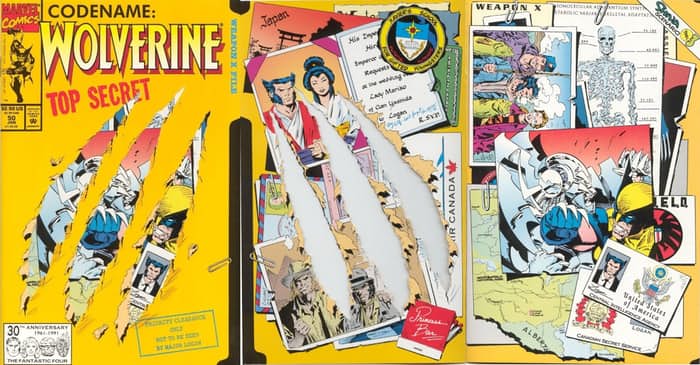
In this list, you’ll learn all kinds of neat history and trivia, including what made these gimmicks special.  Behold covers with poly-bagged pop-ups, glow-in-the-dark skeletons, embossed chromium and/or foil, die-cut claw marks, bullet holes, and more.

wolvie-gimmick

My favorite is the Superman “Colorform” cover, where you can create your own battle scene using the reusable plastic pieces.  (iPad got nothin’ on Coloforms.)

superman-lobo

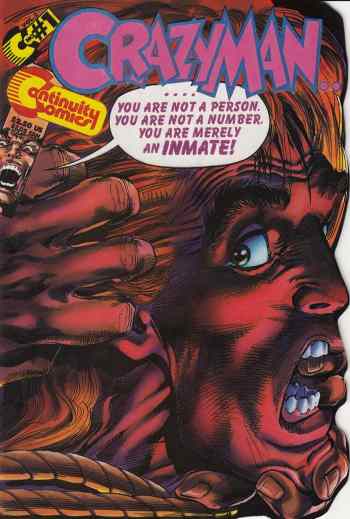
Gimmicks are fun, but they can also go horribly wrong.  To wit, CBR contributors also compiled the “All-Time Worst Comic Book Gimmick Covers,” which you can read here if you dare.

crazyman-gimmickbad6a

These unfortunate “shticks” include lenticular artwork, face-shaped die-cut covers, duplicate monochrome colors, Magic Eye illusions, body heat-sensitive “thermochrome,” and more bullet holes.

gimmickbad0c deathwatch.jpg

Gimmick comic book covers have mostly disappeared, but new ideas (or old revivals) pop up from time to time.  The same is true for educational gimmicks.  Teachers must be vigilant in protecting their students (and themselves) from too many gimmicks, fads, and ploys.

 What are some of these educational gimmicks?  For a start, take a look at the following graphic highlighting “20 Years of Educational Fads,” put together by Te@cher Toolkit (“the most influential blog on education in the UK”).

20-years-educational-fads

You can read more here about each gimmick, myth, fad, and/or hearsay, and see how much you agree.

Such new (or repackaged) educational ideas begin as noteworthy or eye-catching.  A financial boost often jumpstarts such initiatives.  But eventually the dollars dwindle away, followed by fading enthusiasm and support.  Given the effort and time spent by various stakeholders, you can imagine the subsequent feelings of resentment and distrust.

Please note that I am not poo-pooing all gimmicks.  After all, I’m the guy who forked over cash to get this hologram-highlighted wrap-around cover:

Uncanny_X-Men_Vol_1_304_Wraparound_Cover.jpg

And this foil embossed beauty:

avengers_vol_1_369

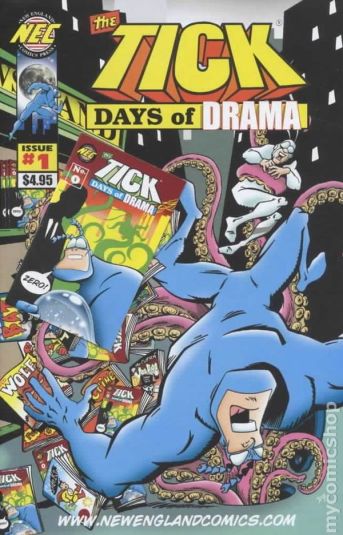
And even this one:

tick days of drama.jpg

 (Yup, that’s a special #0 issue mini-comic glued to the cover of the #1 issue regular-sized comic.)

Gimmicks can be good for a laugh.  And sometimes they are a breath of fresh air.  Used right, gimmicks can make cute mementos, quick distractions, and useful object lessons.

Nevertheless, it’s important to distinguish between a novel trick (that’s fun for a little while) and a credible research-supported practice (that stands the test of time).

What about you?  What educational gimmicks have you enjoyed, advocated, and/or suffered?

Job Juggler

Standard


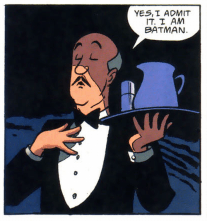
A recent Batman comic book story features Alfred Pennyworth, Bruce Wayne’s trusty butler, donning the cape and cowl to be Batman.

Below is one page of the comic, and you can find a nifty preview of this scene here, so take a look to see how it plays out.

alfred as batman


Alfred’s temporary stint as the Caped Crusader prompted website Newsarama to make a top ten list, where they ranked different jobs performed by Batman’s butler.

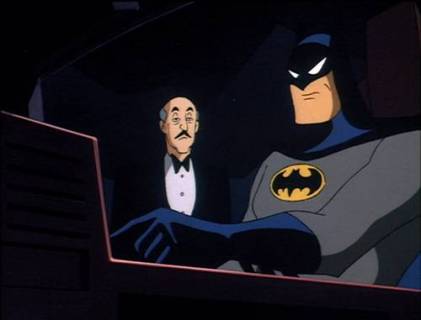
alfred batman tas


Of course, “butler” was the #1 job.  But you’ll also find a range of occupations such as surgeon, actor, spy, super-villain, and more.

This list includes many jobs performed by your typical teacher.  Consider the ways in which teachers must act in the following roles:

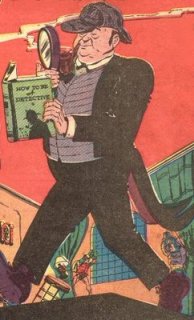
alfred 1943 detective


Detective – Teachers may not solve crimes, but they must investigate, question, and examine evidence from their students’ behaviors and performances in order to make conclusions about learning and lesson planning.


Alfred-Pennyworth-is-Batman


Actor – Teaching is NOT theater, but there are certainly times when teachers must add some theatrics to catch their students’ interest and elevate the content.


alfred doctor


Surgeon – Let’s go with Doctor here to be more general.  There’s a reason teachers have to annually renew training on how to deal with blood-born pathogens. Schools have nurses, but teachers often deal with students’ minor injuries on the front lines. Just ask any teacher with playground duty.


alfred hugging


Father – Alfred has been a “father figure” to numerous heroes.  How many teachers have been accidentally called “dad” or “mom” by their students?  It’s universally subconscious.


I would add even more jobs to Newsarama’s list for Alfred, and argue that teachers also juggle these jobs during a typical school year.

alfred tailor


Tailor – To put it figuratively, teachers must tailor their lessons to fit students’ needs and standards requirements.


alfred helping figure out


Assistant Problem Solver – Alfred has been Batman’s trusty assistant when it comes to numerous bat-cave experiments and analyses.  Likewise, teachers “facilitate” learning when they help students think through problems and challenges.


alfred sparring partner


Sparring Partner – Sometimes the role of assistant includes acting as an antagonist.  Like Alfred (seen here with a young Bruce Wayne), teachers can provide a safe avenue for students to “wrestle with ideas” and face opposition.


alfred ding dong


Comic Relief – Like fighting crime, learning is an endless venture.  In addition to all of the jobs needed above, an effective bat-butler/teacher can share a sense of humor to reduce stress and lighten the mood.


What other roles does Alfred perform for Bruce Wayne/Batman?

What about teachers with their students?  How many different jobs do you juggle?


alfred mentor


Super-Quotes

Standard

With the dawn of the school year upon us, what better way to begin than with some inspirational quotes?

The Huffington Post (with State Farm and Getty Images) put together a terrific collection with equally inspiring images.

Here are two of my personal favorites:

o-BATMAN-QUOTES-570

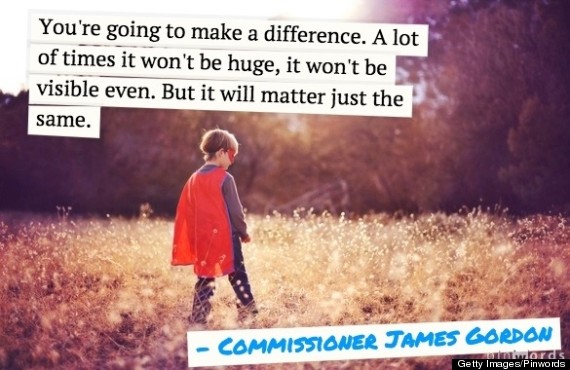
o-JIM-GORDON-QUOTE-570

And you can find the rest of them HERE.


Such quotes can be motivational tools for TEACHERS as much as their STUDENTS.

Here are several non-superheroic (but still super) quotes I share in my classes.

    We do this not because it is easy, but because it is hard!    – John F. Kennedy


    Life is meant to be a never-ending education, and when this is fully appreciated, we are no longer survivors but adventurers.   – David McNally


    Excellence is not an act but a habit. The things you do the most are the things you will do best.     – Marva Collins


    Not everything important is measurable and not everything measurable is important.     – Elliot Eisner


What about you?

Which quotes or mottos do you share with your kids?  What do you use to keep yourself inspired?  Please share!


Ms. Pronunciation

Standard

It’s graduation season, that wonderful time of year to commemorate scholarly success.

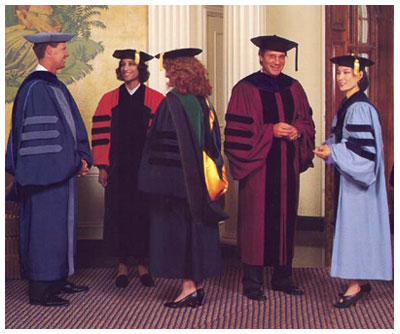
As an added perk, I get to dress up like a superhero.  (One of my students even said I looked like a Hogwarts professor – Wingardium Leviosa!)

phd gowns

Power Professors . . . Unite!

Besides Halloween, when else can someone strut their stuff in a color-coordinated, velveteen-trimmed billowy costume (i.e. regalia) without receiving strange looks?  It’s like academic Mardi Gras.

That’s Mardi Gras, pronounced “ˈmär-dē-ˌgrä.”  In New Orleans, pronounced “awr-lee-uhnz,” or “awr-leenz,” or “aw-linz,” depending on your demographics.

Pronunciations are important. How important?

With comic books being a visual medium, readers may have seen a superhero’s unique name for years but never heard it spoken out loud.  When we hear the audible title, the correct pronunciation can be surprising.


darkseidTake DC villain Darkseid, for instance.  First introduced in 1970, this big baddie predates  the Star Wars movies by several years.  But his name is pronounced “Dark Side.”  (For the longest time, I thought his name sounded like “dark seed,” which is more menacing in my opinion.)


Namor-Sub-Mariner

Or Namor the Sub-Mariner.  When I see his name, I still hear it as “submarine-r,” sounding like the underwater vessel with an “r” at the end.  (Like a trucker who drives a truck.)  Actually, the name of Marvel’s first mutant got its inspiration from the Coleridge poem, “The Rime of the Ancient Mariner,” and the emphasis is on “mariner” like a sailor or Seattle baseball player.


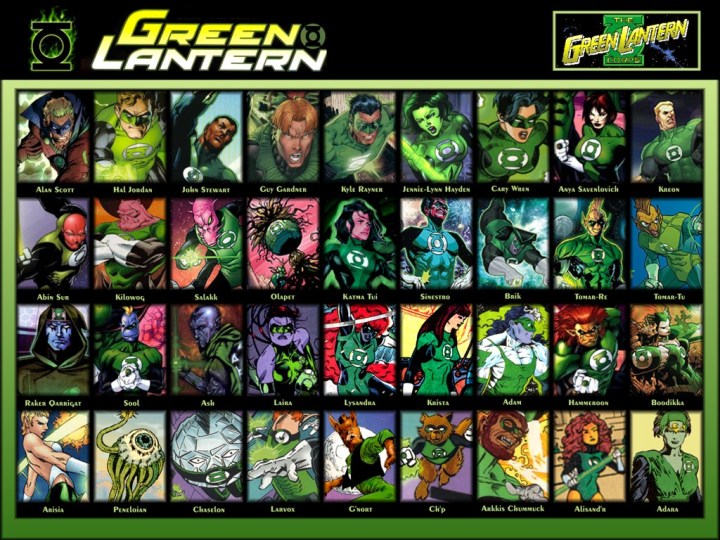
Here is an article about commonly mispronounced superhero names.  And we haven’t even talked about folks like Ra’s al Ghul, Ka-Zar, and half the Green Lantern Corps.


green_lantern_corps

Next year’s classroom portraits


Let’s not forget about all kinds of odd-sounding objects, too, like the Crimson Gem of Cytorrak, the Eye of Agamotto, or Thor’s mystical hammer Mjolnir.


Mispronunciations are not a problem exclusive to fictional characters.  All kinds of comic book creators have hard-to-pronounce names (Quesada, Nicieza, Madureira, DiDio, Lee).

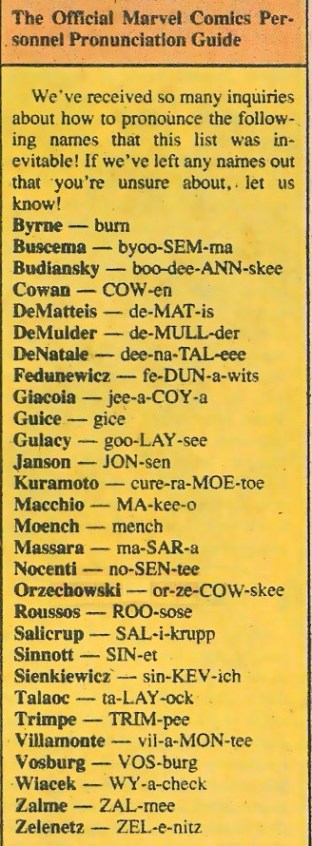
In fact, during the ’90s Marvel produced an official pronunciation guide for many of their writers and artists:

Marvel pronunciation


Most of this tongue-twisting is light-hearted.  But think of more serious repercussions in education.

graduate-student-woman-think-graduating-look-empty-area-isolated-white-background-asian-beauty-53035960


Witness the blushes and giggles (or worse, the cringes and frowns) at a graduation ceremony.  What should be the triumphant celebration of a student’s academic career becomes an uncomfortable, clumsy moment.


Consider the same unfortunate effects in the classroom.  How many students shudder at the sound of a teacher messing up their name during roll call?  This occurrence is not limited to back-to-school season, either.  Some botched names continue unnecessarily for months.

Here’s an interesting article by Ed Week about students and educators raising awareness and appreciation for diverse and difficult names.  Titled “Mispronouncing Students’ Names: A Slight That Can Cut Deep,” it tackles a lot of issues you may not even consider when reviewing your classroom roster.

What’s the worst way someone has mispronounced your name?  How do you handle it as a teacher?

Hopefully not like this:


Here’s one strategy I learned to use in my teaching:

During the first days of school, I have my students complete a handout sharing different bits of information.  One line on the form asks students to write their names as they are phonetically pronounced, as well as what the student would like to be called.

This may seem like overkill, but it comes in handy and reduces one more hurdle in promoting positive student-teacher relationships.

For instance, is Cara pronounced “Care-uh” or “Car-ah?”  Since I read her information sheet, I already know. I’ve also had students that go by middle names, initials, or something different than what’s written in their official records.

I’ll be ready when I have Mr. Mxyzptlk in class.  Will you?

mxyzpltk


Teacher Evolution

Standard

Don’t get riled up by this blog post’s title.

We’re not talking about Charles Darwin and biological evolution.  Although if you’re into that stuff, you can find all kinds of humorous imagery like this:

TrEvolMug

And if you like teacher accessories, you can snag this image on a mug, t-shirt, apron, mouse pad, and more HERE.

The type of evolution this post deals with is that of teachers (inspired by superheroes, of course).


YouTube user (and movie fan) Burger Fiction has put together some nifty videos highlighting every film and television appearance of various superheroes.

The most recent hero featured in these videos is Marvel’s Captain America, which you can watch here:


You can find similar “Evolution of . . .” clip collections celebrating heroes Iron Man, Superman, and Batman.  Each video includes vintage footage and obscure appearances alongside iconic sequences (live action and animation alike).

What I find most significant in these highlight reels, though, is the ongoing development and expansion of each character over time.  Like these heroes, effective teachers undergo change and growth through the years.

This is where the term “evolution” truly applies, going back to the word’s original meaning in the mid-1600s.  Thanks to the Online Etymology Dictionary, we know that evolution’s English origins arose from Latin “evolvere,” meaning “to unfold, open out, or expand.”

This same evolution process occurs for both teachers and superheroes.  And the parallels don’t end there.

cap am images

Like Captain America above, many teachers would rather forget some of the earliest footage of their work.  Everyone looks back at their initial efforts and cringes at what they see:

  • Sluggish transitions.
  • Awkward pacing.
  • Stilted dialogue.
  • Clumsy execution.
  • Poor methods.
  • Novice mistakes.
  • Cheesy humor.
  • And outdated fashion and technology, of course.


But observe what happens when the years go by.  As time advances, so do your abilities and confidence.  In fact, the most recent footage is downright awesome and exhilarating.

Am I talking about superheroes or teachers here?  It doesn’t matter.

Be brave and dig up old footage of your teaching.  Take a quick look and notice how your teaching has unfolded, opened up, and expanded.

Watch a more recent video of your teaching and be encouraged by your growth.  And if you find you still exhibit cringe-worthy tendencies, challenge yourself to fix those bad habits.

If you need inspiration or ideas on “teacher evolution,” here are a couple of useful articles: one dealing with National Board Certification, and another focusing on a teacher’s journey of “personal transformation” that includes burnout, pink slips, and awards.

Evolve your teaching.  You don’t need a multi-million dollar Hollywood budget, either.  Just the guts to get better.

superhero evolution

Super-Souvenirs

Standard

Last time we talked about lessons learned from conventions, whether the audience is teachers or cosplayers.


I nearly forgot one of the best rewards of attending conferences and meetings . . . the STUFF!

The swag . . . the loot . . . the prizes . . . the souvenirs.

This past weekend I participated in a state teacher conference, and I got a few of the usual convention freebies — posters, books, pens, highlighters, candy, a shirt, and more.  Someone I know even won a free corn snake!

corn snake

Take me home!


The best convention prize I ever got was a children’s book about Buzz Aldrin, signed by the astronaut himself!

buzz book


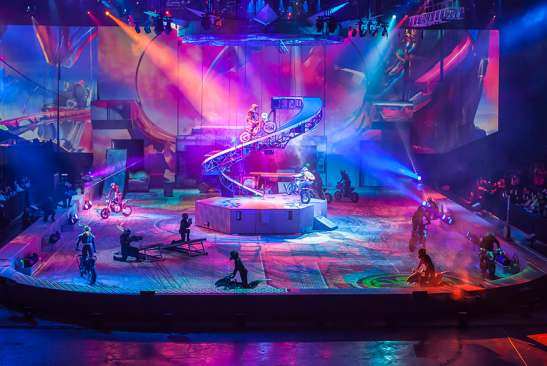
This very same weekend I came home and took my family to Marvel Universe Live!  (Think “Disney on Ice” with superheroes on motorcycles and high-wire acts.)

MUL_05_web bikes.png


The show was full of explosions, stuntmen (and stuntwomen), along with cheesy comic book dialogue. Best of all, it’s the only way (so far) you can see live-action Avengers fight alongside live-action X-Men and Spider-Man.

mc-review-marvel-universe-live-at-ppl-center-has-flaws-but-is-big-and-fun-20151016.jpg


My kids loved the show (me and the wife, too), and they also loved the souvenirs.  Just like conferences and conventions, this event had gobs of stuff to take home.  Such trinkets cost money, though.

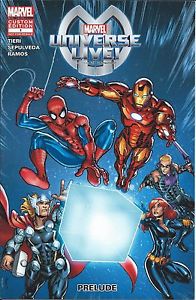
But where else are you going to get an exclusive Marvel Universe Live! Prelude Comic Book?

prelude comic


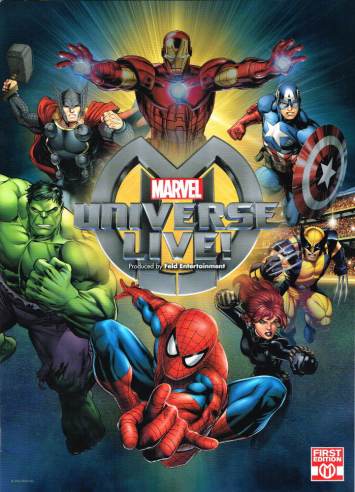
Or giant-sized Program Book (with embossed cover)?

mu_live_program book


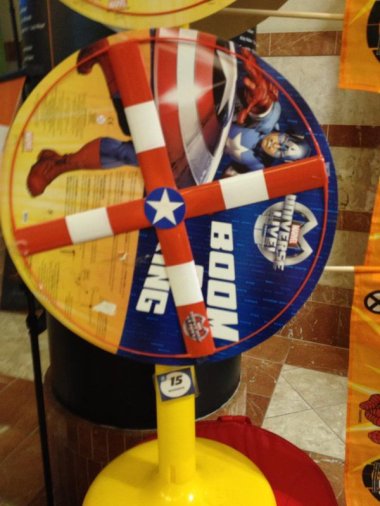
Or Captain America Boomerang?  (It works, too . . . in theory.)

boomerang


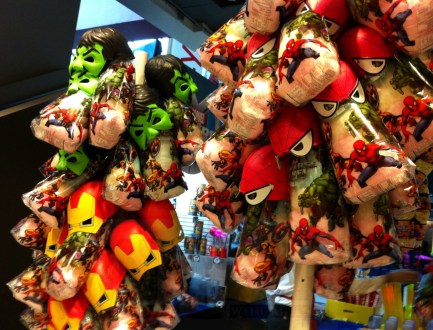
Or official Marvel Universe Live! cotton candy (with superhero mask)?

cotton candy.jpg

My family bought all of these beauties – BONUS!


Another lesson learned from this weekend is that teachers give their students an array of souvenirs over the course of a school year.  And I’m not just talking about content knowledge.

Every year, I ask my pre-service teachers to imagine their students at the end of the year.  In an ideal world, what will those kids be like?  What skills will they possess?  What traits, habits, and feelings do they have?

Elementary school pupils running outside


I’ve written about this before in a more scholarly setting. To be brief, the new teachers end up with a short list of about ten items.  The same types of traits and skills always emerge.

Teachers want students who are . . .

  • Critical Thinkers
  • Creative
  • Problem Solvers
  • Caring and Kind
  • Hard Workers
  • Curious
  • Lifelong Learners
  • Collaborative
  • Effective Communicators

And students who possess solid content understanding, of course.

School routine


Souvenirs are an important part of comic book conventions, education conferences, superhero stunt shows, and even school classrooms.

Some are free.  Others are pricy.  Cost does not always correlate with value.

What are your classroom’s best souvenirs?

Consider what “souvenirs” you provide for students over the course of the year.  Make sure they are treasures that last a lifetime.


marvel souvenirs

Con Season

Standard

This blog post is unique because I’m writing it from San Diego, where I’m attending a convention.

sdcc

No, not THAT convention – San Diego Comic-Con International – although the Convention Center is just across the street.

sandiegoconventionctr

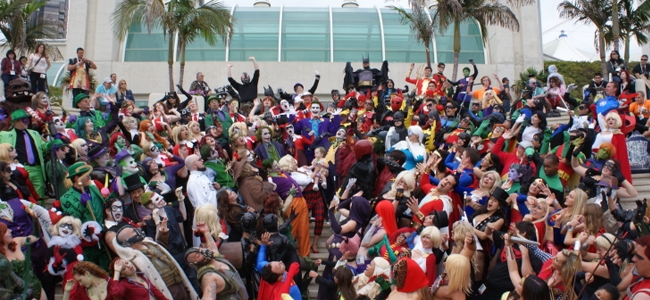
The above photo is what the Center looks like this week.  During Comic-Con, it appears more like the photo below:

san-diego-the-first-ever-comic-con-got-seriously-weird

Or this one:

sdcc-cosplayers-25697

Or this one, if you’re lucky:

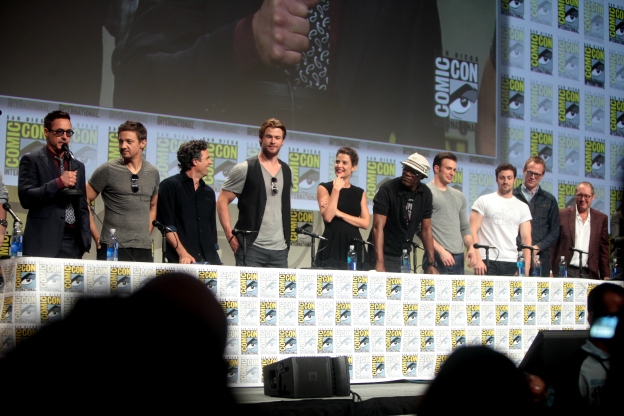
Avengers_Age_of_Ultron_SDCC_2014_panel


Like I said, I’m not lucky enough to be in town the same time as Comic-Con.  But I am lucky enough to be at a convention with hundreds of other educators.

caep-con-2016-logo-w-theme

This particular “con” is focused on accreditation of teacher preparation programs.

The topic may sound dryer than San Diego heat, but it’s not too bad.  Most sessions are led by educators, who know a thing or two about engaging a crowd of semi-disinterested individuals.

Here are three take-home lessons I’ll share with you (and take home from California):

empty school room

No excitement here.

1. A convention center without fans, celebrities, and cosplayers is like a school building without students, teachers, and staff.  A brilliant building with fancy facilities is a wonderful thing to behold; but it only makes a difference when it hosts a crowd of excitable and exciting characters.


2. What convention are you attending next?   I’m not talking about a district-required in-service necessary for churning out continuing education credits.

Seek out a teacher-focused conference or convention that expands your network of colleagues, refines your thinking, and builds on your repertoire of strategies.  Better yet, sign up to SHARE a session or workshop with your professional peers.  


3. Someday I hope to visit San Diego again and attend Comic-Con.  Until then, here are some conferences I’ve attended (or will attend) recently.  Check one out, if you’re interested.  Or find something else that more closely matches your field of expertise.

-Kappa Delta Pi International Educational Honor Society Biennial Convocation

-National Science Teachers Association Regional Conference

International Meeting of the Association for Science Teacher Education

-Kansas Association of Science Teachers “KATS Kamp” Conference

-Council for the Accreditation of Educator Preparation Spring Conference


Where are you going?

You don’t have to attend a “con” somewhere far away or expensive.  Most of those I go to are within driving distance, and many times you can pay a discounted fee to attend only part of the convention.  In most cases you get what you pay for, though, and it’s healthy to expand your horizons beyond your home district or state.


Find a super group of teachers to encourage and educate you – and you can do the same for them.  They’re waiting for you!

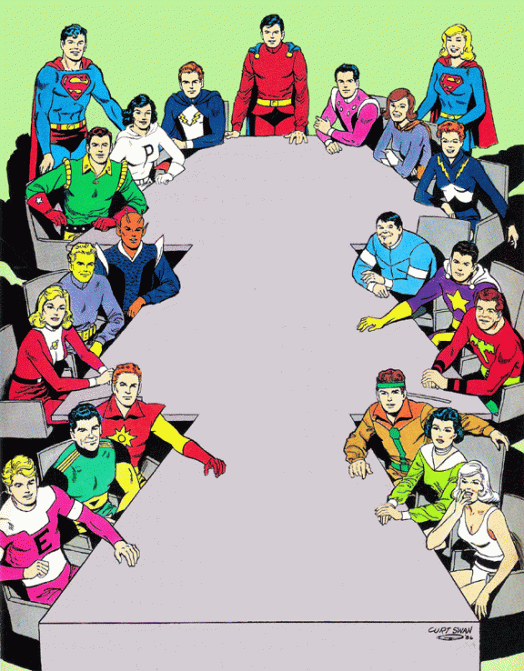
legion at table


Word Balloons

Standard

The latest superhero flick is Deadpool, which is making news for its “hard” R-rating for humor and violence.

If you don’t know much about Marvel’s “Merc with a Mouth,” here is a fun tutorial courtesy of artist Ty Templeton.

deadpool-four-panels-websize

The movie itself is doing great commercially and critically, even getting approval from Betty White herself.

bettywhitedeadpool


I’ll bypass seeing the film in theaters, waiting for a toned down, broadcast-friendly version on TV.  (But from the sound of things, a cleaned-up edited version would last about 15 minutes.)

The “sound of things” is actually the topic of this blog post.  Specifically,

What is the sound of your voice?

We’ve talked before about the importance of what teachers say in the classroom (namely questions).  But it’s also important to consider how you say it.

What’s your tone of voice when you talk in class?  How loud?  How fast?  How much variety?

In comic books, characters speak in “word balloons” (or “speech bubbles”), and it’s fascinating to notice the unique techniques creators use to convey dialogue on the page.

variety-of-speech-bubbles


Just like people, comic book heroes have unique voices, and letterers (the folks who draw word balloons) often use specific styles for particular characters.

For instance, Deadpool always speaks (and thinks) in yellow word balloons.  No one is sure what it’s supposed to sound like, aside from a mix of sarcasm and crazy.

deadpool-yellow-boxes


Take a moment and consider what your words would look like if someone drew balloons around them.

Are you snarky to the point of annoying?  (Do you need to tone it down?)

deadpoolyellowdisplay


Or maybe you’re more robotic, like the android Vision.  (Should you add more emotion?)

VisionBuckler1972 2


DC/Vertigo’s Sandman hero Dream (a.k.a. Morpheus) talks in wavy inverted speech bubbles.  (Are you putting your students to sleep?)

Sandman1


Or does your voice reflect the tenor of Ghost Rider, Marvel’s Spirit of Vengeance?  (To quote Educator Harry Wong, remember to stay “calm, real calm.”)

ghost rider balloon


Some teachers start quiet and docile, not maintaining healthy classroom boundaries.  And then when students get too far out of control, these teachers release a verbal attack like Marvel’s Inhumans hero Black Bolt.  (Deal with the small things sooner, so you don’t have to explode.)

bolt 1


Eric Wong at the Sequart Organization wrote a nifty article about the different ways comic books communicate sound.   As you examine these examples, think about the sounds in your classroom.  What is helpful?  What is hurtful or distracting?

Teachers should record their classroom instruction and interactions from time to time.  You don’t have to sit down and watch an entire lesson.  Just listen to a few minutes and notice what your students actually hear.

Acknowledge the fact that nobody likes the sound of their own voice.  (Blame science.)  But who cares?  Either out loud or in your head, ask yourself,

“What can I do to sound better?”  

Here are some ideas:

1. If your voice is monotone and flat, study television news anchors to learn about adding variety in pitch. (And drink more coffee.)

2. If you have a tendency of erupting, take a deep breath and stay calm (but firm).  (And eat more chocolate.)

3. If you have a snarky streak, save it for open mic night at the comedy club.  Students respect teachers who show them respect first.

solid word balloon


So whatever kind of “word balloons” you use in the classroom, make sure they fit the space and focus on learning.

word balloons