Super-Souvenirs

Standard

Last time we talked about lessons learned from conventions, whether the audience is teachers or cosplayers.


I nearly forgot one of the best rewards of attending conferences and meetings . . . the STUFF!

The swag . . . the loot . . . the prizes . . . the souvenirs.

This past weekend I participated in a state teacher conference, and I got a few of the usual convention freebies — posters, books, pens, highlighters, candy, a shirt, and more.  Someone I know even won a free corn snake!

corn snake

Take me home!


The best convention prize I ever got was a children’s book about Buzz Aldrin, signed by the astronaut himself!

buzz book


This very same weekend I came home and took my family to Marvel Universe Live!  (Think “Disney on Ice” with superheroes on motorcycles and high-wire acts.)

MUL_05_web bikes.png


The show was full of explosions, stuntmen (and stuntwomen), along with cheesy comic book dialogue. Best of all, it’s the only way (so far) you can see live-action Avengers fight alongside live-action X-Men and Spider-Man.

mc-review-marvel-universe-live-at-ppl-center-has-flaws-but-is-big-and-fun-20151016.jpg


My kids loved the show (me and the wife, too), and they also loved the souvenirs.  Just like conferences and conventions, this event had gobs of stuff to take home.  Such trinkets cost money, though.

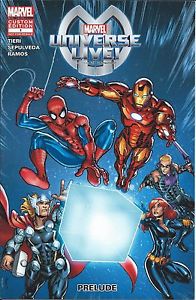
But where else are you going to get an exclusive Marvel Universe Live! Prelude Comic Book?

prelude comic


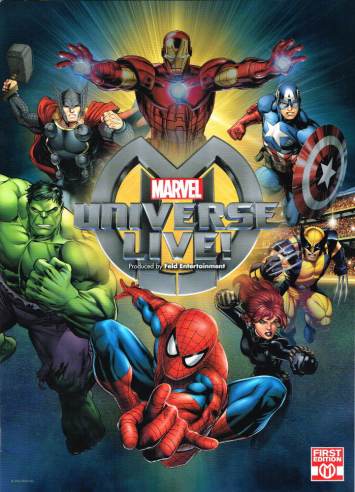
Or giant-sized Program Book (with embossed cover)?

mu_live_program book


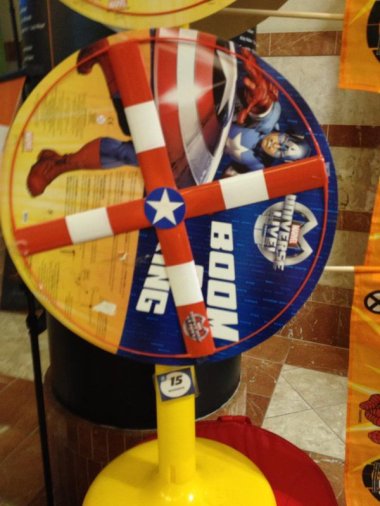
Or Captain America Boomerang?  (It works, too . . . in theory.)

boomerang


Or official Marvel Universe Live! cotton candy (with superhero mask)?

cotton candy.jpg

My family bought all of these beauties – BONUS!


Another lesson learned from this weekend is that teachers give their students an array of souvenirs over the course of a school year.  And I’m not just talking about content knowledge.

Every year, I ask my pre-service teachers to imagine their students at the end of the year.  In an ideal world, what will those kids be like?  What skills will they possess?  What traits, habits, and feelings do they have?

Elementary school pupils running outside


I’ve written about this before in a more scholarly setting. To be brief, the new teachers end up with a short list of about ten items.  The same types of traits and skills always emerge.

Teachers want students who are . . .

  • Critical Thinkers
  • Creative
  • Problem Solvers
  • Caring and Kind
  • Hard Workers
  • Curious
  • Lifelong Learners
  • Collaborative
  • Effective Communicators

And students who possess solid content understanding, of course.

School routine


Souvenirs are an important part of comic book conventions, education conferences, superhero stunt shows, and even school classrooms.

Some are free.  Others are pricy.  Cost does not always correlate with value.

What are your classroom’s best souvenirs?

Consider what “souvenirs” you provide for students over the course of the year.  Make sure they are treasures that last a lifetime.


marvel souvenirs

Con Season

Standard

This blog post is unique because I’m writing it from San Diego, where I’m attending a convention.

sdcc

No, not THAT convention – San Diego Comic-Con International – although the Convention Center is just across the street.

sandiegoconventionctr

The above photo is what the Center looks like this week.  During Comic-Con, it appears more like the photo below:

san-diego-the-first-ever-comic-con-got-seriously-weird

Or this one:

sdcc-cosplayers-25697

Or this one, if you’re lucky:

Avengers_Age_of_Ultron_SDCC_2014_panel


Like I said, I’m not lucky enough to be in town the same time as Comic-Con.  But I am lucky enough to be at a convention with hundreds of other educators.

caep-con-2016-logo-w-theme

This particular “con” is focused on accreditation of teacher preparation programs.

The topic may sound dryer than San Diego heat, but it’s not too bad.  Most sessions are led by educators, who know a thing or two about engaging a crowd of semi-disinterested individuals.

Here are three take-home lessons I’ll share with you (and take home from California):

empty school room

No excitement here.

1. A convention center without fans, celebrities, and cosplayers is like a school building without students, teachers, and staff.  A brilliant building with fancy facilities is a wonderful thing to behold; but it only makes a difference when it hosts a crowd of excitable and exciting characters.


2. What convention are you attending next?   I’m not talking about a district-required in-service necessary for churning out continuing education credits.

Seek out a teacher-focused conference or convention that expands your network of colleagues, refines your thinking, and builds on your repertoire of strategies.  Better yet, sign up to SHARE a session or workshop with your professional peers.  


3. Someday I hope to visit San Diego again and attend Comic-Con.  Until then, here are some conferences I’ve attended (or will attend) recently.  Check one out, if you’re interested.  Or find something else that more closely matches your field of expertise.

-Kappa Delta Pi International Educational Honor Society Biennial Convocation

-National Science Teachers Association Regional Conference

International Meeting of the Association for Science Teacher Education

-Kansas Association of Science Teachers “KATS Kamp” Conference

-Council for the Accreditation of Educator Preparation Spring Conference


Where are you going?

You don’t have to attend a “con” somewhere far away or expensive.  Most of those I go to are within driving distance, and many times you can pay a discounted fee to attend only part of the convention.  In most cases you get what you pay for, though, and it’s healthy to expand your horizons beyond your home district or state.


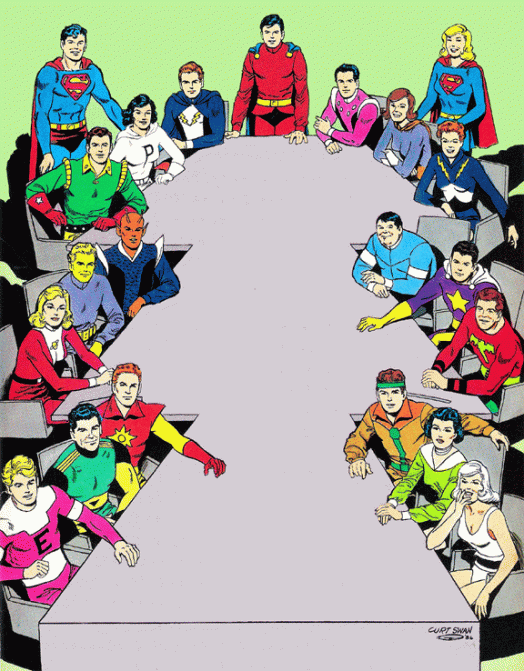
Find a super group of teachers to encourage and educate you – and you can do the same for them.  They’re waiting for you!

legion at table


Word Balloons

Standard

The latest superhero flick is Deadpool, which is making news for its “hard” R-rating for humor and violence.

If you don’t know much about Marvel’s “Merc with a Mouth,” here is a fun tutorial courtesy of artist Ty Templeton.

deadpool-four-panels-websize

The movie itself is doing great commercially and critically, even getting approval from Betty White herself.

bettywhitedeadpool


I’ll bypass seeing the film in theaters, waiting for a toned down, broadcast-friendly version on TV.  (But from the sound of things, a cleaned-up edited version would last about 15 minutes.)

The “sound of things” is actually the topic of this blog post.  Specifically,

What is the sound of your voice?

We’ve talked before about the importance of what teachers say in the classroom (namely questions).  But it’s also important to consider how you say it.

What’s your tone of voice when you talk in class?  How loud?  How fast?  How much variety?

In comic books, characters speak in “word balloons” (or “speech bubbles”), and it’s fascinating to notice the unique techniques creators use to convey dialogue on the page.

variety-of-speech-bubbles


Just like people, comic book heroes have unique voices, and letterers (the folks who draw word balloons) often use specific styles for particular characters.

For instance, Deadpool always speaks (and thinks) in yellow word balloons.  No one is sure what it’s supposed to sound like, aside from a mix of sarcasm and crazy.

deadpool-yellow-boxes


Take a moment and consider what your words would look like if someone drew balloons around them.

Are you snarky to the point of annoying?  (Do you need to tone it down?)

deadpoolyellowdisplay


Or maybe you’re more robotic, like the android Vision.  (Should you add more emotion?)

VisionBuckler1972 2


DC/Vertigo’s Sandman hero Dream (a.k.a. Morpheus) talks in wavy inverted speech bubbles.  (Are you putting your students to sleep?)

Sandman1


Or does your voice reflect the tenor of Ghost Rider, Marvel’s Spirit of Vengeance?  (To quote Educator Harry Wong, remember to stay “calm, real calm.”)

ghost rider balloon


Some teachers start quiet and docile, not maintaining healthy classroom boundaries.  And then when students get too far out of control, these teachers release a verbal attack like Marvel’s Inhumans hero Black Bolt.  (Deal with the small things sooner, so you don’t have to explode.)

bolt 1


Eric Wong at the Sequart Organization wrote a nifty article about the different ways comic books communicate sound.   As you examine these examples, think about the sounds in your classroom.  What is helpful?  What is hurtful or distracting?

Teachers should record their classroom instruction and interactions from time to time.  You don’t have to sit down and watch an entire lesson.  Just listen to a few minutes and notice what your students actually hear.

Acknowledge the fact that nobody likes the sound of their own voice.  (Blame science.)  But who cares?  Either out loud or in your head, ask yourself,

“What can I do to sound better?”  

Here are some ideas:

1. If your voice is monotone and flat, study television news anchors to learn about adding variety in pitch. (And drink more coffee.)

2. If you have a tendency of erupting, take a deep breath and stay calm (but firm).  (And eat more chocolate.)

3. If you have a snarky streak, save it for open mic night at the comedy club.  Students respect teachers who show them respect first.

solid word balloon


So whatever kind of “word balloons” you use in the classroom, make sure they fit the space and focus on learning.

word balloons


What’s in a Name?

Standard

Keen-eyed readers will notice that this blog has recently changed its official name from Teaching is for Superheroes! to Teach Like a Superhero!  (The exclamation point remains!)

Not that big of a change, really, except that the new name rolls off the tongue a little more easily.  Another change is the primary web address:  http://www.teachlikeasuperheroblog.com.  This new URL is not very short, but it gets to the point.

(I tried a shorter address, but “www.tlash.com” sounds like an eyeliner product.  And a good of an excuse as any to share this meme inspired by Captain America: The Winter Soldier)

eyeliner

If all of this http://www.mumbo.jumbo stresses you out, don’t worry.  The old web address, http://www.teachingsupeherheroes.wordpress.com, still works and will lead you right back here.

This post is not just an announcement about blog name changes.

Let’s talk about names of superheroes and names of teachers.

Spider-Man_The_X-Men_1_Preview_3

I remember two things from my very first teacher back-to-school in-service meeting.  The first memory is a litany of details regarding health insurance and employee benefits.  The second memory is our assistant principal reminding us all that we are “Mr. Smith,” not “Smith” or “Mr. S.”

His point was to start the school year establishing a professional identify and requiring our students to address us as such.  It may seem like no big deal for a student to abbreviate your name (“Mr. B.”) or leave off your honorific (“Bergman”).  Some teachers may even welcome such nicknames to foster a more relaxed classroom environment.

But we must always be careful to not get too comfortable with our students.  Stop and consider the range of impacts this lackadaisical habit could impart.

I’m sure I’ve allowed my students to call me all sorts of things and get away with it.  But it does help to maintain a level of respect among everyone – teacher to student, student to teacher, teacher to teacher, student to student, and more.

Proper names matter among superheroes, too, and not just with maintaining secret identities.  Personally, I cringe whenever I read superheroes calling each other playful nicknames.

hawkeye-your-way-small-captain-america-2-deleted-scene-meant-cap-fighting-who-jpeg-127715

They’re heroes, not BFFs!

Superhero nicknames have long been a staple in comics.  Witty banter and clever monikers keep the “funny” in funny books, after all.  And it helps convey some characters’ personalities.

Wolverine, for example, with Colossus:

wolverine colossus

And here (off-panel) with Professor Xavier:

Chuck

The best name-caller, of course, was Stan “The Man” Lee, who was so proficient he even came up with nicknames for his real-life co-workers (e.g. Jack “The King” Kirby, “Jazzy” Johnny Romita, “Merry” Gerry Conway, and many MANY more right here).

Like any good joke, though, overuse of superhero sobriquets can get tiresome.  Especially among champions who should focus their attention on more important things – like fighting bad guys and saving the world!

Avengers1-144

What’s worse, many of these affectionate nicknames can actually undermine the job of life-risking heroics.

Spider-Man-Joins-Marvel-Cinematic-Universe

“Spidey” for Spider-Man works fine for his hip quippy character;  but take a look at other heroes and their less-dignified labels:

Batman = “Bats”

Superman = “Supes”

Green Lantern = “GL”

Ugh.  Apparently, characters in the DC Universe have a thing for abridging names.  Marvel nicknames, though more colorful, can still cheapen a heroic legacy.

The Mighty Thor = “Goldilocks”

The Hulk = “Ol’ Greenskin”

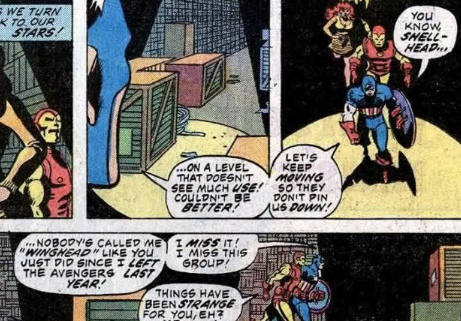
Iron Man = “Shellhead”

Captain America = “Cap,” “Winghead,” “Star-Spangled Avenger”

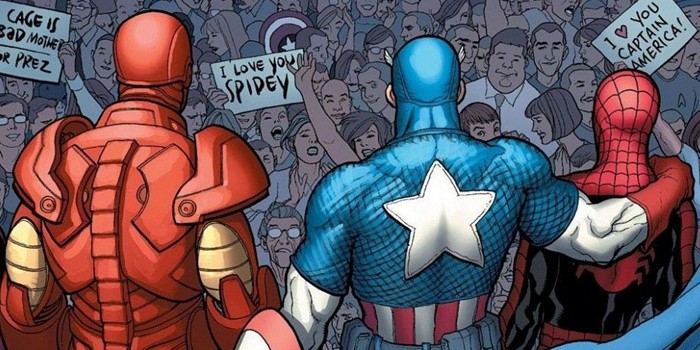
We come back to Captain America because it’s maybe the clearest example of a noble hero who’s legendary status is downgraded by casual familiarity.  And it’s not just by fellow heroes, but even by us regular citizens.

captain-america-kooky-quartet-107425

Call me a Stick-in-the-Mud (“Bromidic Bergman”), but superheroes deserve a little more formality.  The same goes for teachers.  Although it may seem cool for kids to use teacher nicknames, be careful with letting things get too capricious or contemptuous.

So whenever you hear a student or colleague refer to you as  “Mrs. T” or “Thompson” or “Yo, Teach,” gently remind them how they can address you more properly.

Just remember, it’s not “Mr. F.” It’s Mr. Fantastic.

Wieringo_reedrichards

And it’s not “Incredible;” it’s Mr. Incredible.

mr incredible

And it’s not “Marvel;” it’s Ms. Marvel.

Ms.-Marvel

Actually, the original Ms. Marvel goes by Captain Marvel now.

But never “Cap.”

Dress for Success

Standard

Back to school time is here, which means families are filling department stores to find the best bargains. But it’s not just students. Teachers are also looking to stock up on supplies and spruce up their wardrobes.

Take a look at a typical “Back To School” advertisement or website and you’ll see gobs of superhero clothing and accessories. Superheroes are famous for how they look just as much as they are for what they do.

IronMan

The good folks at Newsarama recently listed their “10 Best Live-Acton Superhero Costumes” and “10 Worst Live-Action Superhero Costumes.”

Here are some helpful lessons teachers can learn from these lists:

#1 – Maintain Functionality

Many of the “Best” costumes work because they look like something you could actually see in real life.  Rather than adhering too closely to garish comic book colors or styles, the designers keep things grounded and user-friendly.

TheDarkKnight Teachers should consider their daily tasks and possible actions, then dress appropriately.  Fabric that breathes, stretches, and covers is a must, along with some comfortable footwear.

Comfortable shoes, yes, but NO SNEAKERS (unless you teach gym).  Strapping on a pair of Asics Gel Virage 4 shoes is the quickest way to ruin an otherwise perfect teacher outfit.

Asics-Gel-Virage-4-Green-orange-White-Grey-Black-Silver-Red-Blue-Fluorescent-JYLRM

(It’s called “business casual,” NOT “business triathlon.”)

If you need super-supportive shoes that are also subtle, take a look at this list provided by We Are Teachers (although I squirm at the sight of #10).  This focus on footwear leads us to another lesson from live-action superheroes.

#2 – Focus on Simplicity

A quick comparison of the “Best” and “Worst” film costumes reveals a glaring difference in details.  In many cases, the outfits in the “Worst” category are just TOO MUCH.

BatmanAndRobin Resisting the impulse to add another buckle here or kneepad there, the “best” outfits keep it simple.  By doing so, these film versions highlight key elements that evoke iconic imagery.  In some cases, this means ditching the costume and favoring functional garb (see #1 above) with hints of style and symbolism.

Wolverine Teachers are iconic, and their choice of clothing should reflect their critical role in society.  Instead of chasing the latest fashion (floral vs. geometric print, fat tie vs. skinny tie, boot-cut vs. skinny jeans), focus on conveying an image that is classy and timeless–just like good teaching.

In case you think it’s passé to stick with the basics, take a look at two USA Today articles about teacher attire.  One is from 2003, the other from 2012.

Despite being nearly a decade apart, both articles list some of the same “Should’s” and “Should Not’s” for teacher apparel and appearance.  Neat and clean are always “in.”  Spaghetti straps, tight tops, short bottoms, excessive piercings and tattoos should stay out of the classroom.

#3 – Lean toward Conservative

We’re talking clothing here, not politics.  (Vote your conscience.)  In discussing attire, teachers should consider how to keep the focus on learning as opposed to fashion.

Whenever you struggle with what to wear, here are several mottos you can remember:  “Dress older.” “Dress like your boss.” “Dress for the job you want.”

HalleBerryCatwoman

“Teacher” is not the first profession that comes to mind.

These sayings will help with decisions as you stand in front of your closet.   Skewing conservative also works as you stand in front of the bathroom mirror.  Just like excessive makeup on movie superheroes, teachers with too much mascara will likely turn off their students.

#4 – Tone down the CGI

GreenLantern ‘Nuff said.

Hopefully these Hollywood examples will help teachers consider their choice of classroom attire.  For anyone wanting more ideas, check out this Education World article discussing jeans and flip-flops, or this About Education blog with useful guidelines, especially for younger teachers.

And remember:  Save the cosplay for your pets. Batman Dog

Summer Break 2015

Standard

It’s that time again when T4SH takes a short break during the summer months.

A break from lengthy blog posts, at least.  Look for resources, updates, and links via Facebook while you’re chilling out poolside, beachside, or inside.

bishop-front summer

Time-traveling X-Man Bishop proves that blue jean cutoffs NEVER go out of style. Just beware that nasty tan line.

BONUS!  Here are some blog highlights from the past academic year, if you need something to review and recharge your mutant teaching energy:

Teachers for Hire – Research and statistics on teachers’ time and money.

Question(s) and Answer – Resources and strategies for asking good questions in the classroom.

Flex Plan – Movie studios plan superhero movies YEARS in advance.  How far into the future should teachers plan lessons?

Fantastic Teaching – Timeless traits of effective teachers, inspired by Marvel’s First Family.

Weird Superpowers – Superman has some weird superpowers.  What’s YOUR weird teacher power?  (Hopefully it is not fake-super-flabby-arm.)

superman at beach

Take time this summer to work on your beach bod AND your classroom prowess.

Educatio!

Multiple Madness

Standard

Sadly, this entry does not feature one of my favorite superheroes – Jamie Madrox, a.k.a. The Multiple Man. But I’m going to include a picture of him (them) anyway:

Multiple Man X

On to business!

Warning: Today’s topic contains both intense geekery and buzzword-bashing. Proceed cautiously.

Blockbuster movies are not the only highlight of summer. It’s also the season when comic book publishers launch company-wide crossovers that promise to shake up a universe or two (or 52).

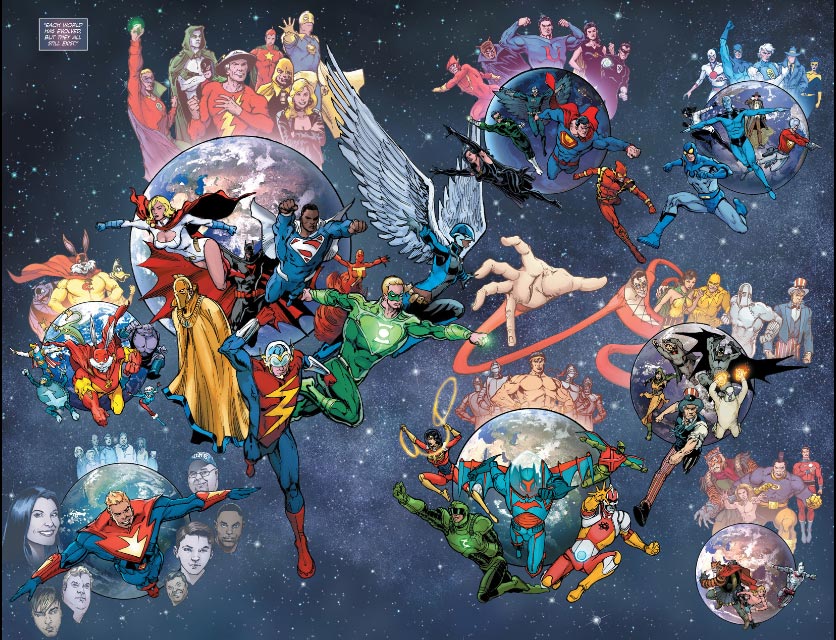
Marvel Comics and DC Comics have both blasted readers with major events this year. DC recently ran through a “Convergence” that ended with every version of its universe (pre-Crisis, pre-Zero Hour, pre-Flashpoint, etc.) returning to existence. That means every crazy version of familiar heroes and villains can appear in some form or another in one of several alternate universes, or multiverses.

convergencewrap1

Confused? Check the hyperlinks above to read more about DC’s habit of rewriting history in their comic books (“reboots”). And you can read more here and here, then impress your friends with a mindful of multiversity.

Reboots are Made for Walking . . .

DC rebooting its universe(s) is nothing new. But Marvel Comics has always prided itself on maintaining a single continuity in its main universe (called “Earth-616,” and don’t ask why).

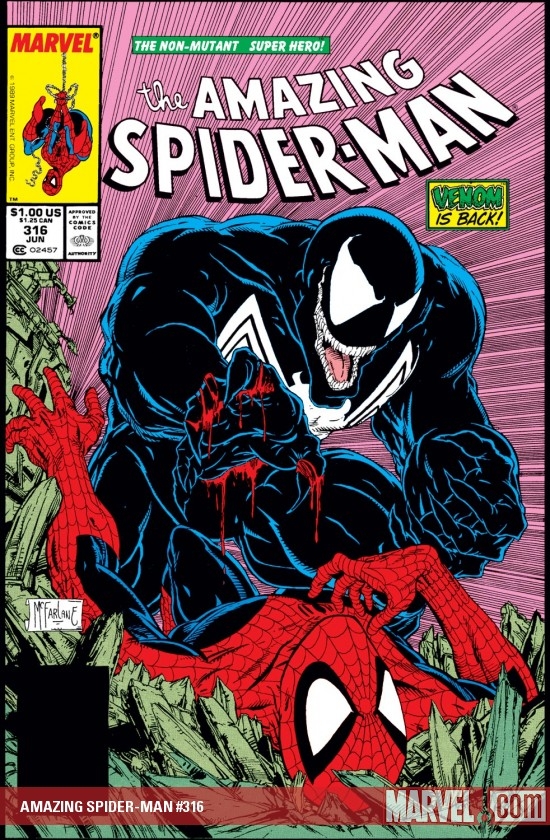
That’s all changed this summer, though, with Marvel’s tentpole production “Secret Wars.” If that name sounds familiar, the original “Secret Wars” (1984) was Marvel’s first mega-crossover teaming up all of its major heroes – Spider-Man, the Avengers, Fantastic Four, the X-Men, and more. Plus, it’s where Spidey got himself his snazzy black costume that . . . didn’t end well.

secret wars 8  spidey venom

In Marvel’s current 21st century crossover, every alternate universe (technically not the same as a multiverse; trust me) is starting to shmoosh into each other, with Earth as the epicenter.

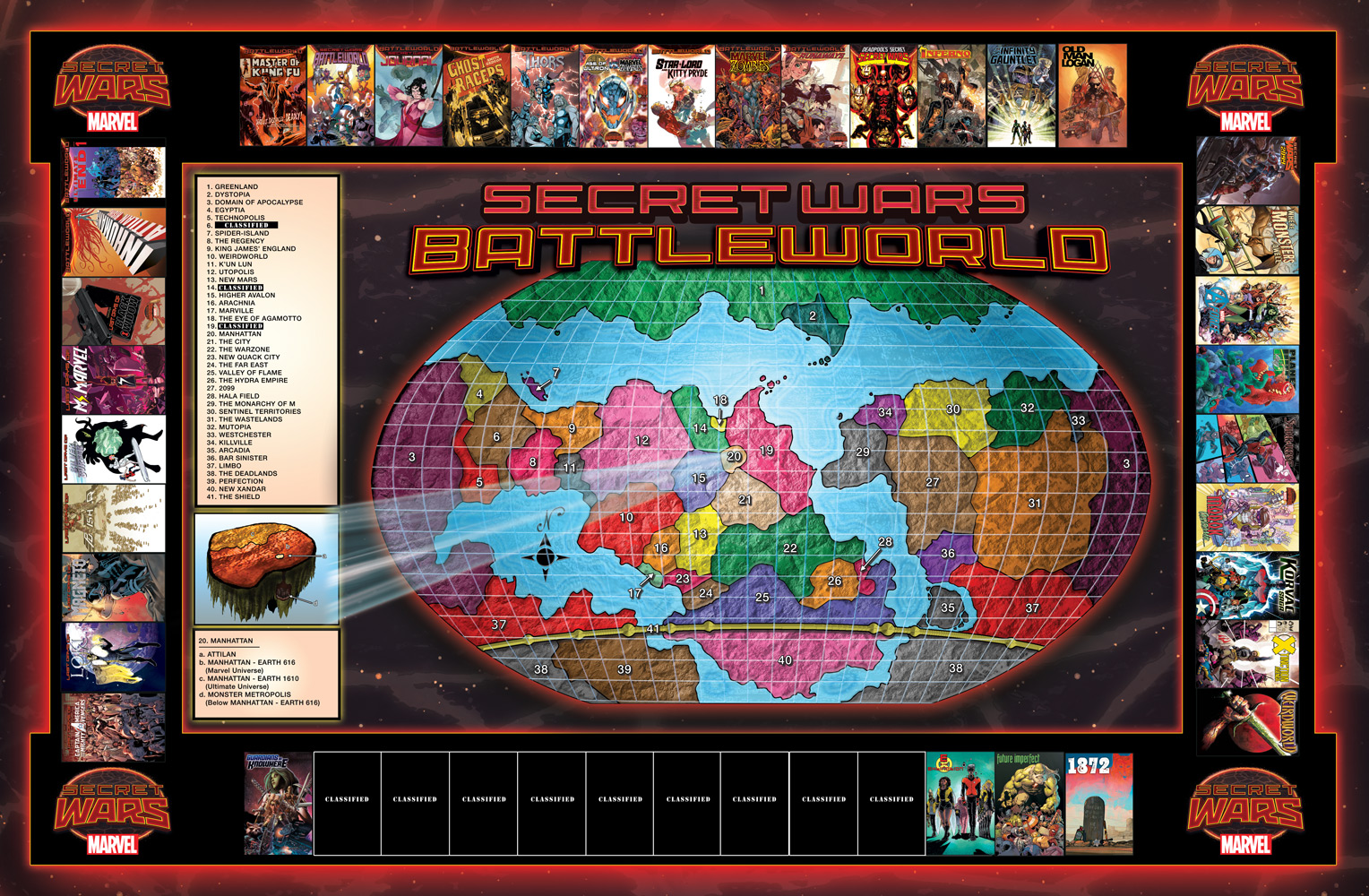
What results is a hodgepodge of alternative Marvel Earths mish-mashed all on one planet. This subsequent world is called “Battleworld,” where apparently assorted Marvel heroes and variations duke it out over land rights.
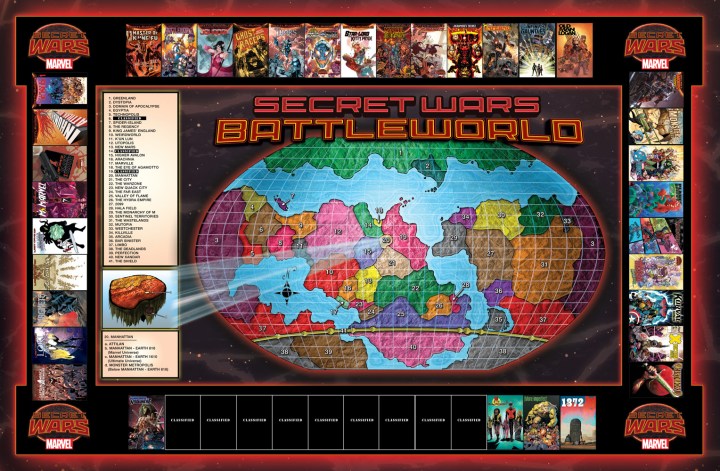
BATTLEBOARD

Actually, all of the post-Secret War/Battleworld comics look to be an excuse to revisit everyone’s favorite character or event from Marvel’s storied history. This nostalgia trip won’t last for long, with a finale that will “be the end of the Marvel Universe as we know it!”

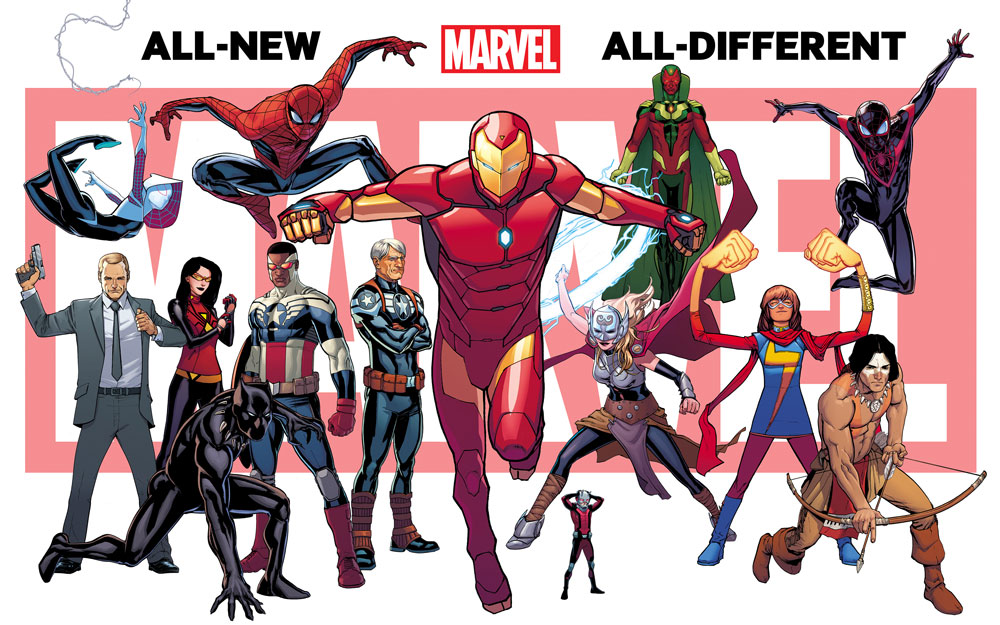
Just recently, Marvel has already given us sneak peeks at characters appearing in this “All-New, All-Different” universe.  Here’s a look:
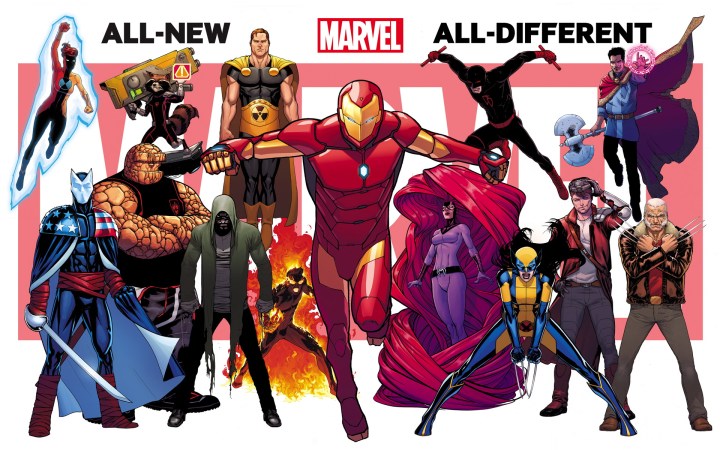
ANADMarvel2_June5

Who knows how long either of these nascent realities will last? In recent history, world-shattering moments seem to happen every other issue.

But, hey, it’s comic books.

My concern is not a glut of mega-crossover mini-series, but rather the stampede of super-heroes – namely different versions of the same ones. Take a gander at another Marvel “All-New, All-Different” lineup:

ANADMarvel1_sm

I count two Spider-Men, two Spider-Women (one is “Spider-Gwen”), and two Captain Americas (one is old Steve Rogers, the other the old Falcon). Look back at the first Marvel promo and find two Wolverines (one female, the other old Logan).

Duplicating heroes is one way to increase diversity. But it can sometimes dilute the specialness of super-heroes. I’m not just talking about spreading thin unique super-powers, but also decreasing high-stakes adventures. If a certain hero is facing life-and-death odds, it’s no big deal, since a copycat can fill any vacancy. And if your world blows up, just hop over to the next universe.

Right, DC?

convergencewrap2

Okay.  Rant over.

All-New, All-Different Rant.

Let’s talk about teaching and blow up some more multiplicity problems. “Multiple Intelligences,” to be precise.

Multiple intelligences is perhaps the most touted idea in education today. But in case you haven’t heard of it, here’s a recap:

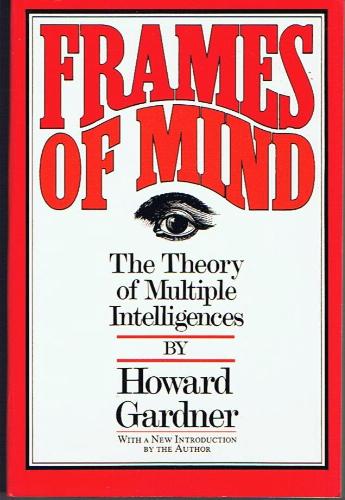
frames of mind

Back in 1983 (one year before Marvel’s first “Secret Wars”), Harvard professor Howard Gardner argued that a general intelligence (“IQ”) measure is insufficient, and proposed seven different “intelligences” one could possess.

MI pie smart

Most people have strengths and weaknesses around this pie, and are more comfortable in some categories (or combos) than in others.

Of course everyone has different strengths. They’re called talents. Skills. Natural abilities. Preferences. Interests. Comfort zones.

But Gardner labeled these categories “intelligences” and this notion took off like honey nut hotcakes. In fact, Gardner has admitted that his ideas wouldn’t have gotten so popular had he just called them “multiple talents.”

So what’s the problem?

Many educators – many with the best of intentions – latch onto “multiple intelligences” thinking they have to cater to everyone’s needs. Taken to the extreme, each topic to be learned requires eight different lessons or activities. That way you cover all the bases.

Another term that overlaps with multiple intelligences is “learning styles.” Educators frequently pigeonhole different students according to a specific strength or preference – visual, auditory, kinesthetic. Worse, students may self-label or assume the identity they’ve been assigned, with the notion that they are stuck in one role with no opportunity to grow or change.

To his credit, Howard Gardner has explained how his ideas of multiple intelligences are NOT the same as learning styles. This is helpful, as comprehensive learning relies on much more than just “style.” Moreover, research has found little evidence that matching teaching to a specific learning preference produces higher understanding. Unfortunately, such clarification is lost among the bulk of educational professionals and publications.

Mixed up reliance on “MI” and “learning styles” enables teachers, parents, and students who want excuses for an underwhelming performance. If Billy flunks his spelling test, that’s okay. Maybe he’s just a “kinesthetic” learner. Maybe he can form letters with his arms and legs. Or if Suzie struggles in math, just have her sing out her calculations. She does so well in choir, after all. She must be “music smart.”

Here’s another problem:  Some of these “intelligences” are more practical in everyday life than others. No matter how much you plead, no one will sing the ballot to you the next election day.  You have to read to vote. The next time you get pulled over for texting while driving, try explaining to the officer that you have interpersonal intelligence. See how far that gets you.

I’m not saying we should dismiss any student who doesn’t excel at a particular subject or skill. Celebrate their strengths. Find ways for them to use and share that talent. But don’t compromise content learning. And help people shore up their weaknesses.

By the way, for those who counted the Multiple Intelligences in that pie graphic up there (all you logical-mathematical studs), there are actually EIGHT intelligences. Gardner added “naturalistic intelligence” a few years later. And then there’s also “existential intelligence.” It’s all getting a little ridiculous, to the point where The Onion featured a parody article revealing the trials of students with “nasal intelligence.”

nasal learner

A nasal learner struggles with an odorless textbook.

So what should teachers do?

Dr. Gardner suggests three actions: 1. Individualize your teaching; 2. Plurarlize your teaching; and 3. Drop the term “styles.”  (Easy for him to say.)

If you want more concrete ideas, here are some quotes from reviews of the research:

From The Chronicle: “Teachers should worry about matching their instruction to the content they are teaching. Some concepts are best taught through hands-on work, some are best taught through lectures, and some are best taught through group discussions” (Glenn, 2009).

From the NSTA: “Using appropriate representations that carefully consider how to best convey the content is important. In addition, we need to scaffold between concrete and more abstract representations, being sensitive to the abilities of our students to handle abstractions. Finally, when students struggle to understand, we need to look at both the nature of the content as well as the prior experiences of our students” (Olson, 2006). 

This is a good start to wise planning and teaching. Click on the hyperlinked articles above for more in-depth reading and reflection.

Multiple intelligences – like multiple superheroes – can have some merit in the right context. But both can explode out of control and become gimmicky. Be wary of too much reliance and redundancy, resulting in loss of impact.

multiple supermen

Tech-No?

Standard
avengers line up

Turn around, Avengers – they’re right behind you!

The Avengers: Age of Ultron movie is out, and apparently it’s doing very well. I did my part by seeing the film twice (continuing education credits for my geek certification).

With box office business, there are always those “glass-half-empty” folks defining success. We’ve talked about “What is Success?” before, related to teaching and heroics. And last time we examined the issue of too much integration, whether it be heroes or school subjects.

This time, though, let’s dig deeper into one of the bigger topics in the film:

Technology gone wild!

ultron cover

Of course, the Avengers were worried more about global safety and saving human lives; but we can still tackle technology with respect to the classroom and student learning.

Since my background is primarily science education (see “geek” self-identification above), I’m going to concentrate on that specific classroom context. Focusing on a single subject, however, still results in fuzzy conclusions.

virtuallab

For example, here are a few reports on research examining virtual versus hands-on lab activities:

– Students (elementary/primary age) participating in virtual activities (3D animations, interactive) showed significantly higher scores in cognitive understanding compared to those in a traditional setting (El-Sabagh, 2011).

– Overall, no significant differences in learning gains have been found between virtual and traditional hands-on labs in college (Hawkins & Phelps, 2013).

– Although college students report liking virtual-type labs (easy and quick to do), they feel they would learn more by doing real world labs as well (Keeney-Kennicutt & Winkelmann, 2013).

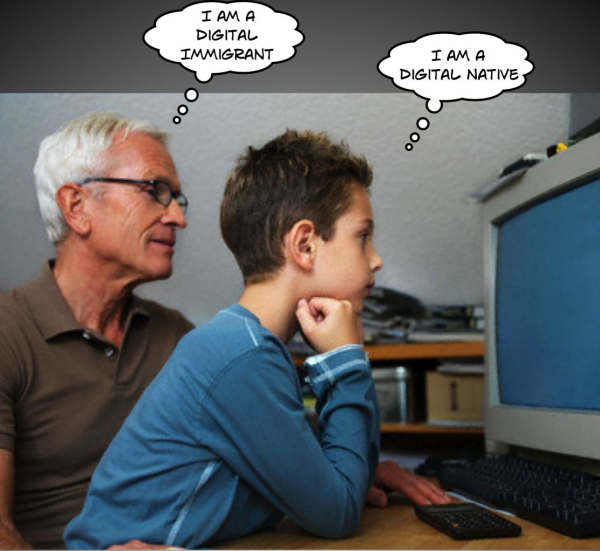
It’s worth noting that–in these studies, at least–younger students responded more favorably to technology-based activities than older students. One could claim this is because today’s younger students are more exposed to technology than older students.  (It’s the old digital native/digital immigrant demarcation, although hasn’t everyone gone native by now?)

native immigrant computer

You could also argue that older students are more reflective about their educational experiences and recognize what’s needed for robust comprehension.

Age differences aside, I’d argue that there needs to be a balance between old-school nitty-gritty hands-on lab activities and fancy-schmancy whiz-bang virtual activities.

– Since both virtual and hands-on labs have their advantages and disadvantages, blending the two throughout a course may have the most benefits for learning and motivation (Abdulwahed & Nagy, 2009).

– A recent study at Carnegie Mellon University focused on young students (ages 6-8) and found that participants using a “mixed-reality set-up” of both real and virtual components learned five times better than those using virtual-only features (Yannier, Koedinger, & Hudson, 2015).

So maybe student age doesn’t have anything to do with it. Have we solved the technology problem? I’m afraid it’s a never-ending issue, a never-ending battle all teachers face.

As teachers, we must be ever-vigilant about technology use in our classrooms, and I’m just not talking about keeping an eye on our students’ computer and tablet screens. We must also be sure our technology use actually enhances learning, as opposed to hindering authentic understanding. In other words, technology must remain our friend, not our enemy.

ultron comic hug

A little TOO friendly, Ultron.

Let’s use an analogy from Avengers: Age of Ultron (slight spoiler alerts follow, yo).

Some humans (i.e. some teachers) see a new technology as the answer to all of our big problems, akin to Tony Stark’s vision for a global protector. More often than not, what actually comes into existence is a shaky, slightly grotesque prototype.

ultron 1

A few missteps should be expected. Problems occur, however, when misguided plans typhoon into blind initiatives touting innovative, revolutionary, and other game-changer buzzwords.

Over time, the technology transforms into sleek, next-generation models. Updates happen so fast that we must keep up for fear of being branded “obsolete.”  (Not that far from “oblivion.”)

ultron blasting

You’ve seen the trailer, right? Watch this one again, looking for a classroom metaphor. (Hint: All the evil robots are iPads.)

I’m no technophobe. This is a blog article. With pictures and video. I’m typing this sentence using my MacBook Pro. (It hasn’t eaten me yet.) I love indoor plumbing. Big fan of electricity, too. Wi-fi? =hugs=

But as much as these advances make life more pleasant, we must be careful to ensure technology is the tool, not us.

For a more thorough examination of this topic, take a little time to review Olson and Clough’s 2001 article entitled “Technology’s Tendency to Undermine Serious Study: A Cautionary Note.”

If you have a lot of time, check out a book Olson and Clough helped put together called “The Nature of Technology: Implications for Learning and Teaching.” It has all kinds of chapters dealing with issues of technology use in the classroom. As a bonus, here is the book’s cover, which by itself should give you pause and something to think about:

NOT book cover

Technology by itself is not the problem. In Avengers: Age of Ultron, the good guys (and gals) used all kinds of technology–Quinjets, holograms, and even Hawkeye with his bow and arrows. Throughout history, the classroom has been a hub of technology, be it chalkboards or SMART Boards, pencils or tablet styluses.

The ultimate “bad guy” in Avengers was not technology, but misguided Artificial Intelligence (A.I.). Likewise, teachers must battle the dangers of artificial intelligence, instead fighting the good fight for authentic learning and meaningful application.

Heroic Integration

Standard

It’s been a while since our last blog post and we have all kinds of critically important issues to talk about, starting with . . . OH YEAH!  AVENGERS: AGE OF ULTRON super-duper blockbuster opens THIS WEEKEND!  

ageofultron

The latest greatest superhero movie can provide a useful springboard for exploring the dangers of relying too much on technology (e.g. resulting in an evil sentient robot that tries to kill all humankind). Forget a vengeful Ultron or iPad; beware of students plugged in but tuned out to meaningful learning.

We’ll table that discussion for another time, however, given recent chatter about another famous Marvel character who may possibly join Earth’s Mightiest Heroes on the big screen:  Spider-Man.

avengersassembled-the-future-of-the-avengers-marvel-s-plans-robert-downey-jr-spider-man

Thanks to Photoshop, we already have a poster!

Like Captain America and company, Spider-Man is a mainstay Marvel Comics character. But up until now, everyone’s favorite web-slinger has appeared in his separate series of movies due to film rights owned by Sony Pictures.

spidey and avengers panel

Confused? Don’t worry, because bigwig producers have signed important papers and the stars have aligned and now Spidey can swing along with the Avengers in the official “Marvel Cinematic Universe,” or MCU.

Fan reaction has been understandably joyous, given the potential team-up between Marvel’s flagship hero and Marvel’s flagship hero team. Heck, the good folks at IGN have already imagined what Age of Ultron would look like with Spider-Man in the mix.  Take a look at their trailer here, if you’re curious.

Enthusiasm has erupted for integrating even more heroes in the movies. Speculation abounds if Marvel’s other movie heroes – the X-Men, the Fantastic Four – could ever merge into the MCU.  Even Wolverine’s Hugh Jackman wants to join in the mix.

00c

Coming to a movie theater near you?

Such integration of superheroes (a.k.a. worlds colliding) may appear as a bounty of riches; but there could be a downside.

Ever heard of too much of a good thing?

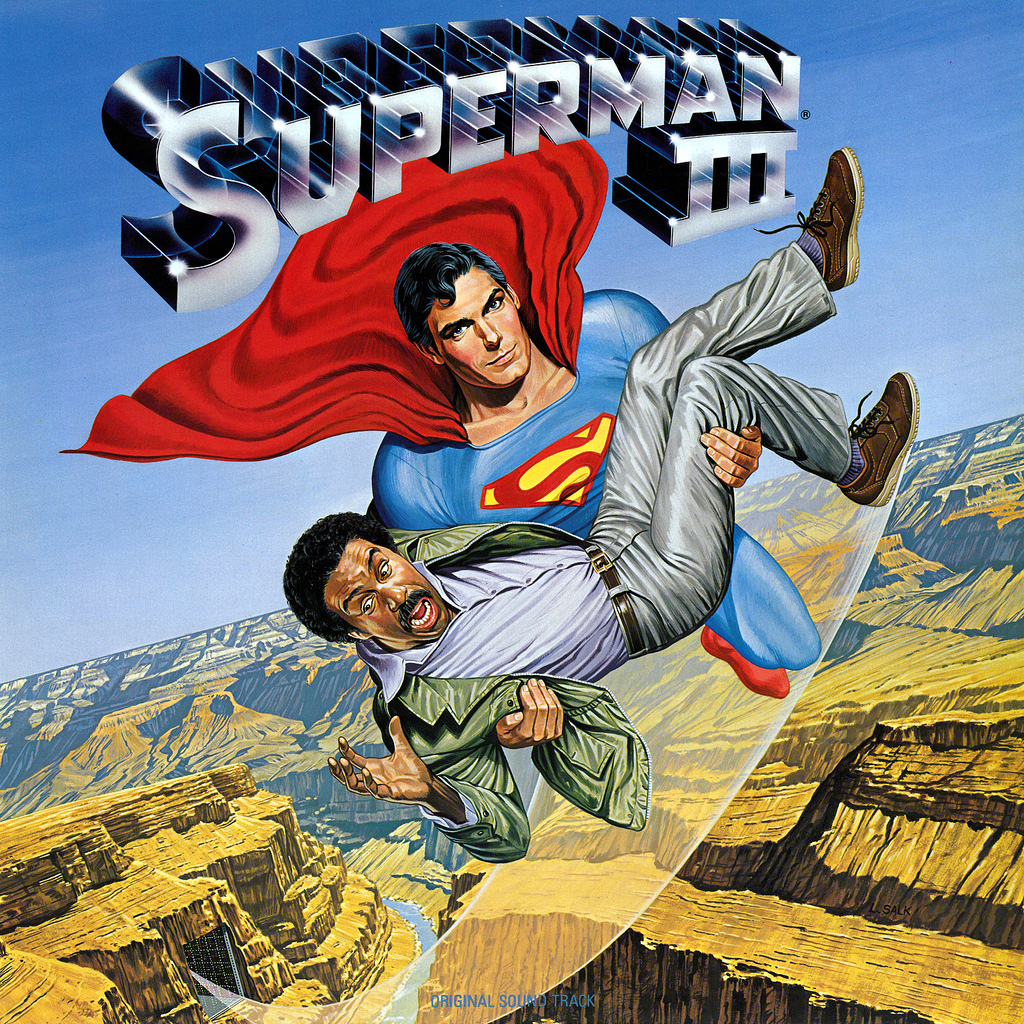
A common feature of disappointing superhero movies is a glut of characters in the script. Spider-Man 3 had Sandman and Venom and the Green Goblins clogging the villain faucet. Batman & Robin was actually Batman and Robin and Batgirl and Poison Ivy and Bane and Mr. Freeze. Superman III had Richard Pryor.

Superman3

Proving that “Two’s a Crowd.”

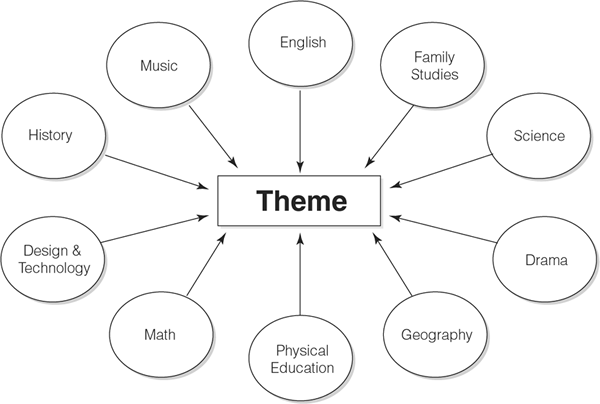
Curriculum Integration in schools is another appealing mash-up that may have a hidden downside or two.

Curriculum Integration image

Basically, integrating curriculum is what teachers do when they teach lessons combining two or more major subjects or disciplines. Examples are as obvious as teaching algebra and graphing with a science experiment, and as unique as an instructor’s imagination. I know of a middle school that features a building-wide interdisciplinary unit all about the Greek Olympics. Every class studies some aspect of the ancient athletes – math, history, language arts, visual arts, science, P.E., and more.

Olympic_Rings

Sounds neat, right? And perhaps a little daunting to pull off, given the coordination of teachers, resources, and activities. But that’s just a challenge, not the downside. The upside is collaborative educators and students energized by explicit and relevant connections among various scholarly endeavors (subjects).

The danger of curriculum integration in classrooms is similar to those in superhero movies. Cramming in too much can end up in confusion and misconceptions. Content may be watered down, spread thin, or lost in the shuffle.

Take a minute to look at this article, “A Caveat: Curriculum Integration Isn’t Always a Good Idea,” by Jere Brophy and Janet Alleman for a more robust examination of this strategy. Better yet, print it out and read it while you wait in line for your Avengers movie tickets. Or download it on your portable digital device.

Technology can be great. So can curriculum integration. Just be careful.

Super Women (and Men)

Standard

March is Women’s History Month, and Edutopia has provided several lesson ideas teachers can use to help students examine “women’s contributions, struggles, and triumphs throughout history.”

In recent history, Marvel Comics has given more support to their female superheroes, with solo titles starring a new Ms. Marvel, Captain Marvel (the old Ms. Marvel), Black Widow, Spider-Woman, and much much more . . .

An all-female X-Men team stars in the relaunched comic book X-Men.

XWomen

Why not “X-Women?”

An all-female Avengers team will soon star in a book called A-Force.

AFORCE-1

Better than “FemForce,” although such a comic DOES exist.

Heck, even Thor is a woman right now, which hasn’t pleased everyone.

thor female

If I had a hammer . . . . I’d shatter the glass ceiling.

For their part, DC Comics has recently given Wonder Woman long sleeves:

new wonderwoman costume

Speaking of Wonder Woman, Harvard professor Jill Lepore’s The Secret History of Wonder Woman has earned all kinds of praise and prizes for its examination of the iconic super heroine’s creation as well as women’s history in the 20th century, which circles us back to the start of this blog post.

What does this have to do with teaching?

For better or worse, teaching has often been looked as a “woman’s profession.” In fact, another Harvard-based publication refers to teaching as “Woman’s ‘True’ Profession.”

While this notion may help to empower women and celebrate their impact on society, it can also lead to fewer men working as teachers, especially with younger grades. For example, a study in England found that 25% of all primary schools are staffed entirely by women. Is this good or bad? As a happily married male, I will respectfully and delicately sidestep that discussion for another time.

Another study in England found that women are disproportionally fewer in roles of “headteachers” and “school senior leaders” (translation: administrative and school leadership roles). Such a gender imbalance is probably not a good thing.

Male or female, super-powered or human, Marvel or DC, all teachers play a vital role in successful student learning. Or, as one new book says, “it takes team effort:”

it takes team effort book

“Men and Women working together to enhance children’s lives.”

That’s a wonderful thing.