Take Care of Yourself*

Standard

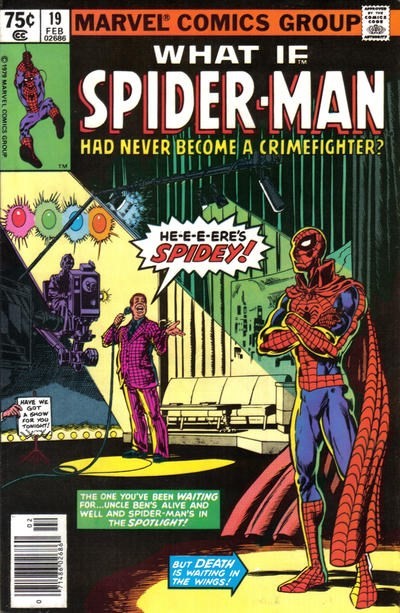
Thunderbolts* is the newest movie in the Marvel Cinematic Universe (MCU), and it’s a good one!

So good, in fact, that it got a brand NEW title right out of the gate (spoilers ahead, of course):

Beyond the clever name change (i.e. marketing ploy), the film itself is memorable for its meaningful look at mental health. Numerous news outlets have explored this key ingredient in the film, including interviews with the film’s creators and stars (such as this article from Entertainment Weekly).

Like the superheroes (super-spies? super-thieves?) in Thunderbolts*, educators also face challenges with stress and self-care.

In one survey, teachers and principals both fared worse than other working adults in multiple mental factors. Here’s a visual summary courtesy of the folks at Education Week.

Granted, this report is from 2022 as schools were crawling out of a pandemic shadow. Still, a more recent study finds similar issues, as indicated by its title, “The Teachers are Not All Right.

In better news, things are improving with educators’ awareness and ability to find help. Another Education Week survey found that teachers are better at supporting one another in their work. Check out this nifty graphic summary:

In the linked Entertainment Weekly article above, actress Florence Pugh elaborates on the importance of collaboration and kindness:

“[T]he real message is we have to be together. We have to connect, we have to help each other. We have to be humans and actually care, and love, and look after each other. And that is the key.”

She’s talking about fictional superhero characters, but the same holds true for real teachers in real life. Amid a notoriously labeled “isolated profession,” educators must seek support from each other AND for each other.

Even so, don’t rely on colleagues to provide and receive all necessary assistance. There are numerous resources from health experts and professional organizations, some of which teachers can use with their students.

Don’t wait for a crisis or summer break. Find people and services that can help you now, and help others do the same.

*And each other.

Superhero Shuffle!

Standard

No, the “Superhero Shuffle” is not the latest dance craze (yet).

But I’ll still use any excuse to share this fabulous comic book page of Clark Kent dancing. Shake that Super Bootie!

Instead, this blog is about shuffling CARDS — namely playing cards that teachers can use for different cooperative strategies in the classroom. Ante up!

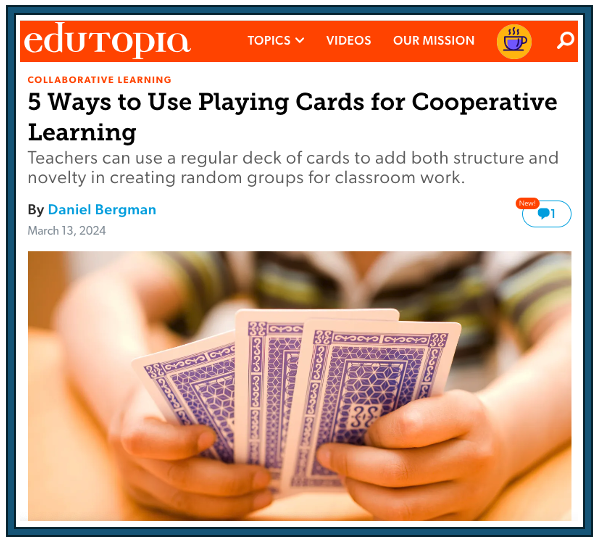
Check out this NEW article I wrote for the great folks over at Edutopia, and try out one of these strategies with your students.

Just be sure to let your students–and colleagues–know that no one is gambling.

And to get back to superheroes, here are some heroes (and villains) famous for their card-themed connections. Deal me in!

Excused Absence?

Standard

You may think this blog’s title refers to the relative lack of new posts in recent months. 

I wouldn’t blame you. Hopefully we’ll get back to a semi-regular schedule soon.

But I’ve had my reasons for such blog-paucity. It’s been a busy fall semester. Exhibits A-J . . .


Actually, the topic of “Excused Absences” comes from a social media post by Marvel Studios.

Check out this “Permission Slip” fans can use to skip school or work (or both if you’re a teacher). 

What’s your reaction to this note? 

  1. Ha! That’s funny.
  2. Hey, that’s not a bad idea.
  3. Gasp! How dare they make light of skipping school and/or work, especially in light of data on chronic student absenteeism and the detrimental effects on learning and retention?

If you responded closest to #3 above, chances are you’ve had some prior experience with students that miss or skip classes. 

(Still, I’d hope you can take it as a clever joke. And maybe sympathize with those of us excited to witness two landmark events in the wider Marvel Cinematic Universe.)

But since the issue is on the table, let’s look at students who miss school. And if it’s any encouragement, superheroes go missing all the time . . . .

Focusing on STUDENTS, the causes and effects of missing school are diverse and interdependent. For example, is a student not doing well because they are missing class, or are they missing class because they are not doing well? 

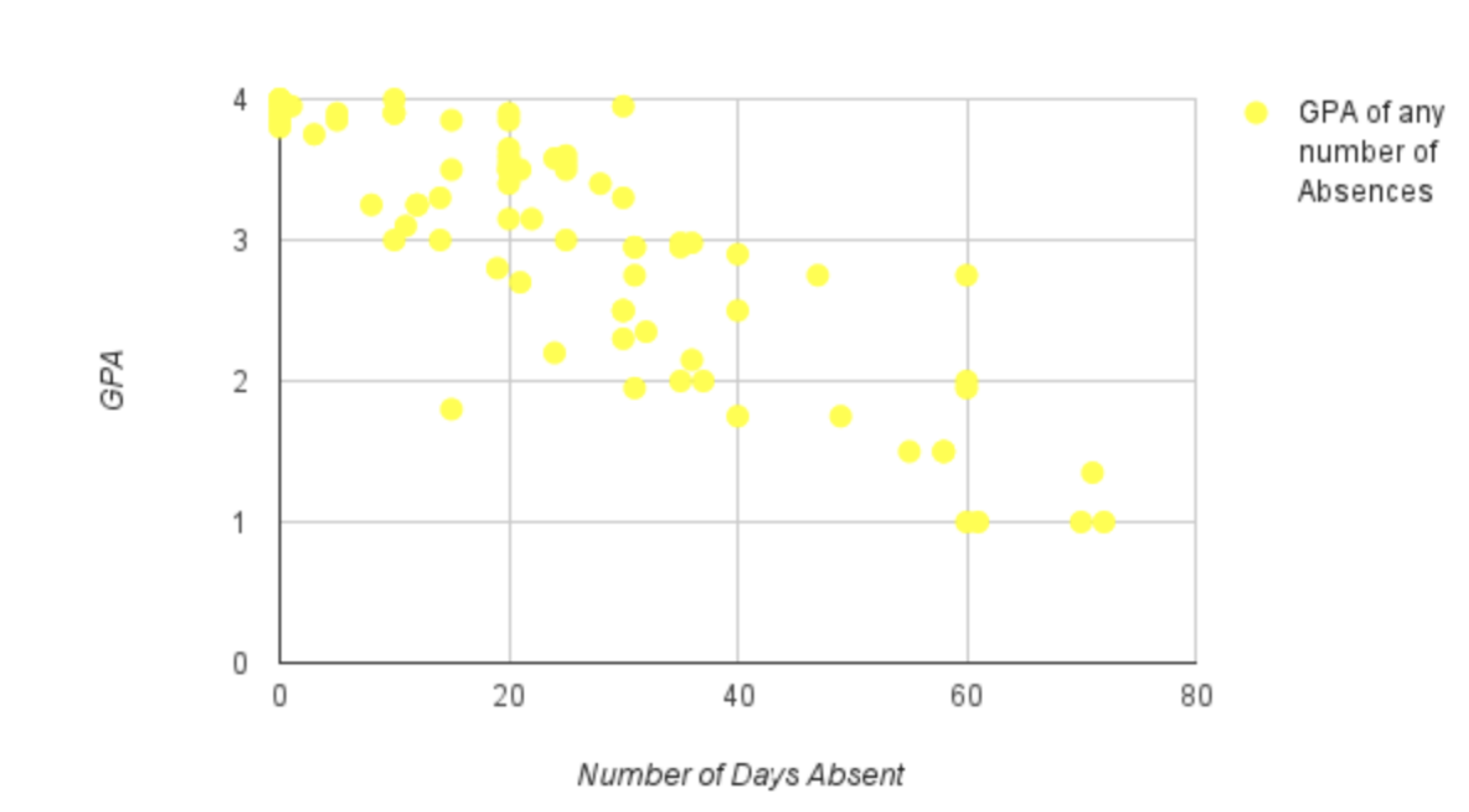
Regardless of causation, we can clearly see correlation. Here is a graph based on data of students in my university, courtesy of our Office of Academic Affairs. 

Sure, there are outlier individuals who buck the trend. But overall, it’s not too hard to notice that the more classes you miss (Number of Days Absent), the lower your overall grade point average (GPA).

You can find all kinds of data and research on this important issue, including the ones listed here.

(Notice this topic is so crucial that even the White House has an official position statement on the matter!)

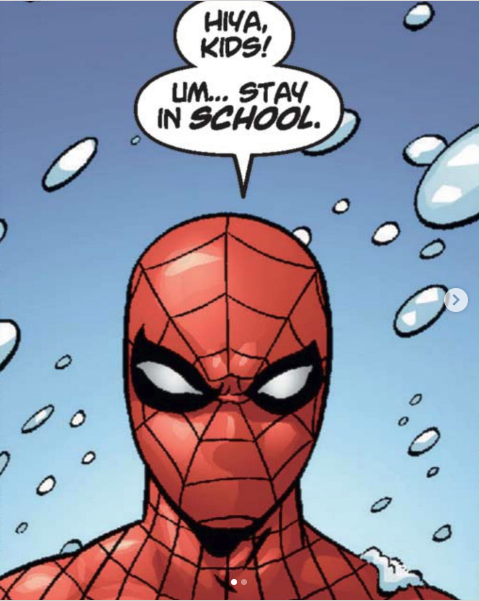
No big surprise, then, that a general rule of thumb is “Stay in school, kids.” 

See? Even Batman and Spider-Man agree!

Easier said than done for some, of course. Start with the list above for resources to increase attendance and engagement.  

And please share what you and your school do to help invite and retain students. Successes? Struggles? Lessons Learned? Advice to Share?

We welcome your feedback! (And will even write you a note if you need one.)

Know Thy Enemy

Standard

Ant-Man and the Wasp: Quantumania has been out in theaters for a while – and the film is HUGE fun!

It’s no secret that the “big bad” villain in the movie is Kang the Conqueror, but we won’t say anything more about his motivations or machinations.

(That would be a “spoiler.”)

Still, a lot has been said already about Kang (and actor Jonathan Majors), with his introduction as the next major antagonist in the Marvel Cinematic Universe. We’re talking Thanos-level malevolence here.

Both look great in purple, too!

Understandably, people want to chat about Kang the Conqueror–his backstory in the comics, potential connections to MCU shows and films, his powers and motivations, and much more. But we won’t dive too deeply here, to avoid any spoiler territory. (If you’re curious, click on any of the links in this paragraph and speculate away.)

All this talk about the next new villain got me thinking about teaching. If teachers are like superheroes, then who plays the “villain” role?

Who is YOUR archenemy?

Or at the least, who’s your rival?

Or maybe just someone who bugs you. Whether they know it or not, sometimes this person drives you nuts.

To help reflect on educational antagonists, look at classic superhero/villain pairings.

Sometimes they are complete opposites. Superman is super-strong and a “boy scout.” Lex Luthor is super-smart and a malicious “man-child.” Or contrast the stoic, calculating Batman with the crazy, maniacal Joker.

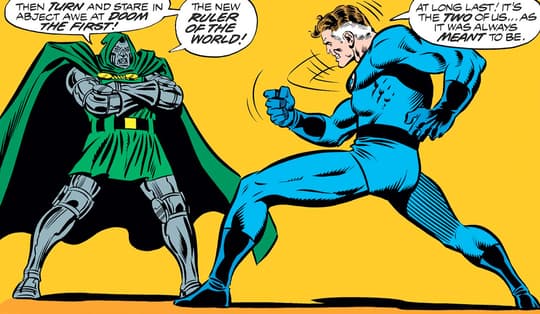
Archenemies can also be too much alike. Their mutual strengths create immediate conflict. Think of Wolverine and Sabretooth, both with claws, feral fighting skills, and healing factors. Or consider the intellectual enmity between Mr. Fantastic and Doctor Doom.

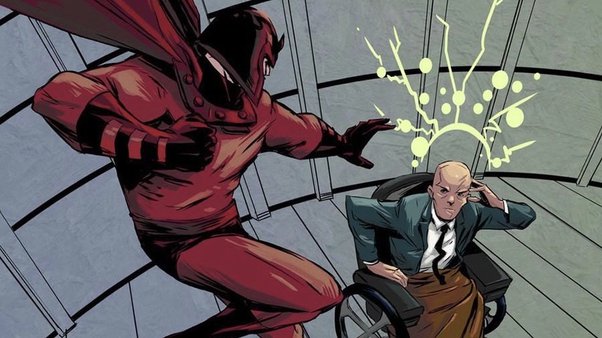
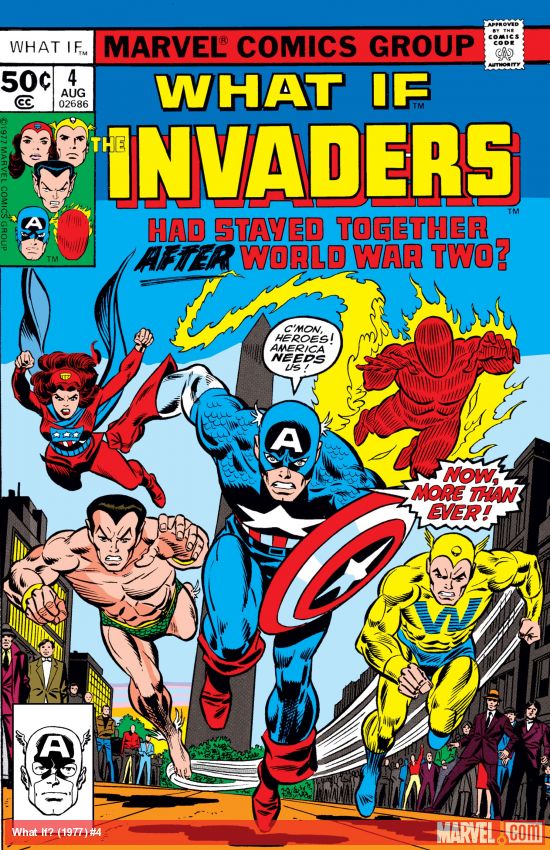
Another source of friction is a fundamental difference in ideology. Professor X seeks peaceful coexistence between mutants and humans, whereas Magneto prefers violent uprising and mutant dominance, no matter the cost. Captain America and Red Skull epitomize the Allies vs. Axis sides of World War II.

Remember, these examples are fiction. Superhero/villain matchups are mere illustrations for the types of conflict that can occur between two real people. I sincerely hope any opposition in schools is much less vindictive and destructive.

As teachers, we should use moments of disagreement as opportunities to model healthy communication and compromise. Remember, your students are watching!

Ideally, we can seek “win-win” solutions.

That said, something (or someone) that is unethical or illegal should NOT win.

I remember a high school principal explaining one experience he had where “win-win” was not a viable option. Their school building was facing increased pressure and influence from violent gang activity. This principal shared how their school staff, students, families, and community banded together to find a “win-lose” solution: they were going to win; the gangs were going to lose (and leave).

Hopefully, the day-to-day conflicts and friction teachers experience are not as dire. And in any case, we can focus on productive (and creative) outcomes, with student learning and growth as the ultimate goal.

Here are just two resources for working with others (including those you can’t stand):

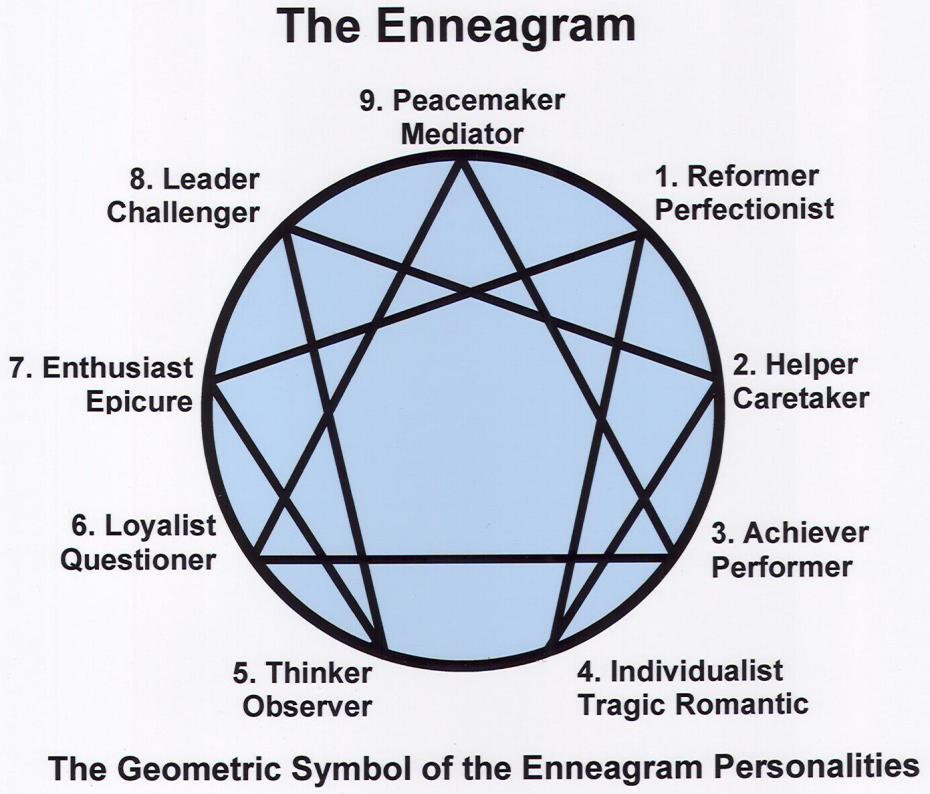
-Enneagram Personality Types and Relationships

-Enneagram Types at Work

Workplace Triggers based on Enneagram Type

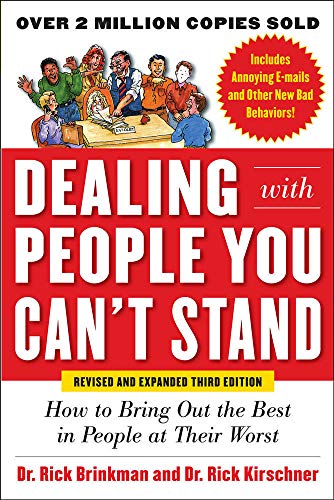
Dealing with People You Can’t Stand (book)

-Dr. Rick Brinkman: The Top 10 Difficult People (video)

-“Ten most unwanted list” and Summary from What You Will Learn (podcast/blog)

Imagine what would happen if some of our superhero/villain pairs paused to review these materials. Maybe they could even sit down and work out their differences.

Or maybe not.

But what about YOU?

And who exactly is a teacher’s REAL archenemy? Moreover, how do we “fight” them?

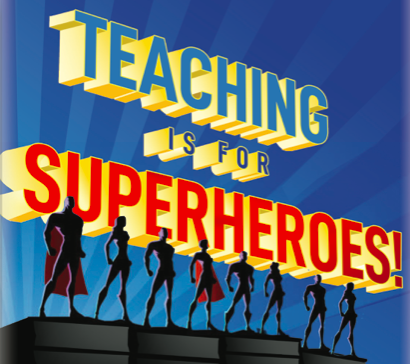
If you want the actual answer and action steps, check out Chapter 8 in my book – Teaching Is for Superheroes!

(That’s called a “teaser.”)

25% off!

Standard

The number 25 is very important. All kinds of great things happen in the 25th issue of a comic book.

In Avengers #25, The Avengers fight Dr. Doom. In Iron Man #25, Iron Man fights Namor the Sub-Mariner. And in Action Comics #25, Superman fights . . . uh, “Amnesiac Robbers.”

And now 25 makes another grand appearance.

For a limited time, you can PRE-ORDER my new book, Teaching Is for Superheroes!, at Barnes & Noble with a 25% off discount!

Use the code PREORDER25 at B&N’s website. You can find my book at https://www.barnesandnoble.com/w/teaching-is-for-superheroes-daniel-bergman/1142495826?ean=9781394153732.

Keep in mind, this is a limited time discount, expiring January 28, 2023 at 2:29am (exclusions apply).

After that, this discount will be forgotten, like Superman’s Amnesiac Robbers.

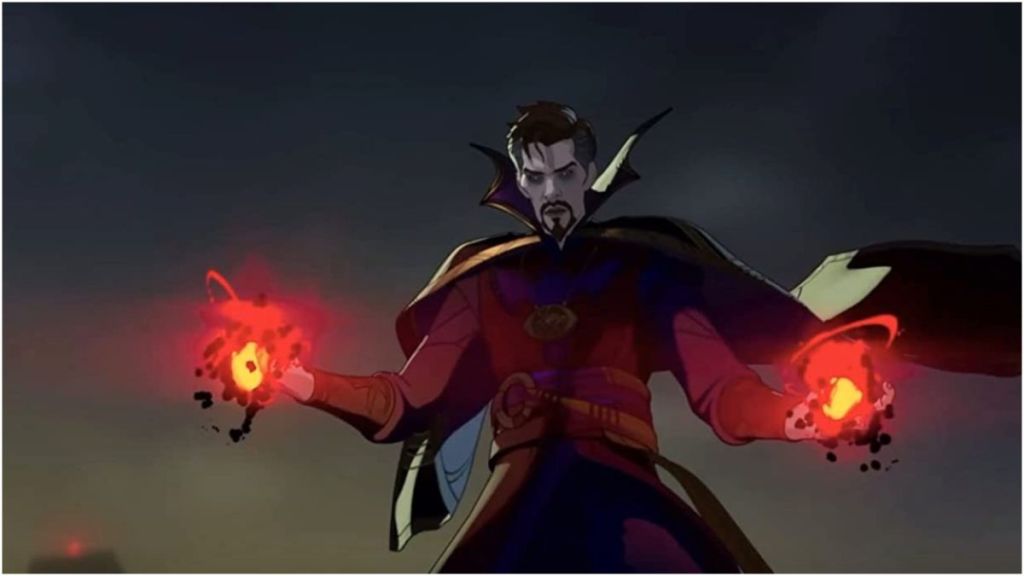
“What if . . . ?” and More Marvelous Questions

Standard

The latest Disney+ Marvel series is new in a multitude (multiverse?) of ways.

First, What if . . . ? is noteworthy as the first animated show in the Marvel Cinematic Universe, or MCU. (Spider-Man: Into the Spider-Verse doesn’t count . . . not yet, at least.)

Second, What if . . . ? is significant since it explores all kinds of hypothetical storylines in the MCU. The series takes well-known characters and contexts of the films and follows different routes. (Remember when the first Avengers movie combining multiple film heroes was considered a risky idea? Look how far we have come!)

So far, we’ve seen different characters taking the mantle of significant heroes (Captain America, Star-Lord), as well as heroic characters doing unheroic things. In addition to the allure of endless possibilities, the What if . . . ? series is enjoyable because these alternative tales come in bite-sized episodes. Even so, some of these scenarios have potential for all kinds of fun adventures and far-reaching ramifications.

As a testimony to the power of “What if . . . ?” consider how there are 200+ issues of this comic series, begun nearly 50 years ago. As creators publish stories in “regular” comics continuity, other writers can explore branching paths and possibilities.

The question “What if . . . ?” can foster similar results in the classroom. Past blogs have written about the power of questioning, which you can check out HERE and HERE.

It’s important to remember not all questions are equal. Some are more effective in cultivating engaged and reflective students. Below is a list of potential questions teachers can ask to facilitate, encourage, and assess students’ learning.

  • “What if . . . ?”
  • “For what reasons . . . ?”
  • “What do you think could happen if . . . ?”
  • “How might that compare with . . . ?”
  • “Why might . . . ?”
  • “Where else could we . . . ?”

These are just some examples, and I’ve shared more in a recently published article available HERE. Note that NONE of these questions can be answered with a simple “Yes” or “No” or similar dichotomous response.

In other words, students have to go further and THINK about the topic in a more robust manner. Moreover, there’s less chance they can “fake it” or just guess an answer. Often, such work promotes collaboration and communication.

Such open-ended questions may not catalyze a zany tale about alternative Avengers, but they can produce meaningful learning.

One caution is to beware of counter-productive conversation. When dealing with open-ended questions like “What if . . . ?” there is potential for students to go down pathways the teacher did not intend. While this may add to creativity and application, it could also veer into darker territories. Just consider some of sadder episodes of What if . . . ? we’ve already seen, in which [Spoiler Alert] a hero becomes the villain, or ultimately destroys their world.

Hopefully your classroom won’t pivot to such hopelessness. Still, be mindful of keeping students on-task and oriented toward learning goals. Even when using open-ended prompts, teachers can guide student thinking toward intended outcomes. Such parameters could be as simple as time limits or brainstorm boundaries. For example, a science teacher might pose a challenge that prompts investigation, but requires students to use only certain materials or technology. Sometimes this is called a “testable question” in science classrooms.

No matter the subject, teachers can be purposeful in using “What if . . . ?”-type questions to get the full effect. For inspiration, consider how masterminds behind the MCU have carefully scheduled and set up movies, television shows, specials, etc. Each production features minute details and allusions that result in monumental meaning in subsequent films. (For example, it’s no coincidence that What if . . . ? has come out between the Loki television series and the upcoming Spider-Man: No Way Home film.)

Teachers don’t have the multi-million dollar movie machine like the MCU, but they can still be intentional and inspirational by providing creative, challenging, and coordinated questions for their students.

Just imagine . . . What if . . . ?

Magic of Meta

Standard

It’s been such a crazy year and a long time since our last post. As evidence, check out this more recent pic of the previous blog’s cute kitten:

Change is actually the topic for this blog. In particular, let’s look at the transformation of superheroes and teachers.

(Slight Spoilers Below!)

Televised Transformations

The new Disney+ show “WandaVision” has been a love letter to sitcom television through the ages. Although it started as a unique gimmick, the episodic show slowly revealed a larger narrative and connection to the Marvel Cinematic Universe (MCU).

Along the way, viewers got to enjoy a loving homage to past and present TV shows from “I Love Lucy,” “The Brady Bunch,” “Family Ties,” “Modern Family,” and more.

Interestingly, despite advances in technology and techniques, “WandaVision” as a show didn’t stray much from the standard sitcom formula. Even though styles changed over the decades, each 30-minute episode featured similar jokes, hijinks, character interactions, and more. (And if you’ve seen the show, you might notice parallels to the grieving process.)

True change finally occurs when a new element is introduced. Namely, magic.

Hints of the supernatural popped up throughout, but it wasn’t until “WandaVision” was halfway over when the series truly transformed.

Change in Schools

Teachers, think about the analogy to education. Schools and classrooms are notorious for slow transformation.

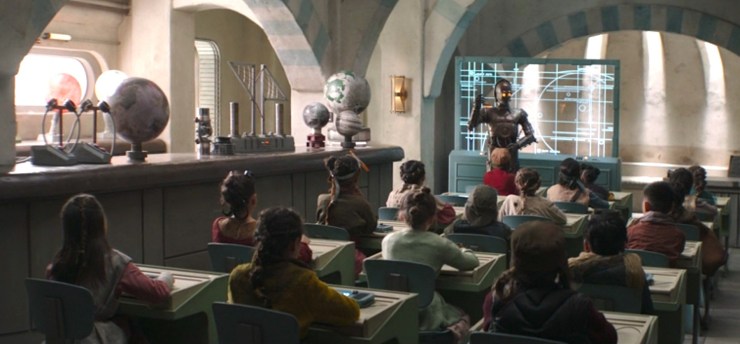
Take a look at the following slideshow of classroom photos and notice the similarities over the years.

One of these classroom images isn’t even a REAL school. It’s from the Star Wars show “The Mandalorian.” If that story takes place “in a galaxy far, far away,” it shows how widespread and ingrained our cultural view of schools reaches.

This is not to say that a certain formula is always bad. On the contrary, it often helps to follow a standard template and procedure. If it ain’t broke, don’t fix it.

That said, the best teachers (and schools) strive to always get better. That pursuit of improvement requires transformation, which might involve drastic changes from time to time.

The show “WandaVision” demonstrated that minor changes can occur over time, but true innovation requires something more, something magical.

So Meta

A lot of the fun from “WandaVision” has been its meta-commentary on television eras and cultural norms. This involves stepping back from the story and reflecting on the larger picture. The same happens to the characters in the show.

In order for education to improve, teachers and schools must take time to “step back” and reflect. Research on learning supports the powerful role of “metacognition,” or “thinking about thinking.” Educators are encouraged to use metacognition strategies to help students learn, and we should do the same for our own growth, learning, and change.

Metacognition may not be magical, but it can certainly lead to metamorphosis.

Summer Break 2019

Standard

Happy Summer Solstice for all of you in the Northern Hemisphere!

SolsticeDCU

Check out “Five Fun Facts” about the longest day of the year.

Since it is officially summer according to astronomical coordinates, it’s time to officially celebrate summer for every teacher (even if you are still in a classroom somewhere).

For teachers who need something to do over the “break,” read the following resources:


You can also take a look at some highlights from the past school year:


Keep on reading and learning . . .


Don’t Spoil. Tease.

Standard

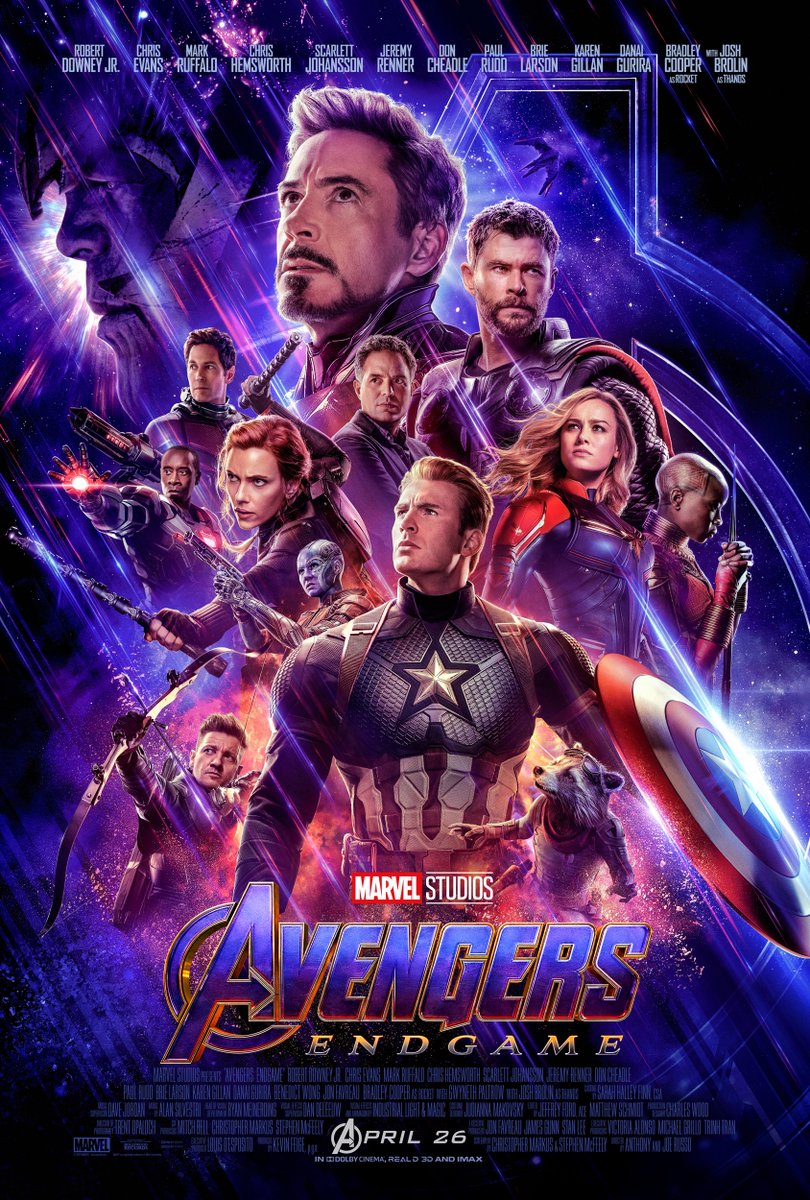
You’ve probably heard about a little film coming out this month:

AvgEg_Poster

Don’t worry, NO SPOILERS here!

In fact, the Avengers: Endgame directors Anthony and Joe Russo have earnestly requested that audiences and critics NOT reveal any details about the movie:

“Because so many of you have invested your time, your hearts, and your souls into these stories, we’re once again asking for your help. When you see Endgame in the coming weeks, please don’t spoil it for others, the same way you wouldn’t want it spoiled for you.”

I’m so wary of spoilers this time around, I refuse to read any preview articles, interviews, or speculation by fans. Likewise, whenever a trailer pops up online or on television, I quickly avert my eyes. I’m suspending my social media use later this week, too, since I don’t trust my friends or myself. No spoilers! 

I already know I want to see Avengers: Endgame. I don’t need any pre-release hoopla to motivate me.
keeping_students_motivated_school-1024x683

Read more about “Keeping Students Motivated.”

We’ve talked about how teachers should avoid spoilers in their classrooms. We must be careful to not sabotage, short-circuit, or short-change our students in the learning process. Authentic understanding arrives through wonder and discovery, making sense as one investigates concepts and applications.

Read more about spoiler alerts here, along with a nostalgic look at the highly anticipated Star Wars: Episode VII – ThForce Awakens. (The rumors are already flying about the upcoming Episode IX, and I imagine things will soon hit hyperspace.)


null

Capture my attention? Done.

 

That said, excited fan-geeks are NOT the same as your typical student. While teachers should still avoid spoilers, they may need to provide a little more motivation in their classrooms. And they also need to help along the way.

Another applicable entertainment analogy is the “TEASER.”

Merriam-Webster defines “teaser” as “an advertising or promotional device intended to arouse interest or curiosity especially in something to follow.”

Often, a teaser doesn’t directly name the product or event. Teachers can apply the same practice to engage students, but not spoil them with every detail or label.

Teasers can appear many months before the actual event, and here this analogy may not perfectly translate to the classroom.

Rather than waiting several days or weeks, a teacher probably needs the learning pay-off to occur much sooner. This “a-ha moment” could be in the same day, such as fulfilling an introductory question from bellwork. Or teachers could “tease” students with a prompt or “what if?” at the end of one day and return to this topic the next class.


Like spoilers, we’ve discussed teasers before on this blog. Take a look at some superhero examples and classroom applications here.

In the meantime, decide how spoiled you want to be before the next pop culture event. Maybe a new teaser has appeared and piqued your interest.

Either way, find ways to tease – not spoil – your students in the pursuit of learning!


Stark Talking

Standard

Nerds love to debate superhero superlatives. Who’s the strongest? Who’s the fastest? Who’s the most powerful?

Thanks to @reddit_user_1948, now we know which Avenger is the most talkative:

Iron Man a.k.a. Tony Stark.

Iron Man lines image


These results are based on comparing dialogue from the six original Avengers in the Marvel movies, summarized below:

spoken lines chart


Dialogue in the classroom is another topic of extensive study. In such research, teachers are like Tony Stark in that they dominate the spoken word.

One of the most well-known researchers in classroom interactions is Ned Flanders.

220px-Ned_Flanders

(No, not this Ned Flanders.)

Back in the 1960s and 70s, Flanders found that 70% of classroom time is talk, and 70% of this time is teacher talk (1970). He also reported that teachers of high-achieving students talked less (55% of the time) than teachers working with low-achieving students (80% of the time).

No mention of cause and/or effect here, but one could also consider the advice of Harry and Rosemary Wong (First Days of School), who note that those who are “doing” more are the ones who are learning more. In this case, it stands to reason that classrooms with higher rates of student talk (on task) would result in greater student learning.

Instead of Tony Stark/Iron Man, perhaps teachers should look to less vocal heroes like Hawkeye, the archer Avenger. Following Hawkeye’s example, teachers can use fewer words with more precision.

Jeremy-Renner-in-The-Avengers-1-600x339


Like well-aimed arrows, teachers could use purposeful questions and prompts to engage students, assess understanding, and guide discussion.

We’ve discussed questions before (such as here), and unfortunately, good questions don’t always come easily.

Additional research has found that of the 80,000 or so questions teachers ask annually, 80% of them are low level, requiring simple student responses without much thought (Gall, 1984; Watson and Young, 1986).

Like the Flanders research, some of these studies on teacher questioning are several decades old (“classic”). Effective teaching is timeless, however.

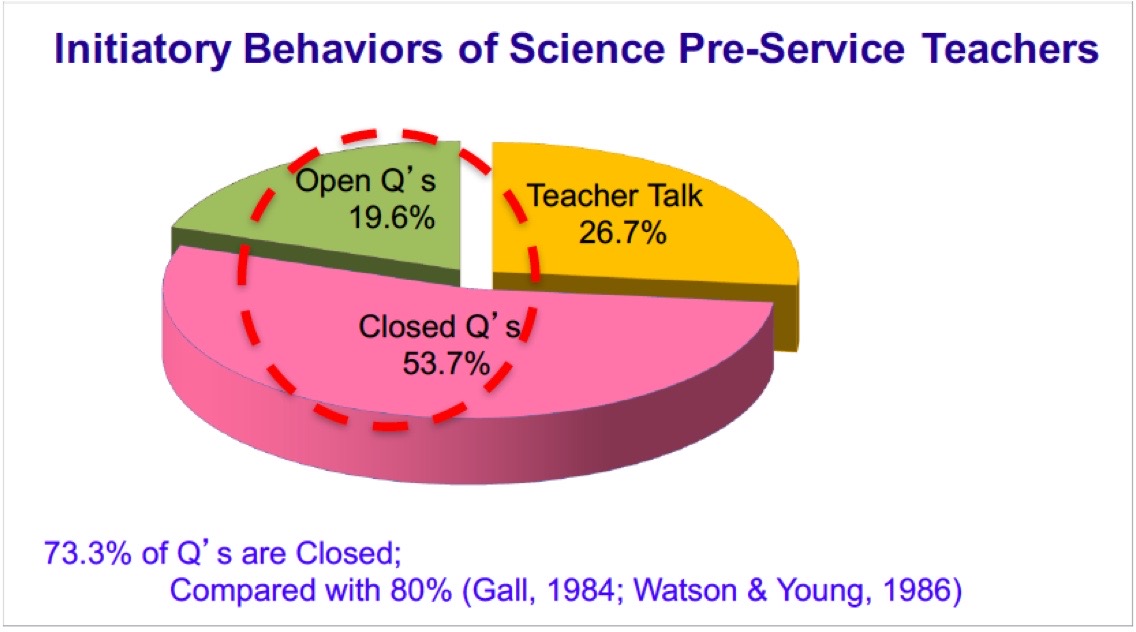
Likewise, several classroom habits still linger. For instance, I’ve studied pre-service teachers’ questioning (Bergman, 2013) and found classroom patterns similar to the past. Here’s a sample of those results:

SciPST_Talk


No matter how much you talk in the classroom, be sure to make it count. Be intentional in your speech with planned questions and responses to engage students in thoughtful learning.

At the same time, be thoughtful in your own teacher talk. Be flexible and nimble, too, ready to “ad lib” when necessary.

After all, one of Tony Stark’s most memorable movie lines was improvised. Maybe you remember this ending to the very first Iron Man film:


Here’s the “behind-the-scenes” story of this famous line, which was instrumental in shaping the entire Marvel Cinematic Universe. Consider how teachers’ words in the classroom can be equally impactful toward student learning and interest.

Adding some humor helps, too.