Second ______ Slump?

Standard

Happy Fall! (Astronomically speaking.)

Academically speaking, we already celebrated “Back to School” season (“Happy New Year!”) and are in the thick of things.

Soooooo. How are things going?

Educators frequently focus on the “First Days of School,” and rightfully so. The first days (or week) are when teachers (and students) establish expectations and routines about classroom environment and relationships.

These early days are so important that Harry and Rosemary Wong’s popular teaching book is the highest selling publication in the educational field. (4.5+ million copies? Not too shabby!)

Time marches on, however, and so does the school year. Eventually, teachers and students will encounter a “slump,” sensing a lack of motivation, focus, energy, and more. This often happens in mid-winter, but could be earlier in the semester–even right now!

Teacher slumps occurring later in the year are often referred to as “the doldrums,” marked by fatigue and listlessness. There’s actually meteorological meaning behind this sailing term, which you can learn more about here. Ahoy! ScienceI


Slumps that occur earlier relate to inertia–another scientific term! How can we build and maintain momentum once the “back-to-school” excitement dims? Like any new endeavor, a new school year can start with high hopes, only to face an “implementation dip” when reality sets in.

Michael Fullan is a “change expert” and has published a lot of neat research and resources on the subject. Here are a few images he shares to illustrate one’s experience with change over time. First, a simple picture . . .

Or a more complex version from an additional study:
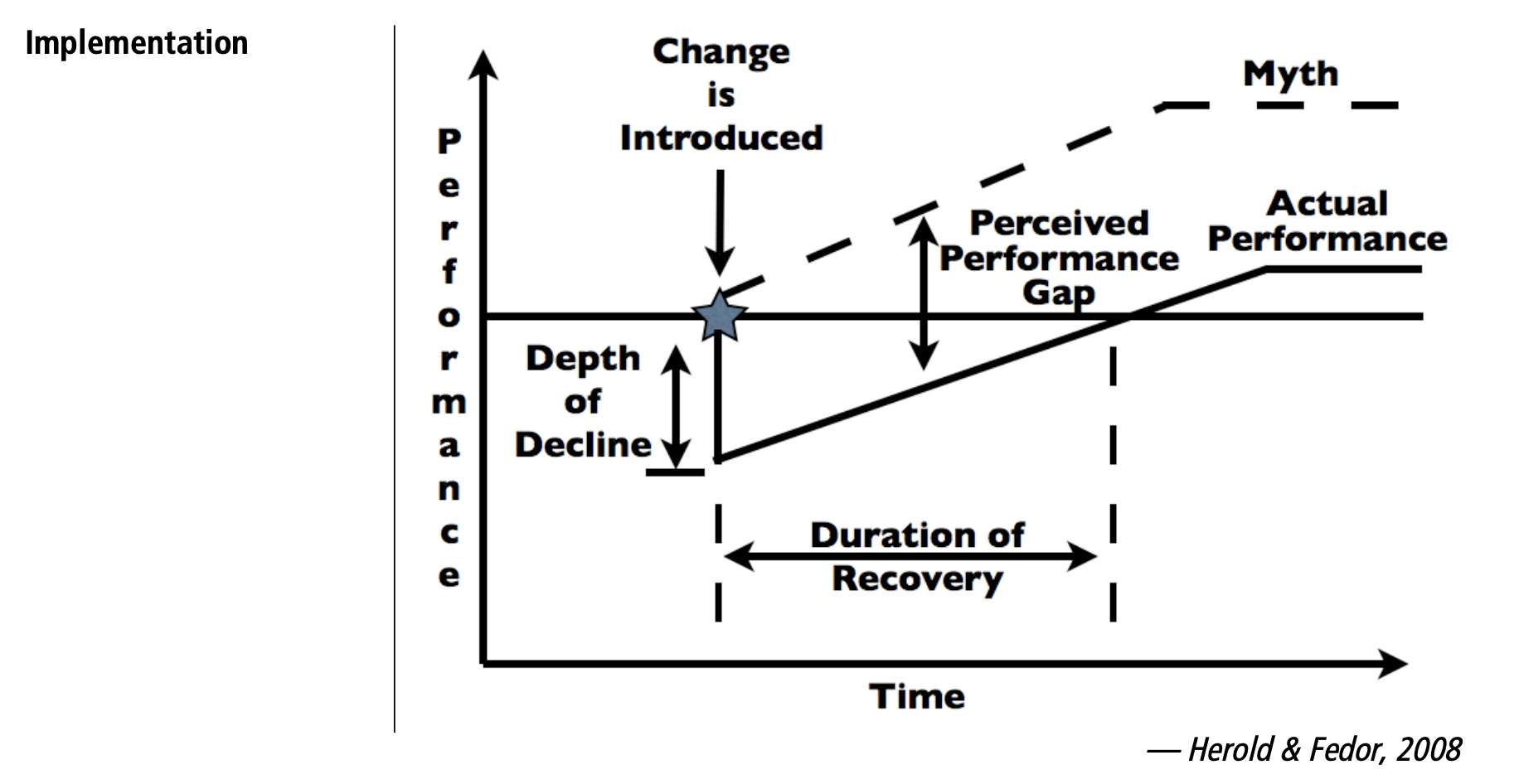
Whether simple or complex, the same pattern takes shape. The good news is things can improve with effort over time. Don’t rely on quick fixes or overnight success. Persistence pays off.

Recently, superhero movies have found immense financial success in their first weekend, only to lose steam in subsequent weeks. Even a film opening with over $100 million in ticket sales can “flop” if it fails to sustain enthusiasm.

This trend is growing to the point that The Hollywood Reporter has declared, “The Second Weekend Is the New Opening Weekend.” Business-wise, a winning formula is a big beginning PLUS ongoing interest. Positive buzz from critics and viewers will garner more attention, growing new and repeat audiences.

It’s not that different from teaching. Effective lessons start with an engaging “hook” and continue with motivating activities that encourage further learning, discussion, and wonder.

Ideally, this should happen each and every day. But it doesn’t. And that’s understandable.

It’s hard to maintain excitement when things get tough, busy, and repetitive. It may even feel like you’re trapped in a Time Stone loop from Doctor Strange!
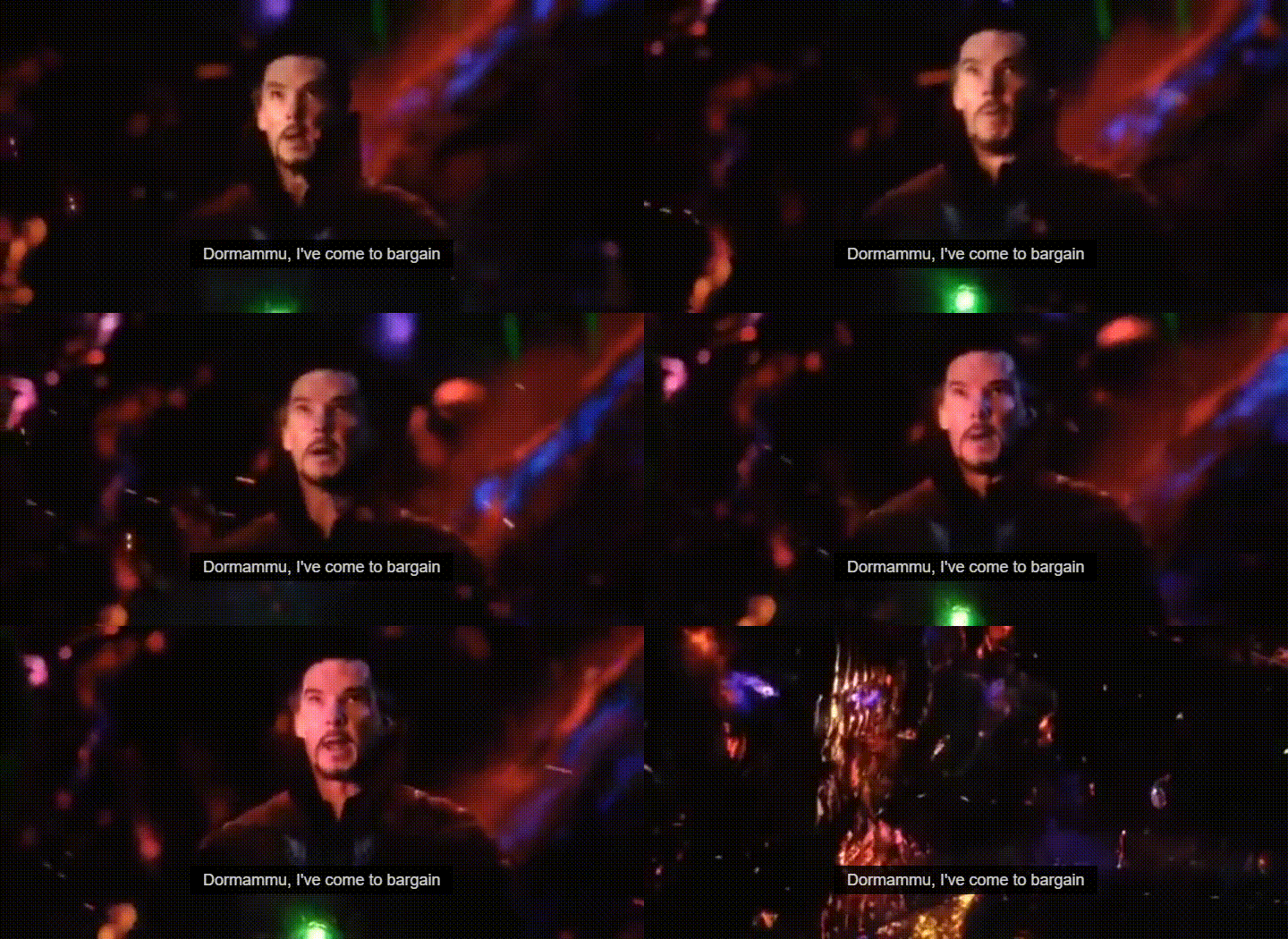
This sensation is true for teachers as well as students. The seasonal slump is not a matter of “if” but “when.” Be ready.

Whenever you feel yourself slumping, consider how to regain ground and recharge your batteries. Below are a few resources:

  • Creative English Teacher challenges teachers to remember their motivation and inspiration – which are NOT the same thing.
  • The Teaching Channel has 6.5(!) tips that address teacher self-care, tangible actions ranging from lighting to baking.
  • MiddleWeb features a blog with more strategies to battle a “stagnant classroom.” These are helpful since they serve both teachers AND students. Like other lists, common elements are enjoying humor, getting active, and trying something new.

You can find more ideas elsewhere, but hopefully this is a start!

Don’t wait for mid-winter.

Get going NOW!

Take Care of Yourself*

Standard

Thunderbolts* is the newest movie in the Marvel Cinematic Universe (MCU), and it’s a good one!

So good, in fact, that it got a brand NEW title right out of the gate (spoilers ahead, of course):

Beyond the clever name change (i.e. marketing ploy), the film itself is memorable for its meaningful look at mental health. Numerous news outlets have explored this key ingredient in the film, including interviews with the film’s creators and stars (such as this article from Entertainment Weekly).

Like the superheroes (super-spies? super-thieves?) in Thunderbolts*, educators also face challenges with stress and self-care.

In one survey, teachers and principals both fared worse than other working adults in multiple mental factors. Here’s a visual summary courtesy of the folks at Education Week.

Granted, this report is from 2022 as schools were crawling out of a pandemic shadow. Still, a more recent study finds similar issues, as indicated by its title, “The Teachers are Not All Right.

In better news, things are improving with educators’ awareness and ability to find help. Another Education Week survey found that teachers are better at supporting one another in their work. Check out this nifty graphic summary:

In the linked Entertainment Weekly article above, actress Florence Pugh elaborates on the importance of collaboration and kindness:

“[T]he real message is we have to be together. We have to connect, we have to help each other. We have to be humans and actually care, and love, and look after each other. And that is the key.”

She’s talking about fictional superhero characters, but the same holds true for real teachers in real life. Amid a notoriously labeled “isolated profession,” educators must seek support from each other AND for each other.

Even so, don’t rely on colleagues to provide and receive all necessary assistance. There are numerous resources from health experts and professional organizations, some of which teachers can use with their students.

Don’t wait for a crisis or summer break. Find people and services that can help you now, and help others do the same.

*And each other.

Know Gimmicks

Standard

gimmick ˈɡimik/  noun

  1. a trick or device intended to attract attention, publicity, or business.
    synonyms: publicity stunt, contrivanceschemestratagemploy;

    informalshtick

 Every Marvel movie features snappy quips, and one of my favorite lines from Captain America: Civil War comes from hero Falcon, when he and Bucky first run into Spider-Man:

ca-cw-gimmick

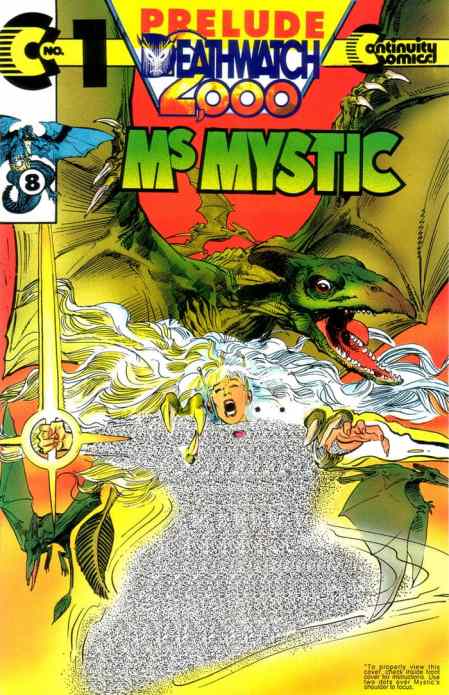
Gimmicks have a long history in comic books.  Specifically, let’s look at comic book gimmick covers.  Like any good “publicity stunt,” gimmick covers draw attention to sell more comic books. Typically these specific issues celebrate milestone anniversaries, debut series, or other special events.

The good folks at Comic Book Resources (CBR) recently shared their “All-Time Greatest Comic Book Gimmick Covers,” and you can read about it right here.

In this list, you’ll learn all kinds of neat history and trivia, including what made these gimmicks special.  Behold covers with poly-bagged pop-ups, glow-in-the-dark skeletons, embossed chromium and/or foil, die-cut claw marks, bullet holes, and more.

wolvie-gimmick

My favorite is the Superman “Colorform” cover, where you can create your own battle scene using the reusable plastic pieces.  (iPad got nothin’ on Coloforms.)

superman-lobo

Gimmicks are fun, but they can also go horribly wrong.  To wit, CBR contributors also compiled the “All-Time Worst Comic Book Gimmick Covers,” which you can read here if you dare.

crazyman-gimmickbad6a

These unfortunate “shticks” include lenticular artwork, face-shaped die-cut covers, duplicate monochrome colors, Magic Eye illusions, body heat-sensitive “thermochrome,” and more bullet holes.

gimmickbad0c deathwatch.jpg

Gimmick comic book covers have mostly disappeared, but new ideas (or old revivals) pop up from time to time.  The same is true for educational gimmicks.  Teachers must be vigilant in protecting their students (and themselves) from too many gimmicks, fads, and ploys.

 What are some of these educational gimmicks?  For a start, take a look at the following graphic highlighting “20 Years of Educational Fads,” put together by Te@cher Toolkit (“the most influential blog on education in the UK”).

20-years-educational-fads

You can read more here about each gimmick, myth, fad, and/or hearsay, and see how much you agree.

Such new (or repackaged) educational ideas begin as noteworthy or eye-catching.  A financial boost often jumpstarts such initiatives.  But eventually the dollars dwindle away, followed by fading enthusiasm and support.  Given the effort and time spent by various stakeholders, you can imagine the subsequent feelings of resentment and distrust.

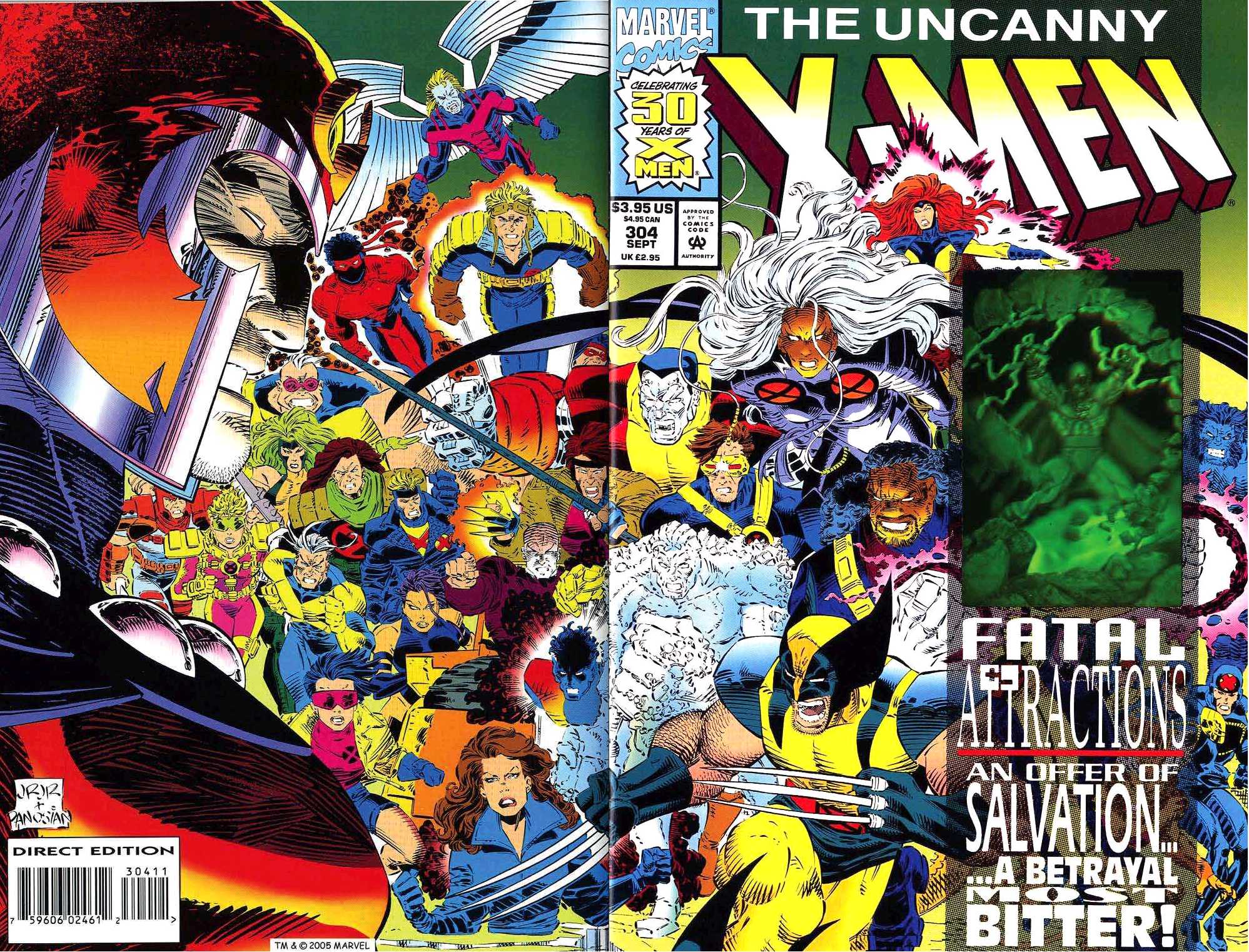
Please note that I am not poo-pooing all gimmicks.  After all, I’m the guy who forked over cash to get this hologram-highlighted wrap-around cover:

Uncanny_X-Men_Vol_1_304_Wraparound_Cover.jpg

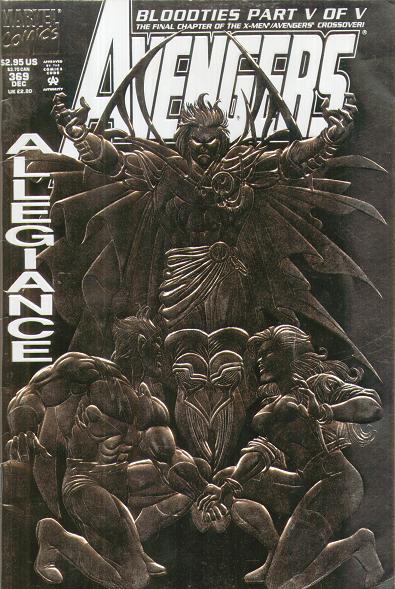
And this foil embossed beauty:

avengers_vol_1_369

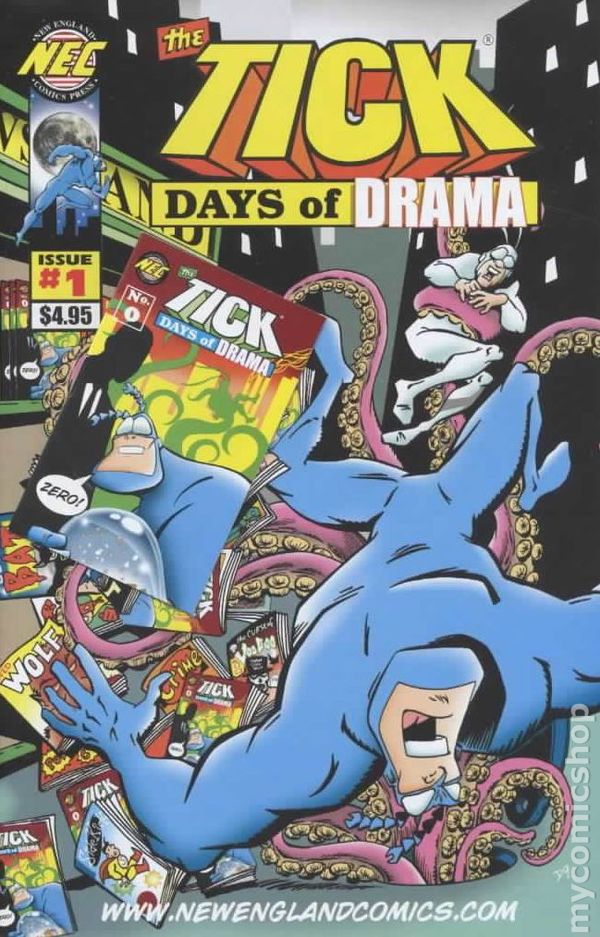
And even this one:

tick days of drama.jpg

 (Yup, that’s a special #0 issue mini-comic glued to the cover of the #1 issue regular-sized comic.)

Gimmicks can be good for a laugh.  And sometimes they are a breath of fresh air.  Used right, gimmicks can make cute mementos, quick distractions, and useful object lessons.

Nevertheless, it’s important to distinguish between a novel trick (that’s fun for a little while) and a credible research-supported practice (that stands the test of time).

What about you?  What educational gimmicks have you enjoyed, advocated, and/or suffered?

What’s in a Name?

Standard

Keen-eyed readers will notice that this blog has recently changed its official name from Teaching is for Superheroes! to Teach Like a Superhero!  (The exclamation point remains!)

Not that big of a change, really, except that the new name rolls off the tongue a little more easily.  Another change is the primary web address:  http://www.teachlikeasuperheroblog.com.  This new URL is not very short, but it gets to the point.

(I tried a shorter address, but “www.tlash.com” sounds like an eyeliner product.  And a good of an excuse as any to share this meme inspired by Captain America: The Winter Soldier)

eyeliner

If all of this http://www.mumbo.jumbo stresses you out, don’t worry.  The old web address, http://www.teachingsupeherheroes.wordpress.com, still works and will lead you right back here.

This post is not just an announcement about blog name changes.

Let’s talk about names of superheroes and names of teachers.

Spider-Man_The_X-Men_1_Preview_3

I remember two things from my very first teacher back-to-school in-service meeting.  The first memory is a litany of details regarding health insurance and employee benefits.  The second memory is our assistant principal reminding us all that we are “Mr. Smith,” not “Smith” or “Mr. S.”

His point was to start the school year establishing a professional identify and requiring our students to address us as such.  It may seem like no big deal for a student to abbreviate your name (“Mr. B.”) or leave off your honorific (“Bergman”).  Some teachers may even welcome such nicknames to foster a more relaxed classroom environment.

But we must always be careful to not get too comfortable with our students.  Stop and consider the range of impacts this lackadaisical habit could impart.

I’m sure I’ve allowed my students to call me all sorts of things and get away with it.  But it does help to maintain a level of respect among everyone – teacher to student, student to teacher, teacher to teacher, student to student, and more.

Proper names matter among superheroes, too, and not just with maintaining secret identities.  Personally, I cringe whenever I read superheroes calling each other playful nicknames.

hawkeye-your-way-small-captain-america-2-deleted-scene-meant-cap-fighting-who-jpeg-127715

They’re heroes, not BFFs!

Superhero nicknames have long been a staple in comics.  Witty banter and clever monikers keep the “funny” in funny books, after all.  And it helps convey some characters’ personalities.

Wolverine, for example, with Colossus:

wolverine colossus

And here (off-panel) with Professor Xavier:

Chuck

The best name-caller, of course, was Stan “The Man” Lee, who was so proficient he even came up with nicknames for his real-life co-workers (e.g. Jack “The King” Kirby, “Jazzy” Johnny Romita, “Merry” Gerry Conway, and many MANY more right here).

Like any good joke, though, overuse of superhero sobriquets can get tiresome.  Especially among champions who should focus their attention on more important things – like fighting bad guys and saving the world!

Avengers1-144

What’s worse, many of these affectionate nicknames can actually undermine the job of life-risking heroics.

Spider-Man-Joins-Marvel-Cinematic-Universe

“Spidey” for Spider-Man works fine for his hip quippy character;  but take a look at other heroes and their less-dignified labels:

Batman = “Bats”

Superman = “Supes”

Green Lantern = “GL”

Ugh.  Apparently, characters in the DC Universe have a thing for abridging names.  Marvel nicknames, though more colorful, can still cheapen a heroic legacy.

The Mighty Thor = “Goldilocks”

The Hulk = “Ol’ Greenskin”

Iron Man = “Shellhead”

Captain America = “Cap,” “Winghead,” “Star-Spangled Avenger”

We come back to Captain America because it’s maybe the clearest example of a noble hero who’s legendary status is downgraded by casual familiarity.  And it’s not just by fellow heroes, but even by us regular citizens.

captain-america-kooky-quartet-107425

Call me a Stick-in-the-Mud (“Bromidic Bergman”), but superheroes deserve a little more formality.  The same goes for teachers.  Although it may seem cool for kids to use teacher nicknames, be careful with letting things get too capricious or contemptuous.

So whenever you hear a student or colleague refer to you as  “Mrs. T” or “Thompson” or “Yo, Teach,” gently remind them how they can address you more properly.

Just remember, it’s not “Mr. F.” It’s Mr. Fantastic.

Wieringo_reedrichards

And it’s not “Incredible;” it’s Mr. Incredible.

mr incredible

And it’s not “Marvel;” it’s Ms. Marvel.

Ms.-Marvel

Actually, the original Ms. Marvel goes by Captain Marvel now.

But never “Cap.”

Dress for Success

Standard

Back to school time is here, which means families are filling department stores to find the best bargains. But it’s not just students. Teachers are also looking to stock up on supplies and spruce up their wardrobes.

Take a look at a typical “Back To School” advertisement or website and you’ll see gobs of superhero clothing and accessories. Superheroes are famous for how they look just as much as they are for what they do.

IronMan

The good folks at Newsarama recently listed their “10 Best Live-Acton Superhero Costumes” and “10 Worst Live-Action Superhero Costumes.”

Here are some helpful lessons teachers can learn from these lists:

#1 – Maintain Functionality

Many of the “Best” costumes work because they look like something you could actually see in real life.  Rather than adhering too closely to garish comic book colors or styles, the designers keep things grounded and user-friendly.

TheDarkKnight Teachers should consider their daily tasks and possible actions, then dress appropriately.  Fabric that breathes, stretches, and covers is a must, along with some comfortable footwear.

Comfortable shoes, yes, but NO SNEAKERS (unless you teach gym).  Strapping on a pair of Asics Gel Virage 4 shoes is the quickest way to ruin an otherwise perfect teacher outfit.

Asics-Gel-Virage-4-Green-orange-White-Grey-Black-Silver-Red-Blue-Fluorescent-JYLRM

(It’s called “business casual,” NOT “business triathlon.”)

If you need super-supportive shoes that are also subtle, take a look at this list provided by We Are Teachers (although I squirm at the sight of #10).  This focus on footwear leads us to another lesson from live-action superheroes.

#2 – Focus on Simplicity

A quick comparison of the “Best” and “Worst” film costumes reveals a glaring difference in details.  In many cases, the outfits in the “Worst” category are just TOO MUCH.

BatmanAndRobin Resisting the impulse to add another buckle here or kneepad there, the “best” outfits keep it simple.  By doing so, these film versions highlight key elements that evoke iconic imagery.  In some cases, this means ditching the costume and favoring functional garb (see #1 above) with hints of style and symbolism.

Wolverine Teachers are iconic, and their choice of clothing should reflect their critical role in society.  Instead of chasing the latest fashion (floral vs. geometric print, fat tie vs. skinny tie, boot-cut vs. skinny jeans), focus on conveying an image that is classy and timeless–just like good teaching.

In case you think it’s passé to stick with the basics, take a look at two USA Today articles about teacher attire.  One is from 2003, the other from 2012.

Despite being nearly a decade apart, both articles list some of the same “Should’s” and “Should Not’s” for teacher apparel and appearance.  Neat and clean are always “in.”  Spaghetti straps, tight tops, short bottoms, excessive piercings and tattoos should stay out of the classroom.

#3 – Lean toward Conservative

We’re talking clothing here, not politics.  (Vote your conscience.)  In discussing attire, teachers should consider how to keep the focus on learning as opposed to fashion.

Whenever you struggle with what to wear, here are several mottos you can remember:  “Dress older.” “Dress like your boss.” “Dress for the job you want.”

HalleBerryCatwoman

“Teacher” is not the first profession that comes to mind.

These sayings will help with decisions as you stand in front of your closet.   Skewing conservative also works as you stand in front of the bathroom mirror.  Just like excessive makeup on movie superheroes, teachers with too much mascara will likely turn off their students.

#4 – Tone down the CGI

GreenLantern ‘Nuff said.

Hopefully these Hollywood examples will help teachers consider their choice of classroom attire.  For anyone wanting more ideas, check out this Education World article discussing jeans and flip-flops, or this About Education blog with useful guidelines, especially for younger teachers.

And remember:  Save the cosplay for your pets. Batman Dog