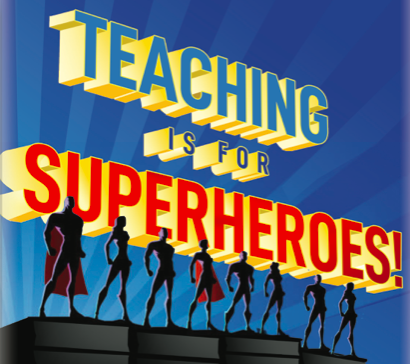
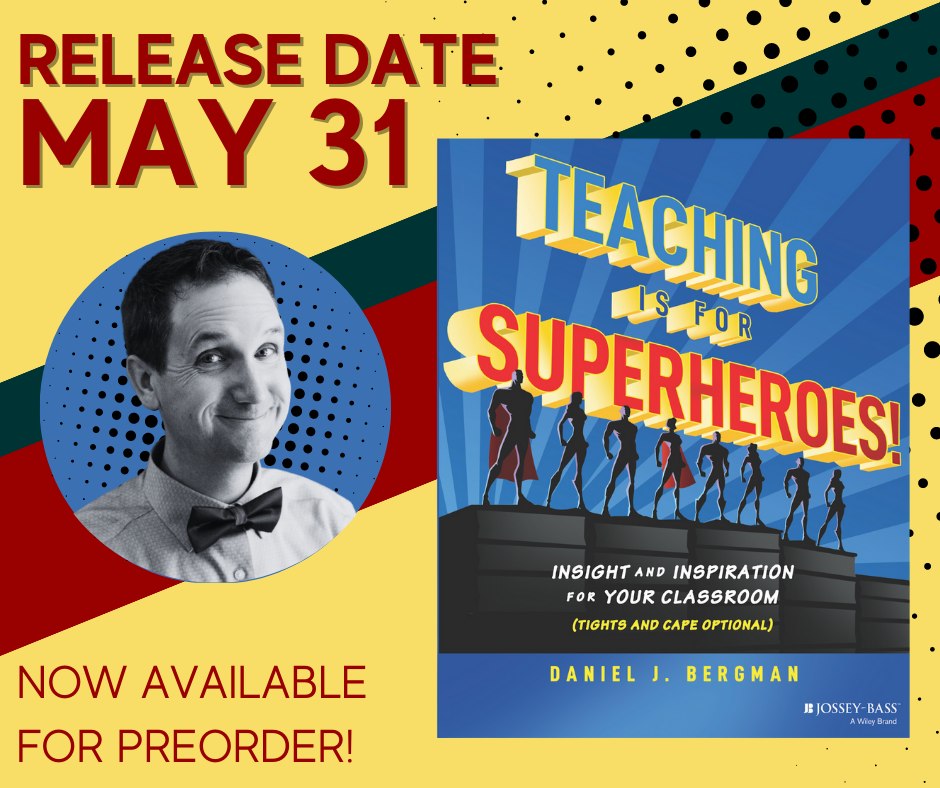
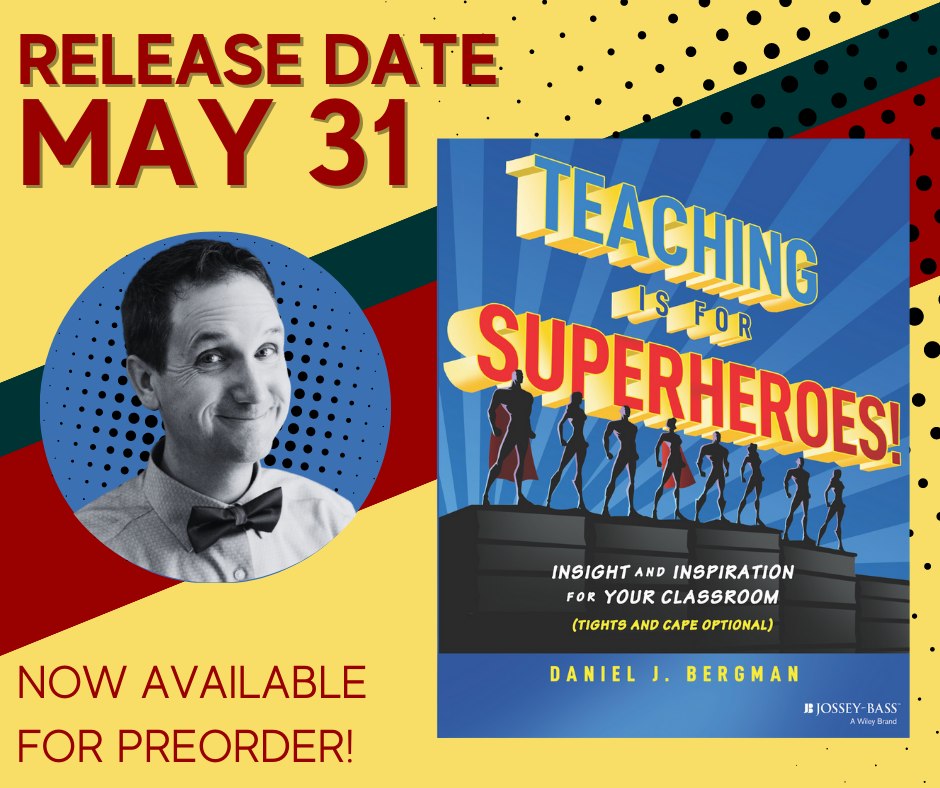
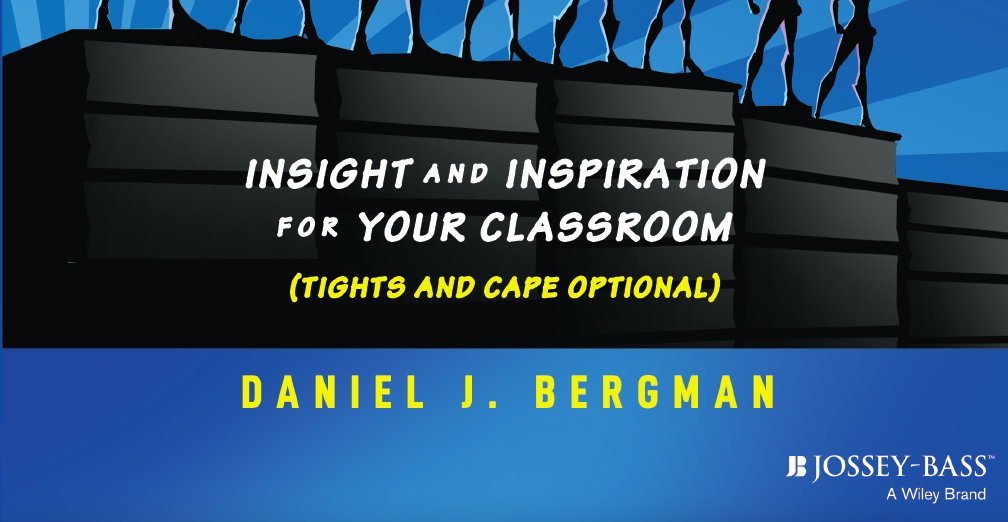
In honor of only ONE WEEK left before the release of my book, Teaching Is for Superheroes! check out this tune . . .
Keep in mind, the wait between comic book issues for ongoing stories “to be continued” is ONE MONTH, or about 30 days. So only 7 days doesn’t sound too bad.
What about the break between school years? Do you get three months over the summer? Or more frequent, shorter breaks between trimesters or quarters?
Hopefully, whatever time “away” you get from school provides refreshment and rejuvenation. And ideally, both students and teachers are RECHARGED and ready to dive back in for “back to school” season!
Over your upcoming break, get in some summer reading while you hangout at the pool or beach or campground (or back porch or air conditioned couch).
I know one good book you could read . . . and there’s still time to PRE-ORDER!
Barnes & Noble is back at it – offering 25% off all online pre-order books, including Teaching Is for Superheroes!
Use the code “PREORDER25” – valid until April 29, 2023 at 2:29am ET (exclusions apply). Sorry Luddites, but this code can only be used on B&N’s website.
Please SHARE with your fellow fans of teaching and superheroes!
And don’t forget to sign up for FREE RESOURCES when you pre-order the book. Go to www.teachingisforsuperheroes.comand click on PRE-ORDERS to learn more!
When you get that done, come back here and check out three more comic books with awesome #25 issues!
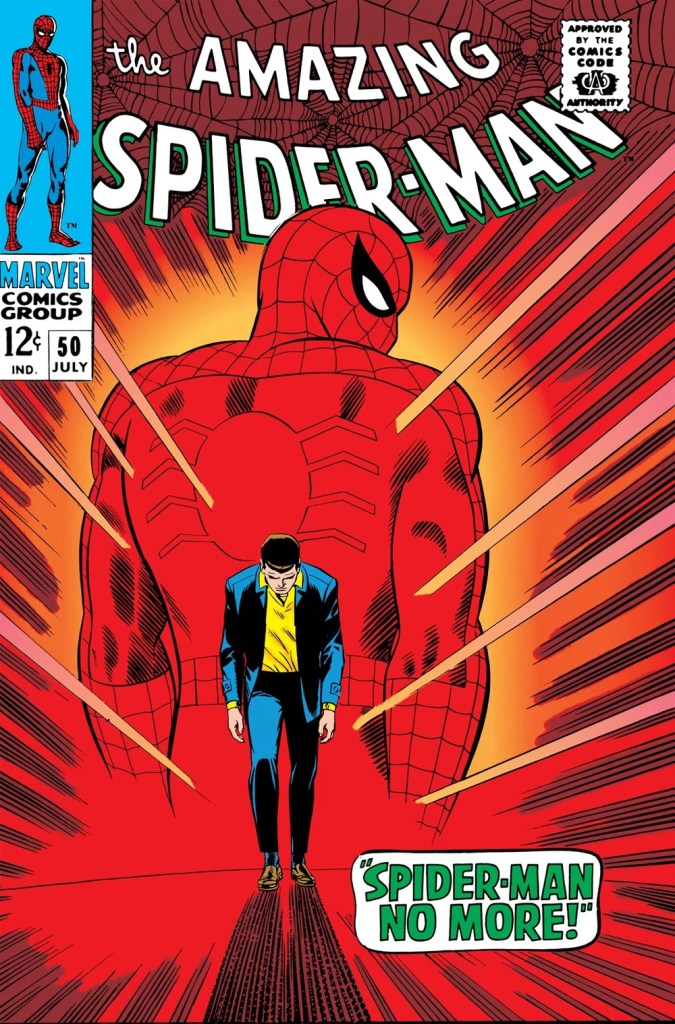
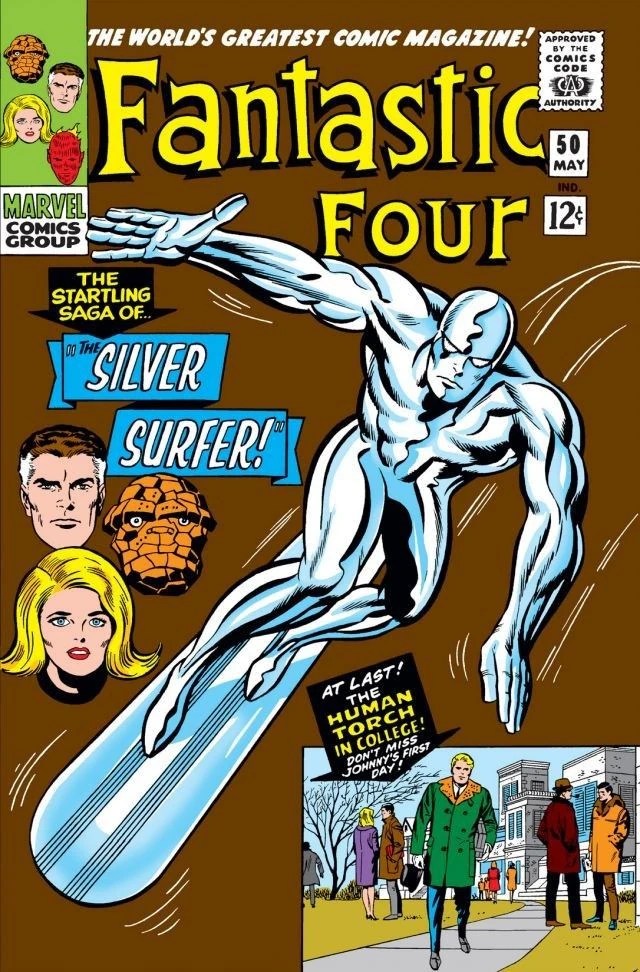
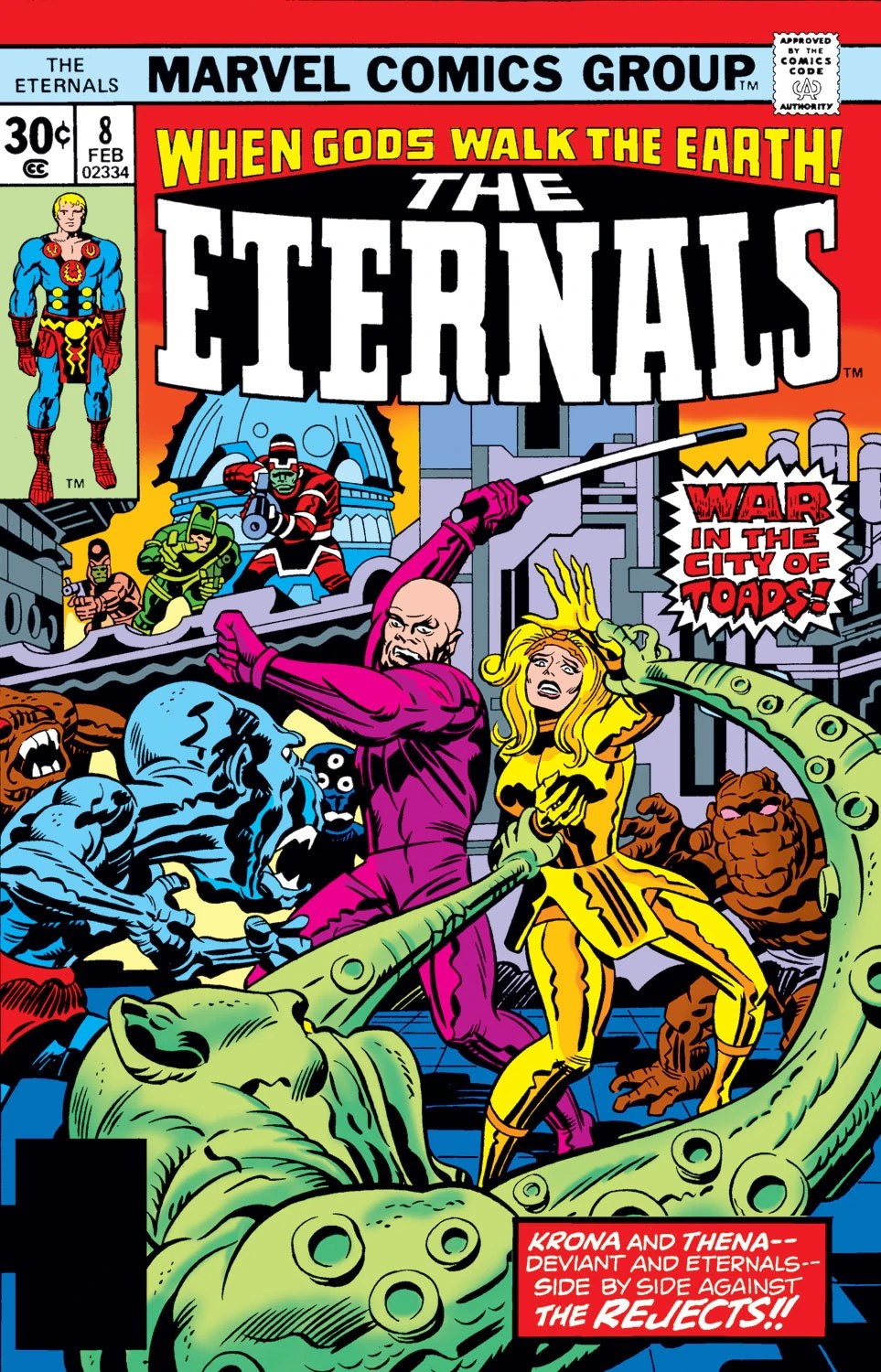
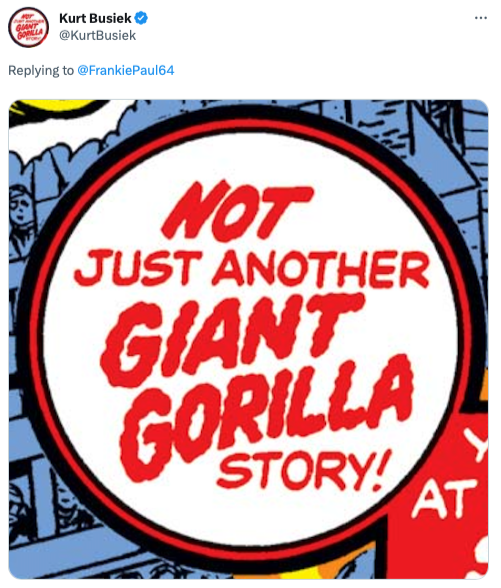
Take a look at this cool collection of Comic Book Cover Teasers, recently shared on Twitter by professional comedian and comic book lover @FrankiePaul64:
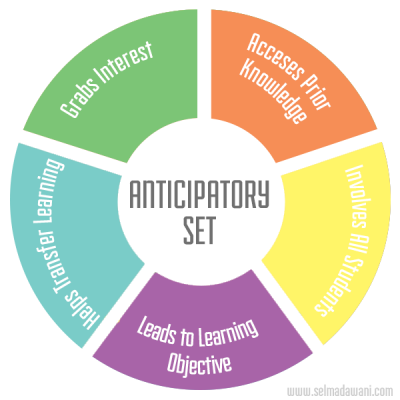
One pedagogical term that’s been around for decades is “Anticipatory Set.”
You can find many resources about Anticipatory Sets (a.k.a. “hooks”) from credible online sources, including RESEARCH and EXAMPLES. Check them out, then TRY some out!
When applied effectively, anticipatory sets are powerful both in terms of supporting classroom management (routines and procedures) AND through enhancing instructional interactions (rapport, rigor, and relevance). The key is that qualifier: “When applied effectively . . .”
John Maresca, from Grand Canyon University, describes this issue in further detail:
“Many anticipatory sets miss the point. Simply telling students what they’re learning that day won’t interest them (unless the topic itself is that exciting to them); it’s best to think of a strategy that encourages engagement . . .”
Here’s a nifty video that provides more ideas and suggestions:
Teachers, what are YOUR best ways to engage students and catalyze learning?
Maybe you call it something other than a teaser, anticipatory set or hook. What are your most impactful strategies or examples?
Speaking of TEASERS and ANTICIPATION, look for many more posts in the future about my upcoming BOOK, Teaching Is for Superheroes!
Ant-Man and the Wasp: Quantumania has been out in theaters for a while – and the film is HUGE fun!
It’s no secret that the “big bad” villain in the movie is Kang the Conqueror, but we won’t say anything more about his motivations or machinations.
(That would be a “spoiler.”)
Still, a lot has been said already about Kang (and actor Jonathan Majors), with his introduction as the next major antagonist in the Marvel Cinematic Universe. We’re talking Thanos-level malevolence here.
Both look great in purple, too!
Understandably, people want to chat about Kang the Conqueror–his backstory in the comics, potential connections to MCU shows and films, his powers and motivations, and much more. But we won’t dive too deeply here, to avoid any spoiler territory. (If you’re curious, click on any of the links in this paragraph and speculate away.)
All this talk about the next new villain got me thinking about teaching. If teachers are like superheroes, then who plays the “villain” role?
Who is YOUR archenemy?
Or at the least, who’s your rival?
Or maybe just someone who bugs you. Whether they know it or not, sometimes this person drives you nuts.
To help reflect on educational antagonists, look at classic superhero/villain pairings.
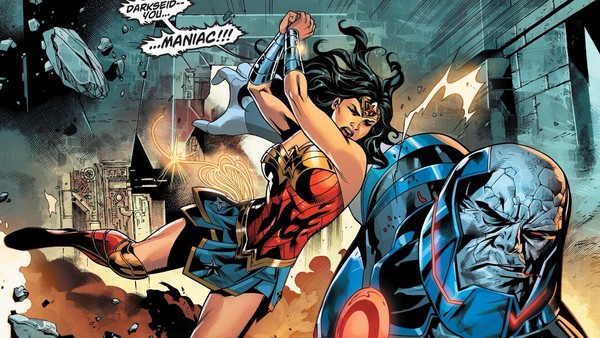
Sometimes they are complete opposites. Superman is super-strong and a “boy scout.” Lex Luthor is super-smart and a malicious “man-child.” Or contrast the stoic, calculating Batman with the crazy, maniacal Joker.
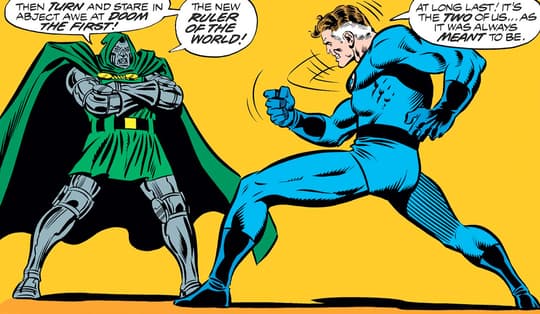
Archenemies can also be too much alike. Their mutual strengths create immediate conflict. Think of Wolverine and Sabretooth, both with claws, feral fighting skills, and healing factors. Or consider the intellectual enmity between Mr. Fantastic and Doctor Doom.
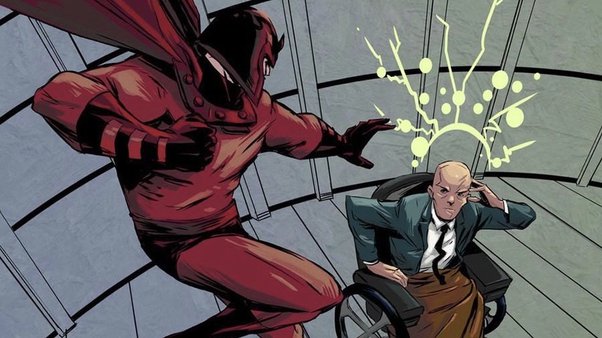
Another source of friction is a fundamental difference in ideology. Professor X seeks peaceful coexistence between mutants and humans, whereas Magneto prefers violent uprising and mutant dominance, no matter the cost. Captain America and Red Skull epitomize the Allies vs. Axis sides of World War II.
Remember, these examples are fiction. Superhero/villain matchups are mere illustrations for the types of conflict that can occur between two real people. I sincerely hope any opposition in schools is much less vindictive and destructive.
As teachers, we should use moments of disagreement as opportunities to model healthy communication and compromise. Remember, your students are watching!
That said, something (or someone) that is unethical or illegal should NOT win.
I remember a high school principal explaining one experience he had where “win-win” was not a viable option. Their school building was facing increased pressure and influence from violent gang activity. This principal shared how their school staff, students, families, and community banded together to find a “win-lose” solution: they were going to win; the gangs were going to lose (and leave).
Hopefully, the day-to-day conflicts and friction teachers experience are not as dire. And in any case, we can focus on productive (and creative) outcomes, with student learning and growth as the ultimate goal.
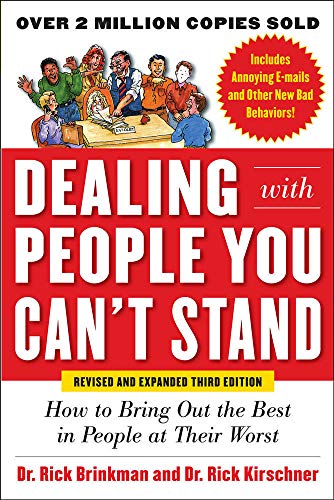
Here are just two resources for working with others (including those you can’t stand):
Imagine what would happen if some of our superhero/villain pairs paused to review these materials. Maybe they could even sit down and work out their differences.
Or maybe not.
But what about YOU?
And who exactly is a teacher’s REAL archenemy? Moreover, how do we “fight” them?
Discover where I’ll be speaking next (and request me as guest speaker), along with FREE online materials related to Teaching, Superheroes, Science Education, and other super-geeky fun!
At the end of every year, you’ll find a smattering of “Top Ten” or “Best of . . .” lists. Do a quick web search and you’ll discover all kinds of countdowns for 2022.
Better yet, we’ve done some reading ourselves and provided a few hyperlinks, including Comic Book rankings by people at Polygon, Den of Geek, and Entertainment Weekly.
My favorite of 2022 was the new “Batman/Superman: World’s Finest” series by Mark Waid, Dan Mora, and Tamra Bonvillain. It’s a fresh take on the old-fashioned DC team-up title. The art is dynamic and colorful, with big action mixing up characters both well-known and unknown.
Comics aren’t just full of superheroes, of course, as you’ll notice many different kinds of tales in these “Best” Comic Books.
For more capes and cowls, you can also find “Top” lists ranking favorite superhero television series, such as one by the folks at IGN.
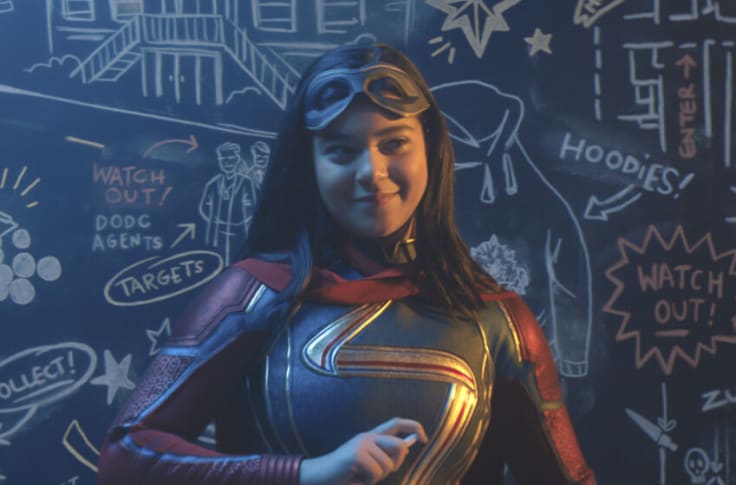
Again, my two-cents’ worth is that Ms. Marvel was the best choice in a very robust slate of superhero TV in 2022.
I’ve already talked about Ms. Marvel in a previous post. Simply put, it’s another fun teen title in the tone of Spider-Man.
Like Spidey, Ms. Marvel begins with our hero learning about their powers and living among family and friends. But “trial-and-error” adventures at the street level soon explode into a globe-hopping (and time-traveling) quest. Good stuff!
In addition to TV and Comics, there are even “Top” lists for Teachers!
Places like Education Weekand Education Next highlight the most-read blog posts and articles in 2022. A lot of these deal with policy and trends in curriculum, as opposed to direct classroom practice. Still, it’s good to stay up to date with the latest. Keeping current is even more vital with RESEARCH in teaching and learning, as featured in Edutopia’s “10 Most Significant Education Studies of 2022.”
Here are a few of my favorite takeaways from their Top Ten:
#1 THERE’S NO CONFLICT BETWEEN RELATIONSHIPS AND RIGOR
“The researchers found that the most effective teachers build their classrooms by getting to know their students, being approachable, and showing that they enjoy the work—and then deftly translate emotional capital into academic capital.”
#10. AN AUTHORITATIVE STUDY OF TWO HIGH-IMPACT LEARNING STRATEGIES
“In the review, researchers explain that students who prefer techniques like reading and rereading material in intense cram sessions are bound to fail. Instead, students should think of learning as a kind of ‘fitness routine’ during which they practice recalling the material from memory and space out their learning sessions over time.”
Similar to “Top” rankings for the previous year, you’ll also find “Most Anticipated” lists previewing upcoming movies, comic books, and more.
Just as teachers can gain insight from reviewing the “best” of the past, they can also find inspiration in previewing the future.
What are you anticipating most in the next year? (Maybe a new book?)
Better yet, how can you help your students look forward to the future?



















 Teach Like a Superhero!