Here it is!
The OFFICIAL full-length trailer for my book, Teaching Is for Superheroes!
Enjoy, Like, and Share with the teachers (and superheroes) in YOUR life!
(And watch for the superhero reveal near the end!)
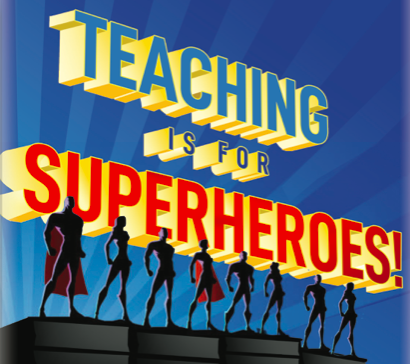
Here it is!
The OFFICIAL full-length trailer for my book, Teaching Is for Superheroes!
Enjoy, Like, and Share with the teachers (and superheroes) in YOUR life!
(And watch for the superhero reveal near the end!)
On this blog, we’ve talked many times about using classroom TEASERS (not Spoilers) as a way to ENGAGE and MOTIVATE students. Travel back in time to read more about this strategy HERE and HERE.
For the present, enjoy our very OWN teaser for the trailer to the upcoming book, Teaching Is for Superheroes!
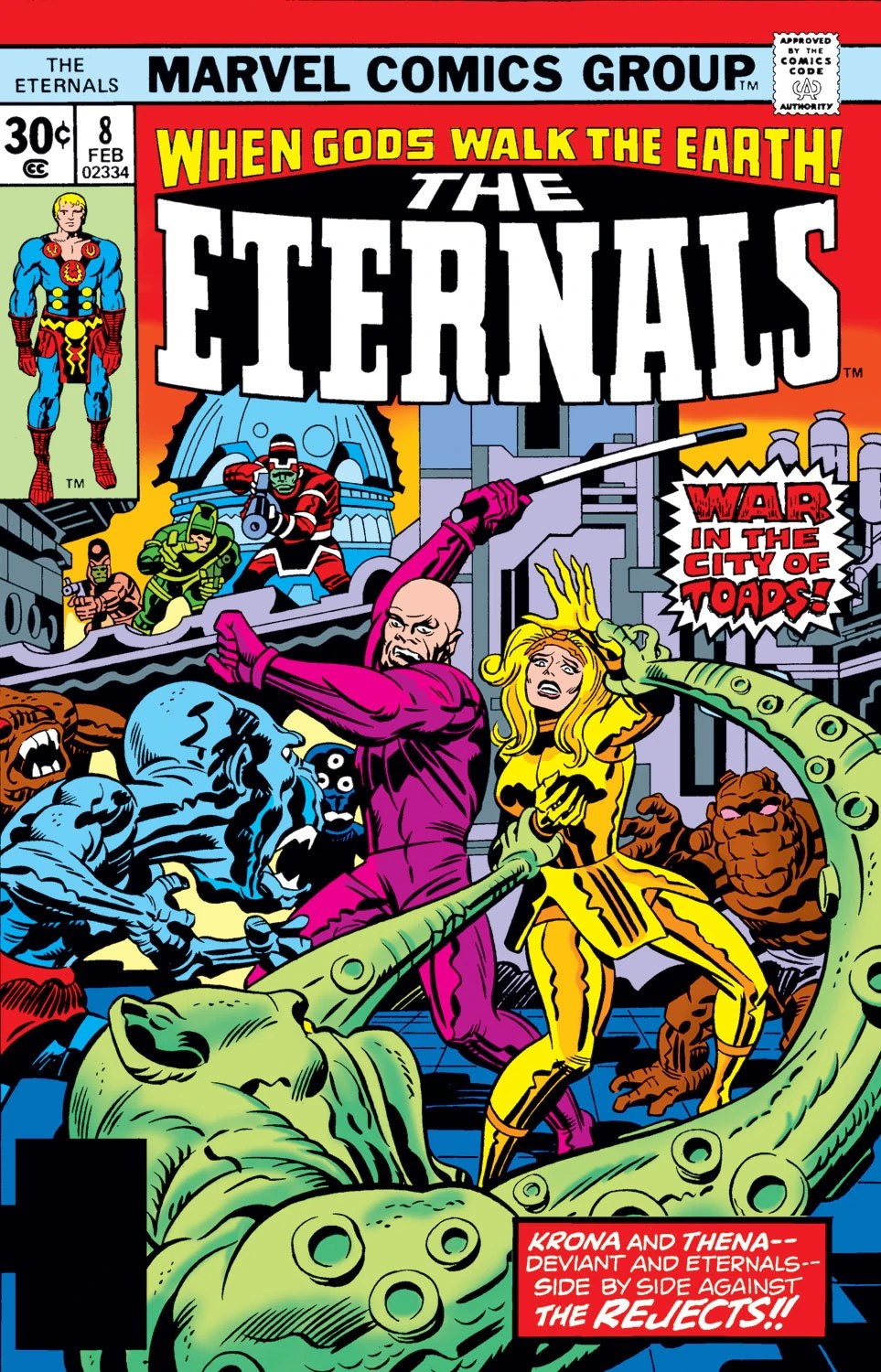
Take a look at this cool collection of Comic Book Cover Teasers, recently shared on Twitter by professional comedian and comic book lover @FrankiePaul64:
My personal favorite is “War in the City of Toads!” appearing on the cover of Marvel’s Eternals #8 way back in 1977.
Here’s another cover teaser shared in a Twitter reply by professional comic book writer Kurt Busiek:
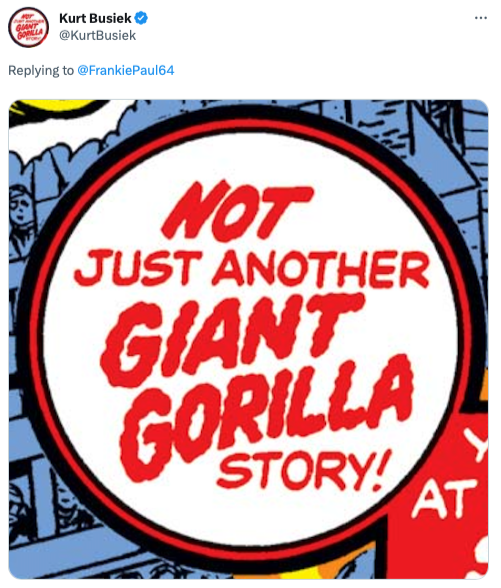
I don’t know about you, but my curiosity is piqued. I want to read more! And isn’t that the purpose of comic book teasers?
We’ve talked before about using classroom “teasers,” including EXAMPLES for starting or ending lessons, as well as teasing–but NOT spoiling–students to learn more.
One pedagogical term that’s been around for decades is “Anticipatory Set.”
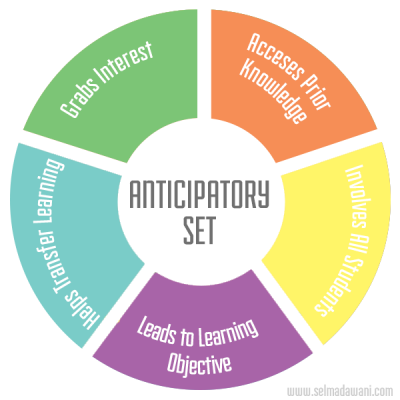
You can find many resources about Anticipatory Sets (a.k.a. “hooks”) from credible online sources, including RESEARCH and EXAMPLES. Check them out, then TRY some out!
When applied effectively, anticipatory sets are powerful both in terms of supporting classroom management (routines and procedures) AND through enhancing instructional interactions (rapport, rigor, and relevance). The key is that qualifier: “When applied effectively . . .”
John Maresca, from Grand Canyon University, describes this issue in further detail:
“Many anticipatory sets miss the point. Simply telling students what they’re learning that day won’t interest them (unless the topic itself is that exciting to them); it’s best to think of a strategy that encourages engagement . . .”
Here’s a nifty video that provides more ideas and suggestions:
Maybe you call it something other than a teaser, anticipatory set or hook. What are your most impactful strategies or examples?
Speaking of TEASERS and ANTICIPATION, look for many more posts in the future about my upcoming BOOK, Teaching Is for Superheroes!
And find more information at the book’s official Facebook page. (Don’t worry: we won’t spill any spoilers!)

 Teach Like a Superhero!