
G.I. Joe (A Real American Hero) is back in the spotlight of the comic book world, with multiple ongoing series and a whole new interconnected universe.
For those NOT in the know[ing is half the battle], G.I. Joe is basically “army superheroes.” It’s got high-stakes sci-fi action, soap opera drama, and all a store rack full of colorful characters.
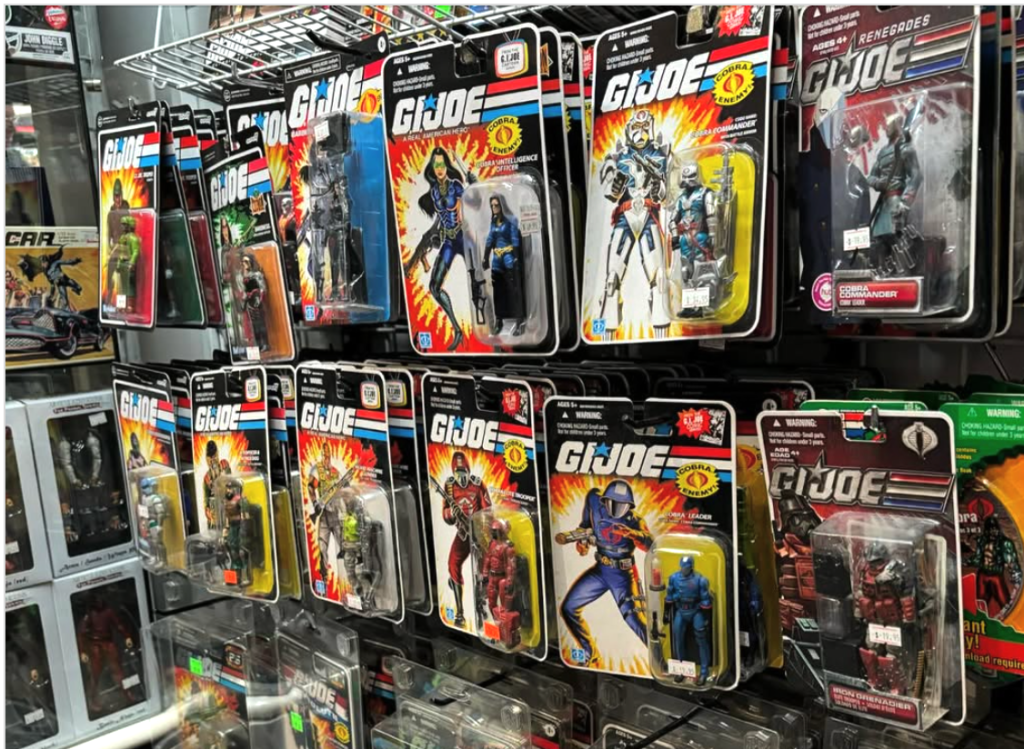
We’ve already featured G.I Joe here in the past, focusing on the milestone “silent issue” #21 that tells a complete comic book story with ZERO dialogue and sound effects.

Check out our original post HERE, which discusses all of the unspoken behaviors that impact classroom instruction, and strategies for teachers to improve their interactions with students.
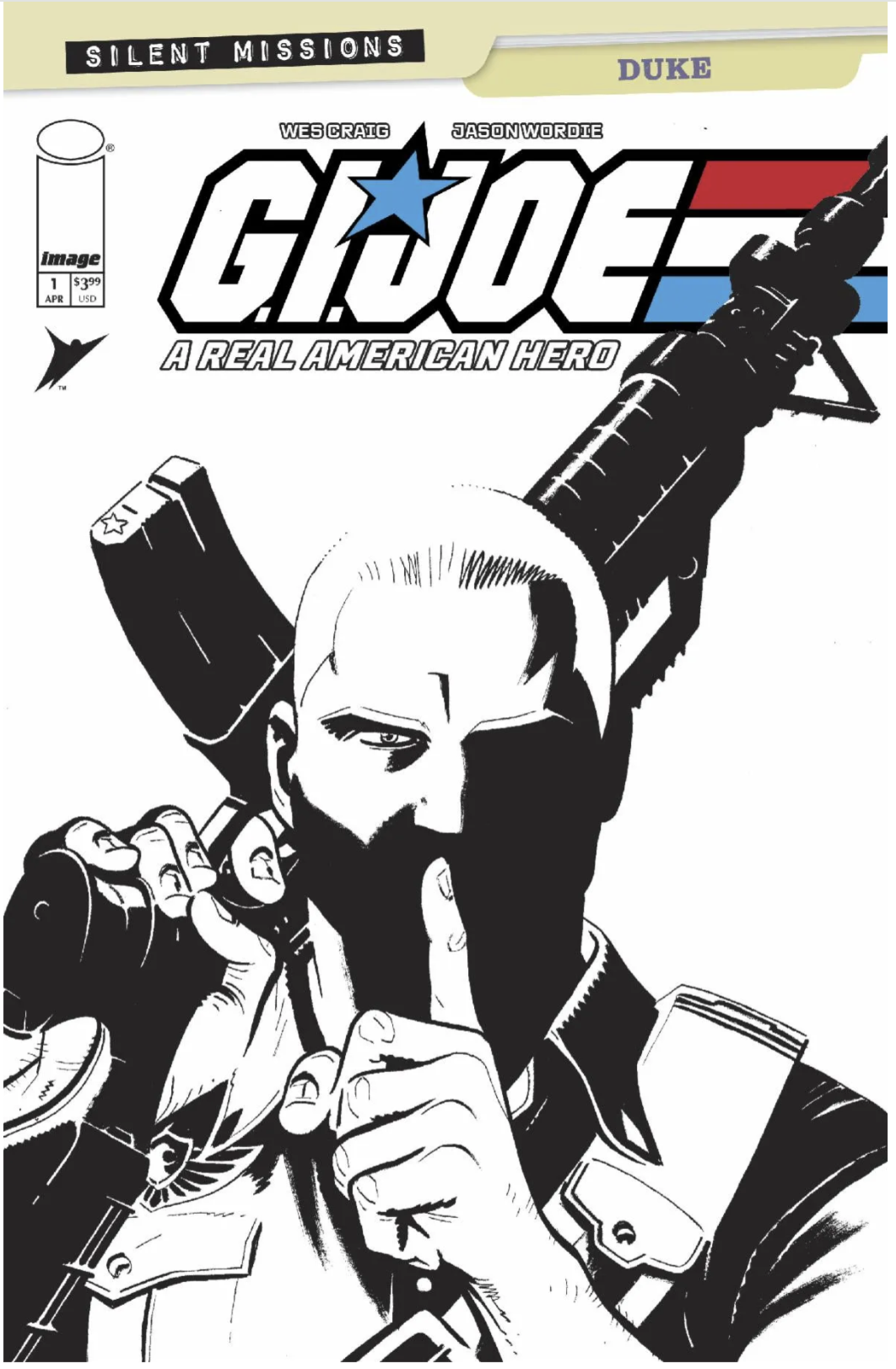
G.I. Joe #21 is so influential that many other comic books tried their own “silent” issues over the years. In fact, publisher Skybound has announced a special “Silent Missions Month” in April 2025. Five different Joes get their own story told in the same word-free style.
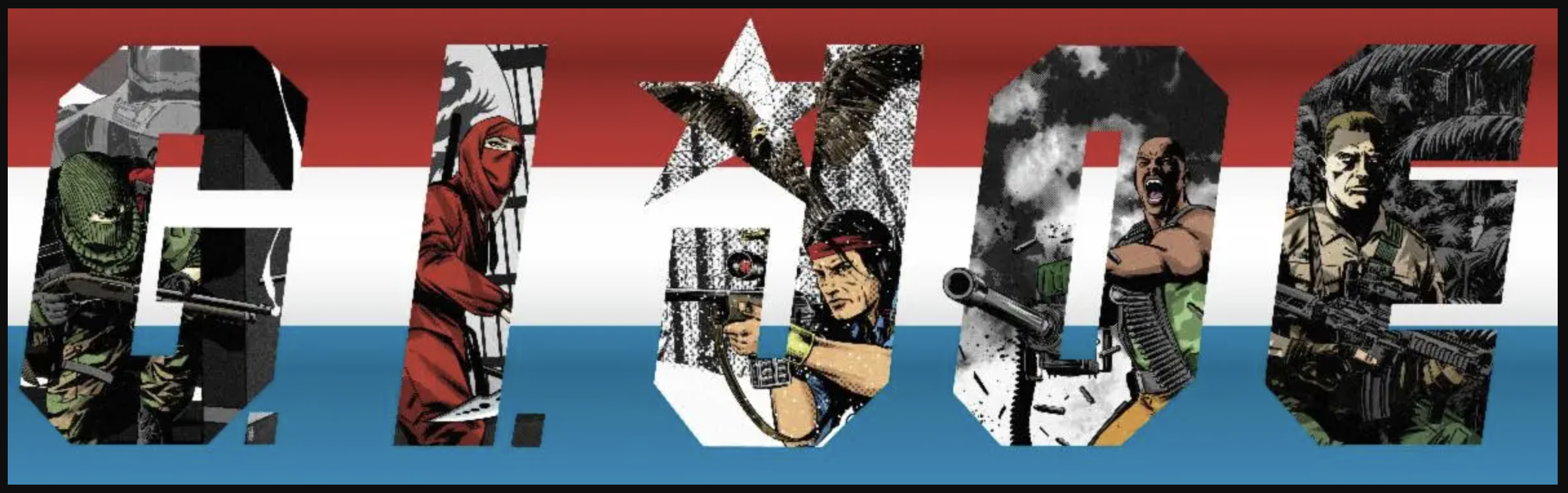
Silent stories with Beach Head, Jinx, and Spirit? Sign me up! Not sure about Roadblock, though, given his role as Heavy Machine Gunner and knack for bad rhymes (in the cartoon, at least).
Regardless of how “Silent Missions Month” goes, this news gives us another opportunity to look at nonverbal teaching actions in the classroom.
In an article for Edutopia, Todd Finley shares a helpful summary of research, specific strategies, and takeaways all focused on . . .

My favorite section of this article is “When should students use gestures?”, which also includes a discussion of when NOT to use gestures.
Nonverbal communication is important for a productive classroom, but it is not an exclusive tool. Similarly, comic books can’t rely on using silent issues all the time. Like all teaching strategies, anything overused soon becomes a gimmick and loses impact.
Teachers, what are your “go-to” gestures or unspoken mannerisms for effective instruction? Please share (or demonstrate) below!
 Teach Like a Superhero!