Silver Linings

Standard

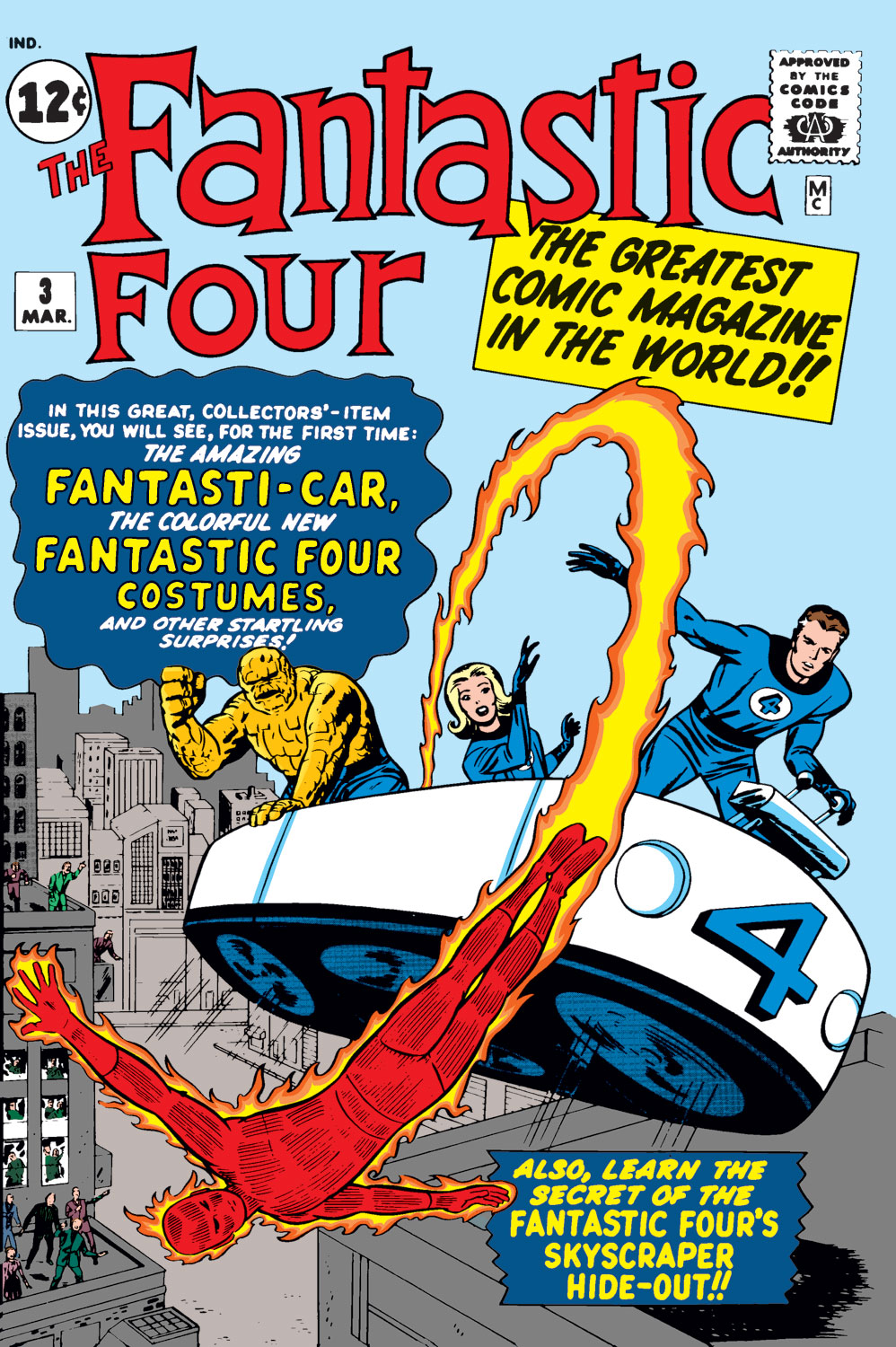
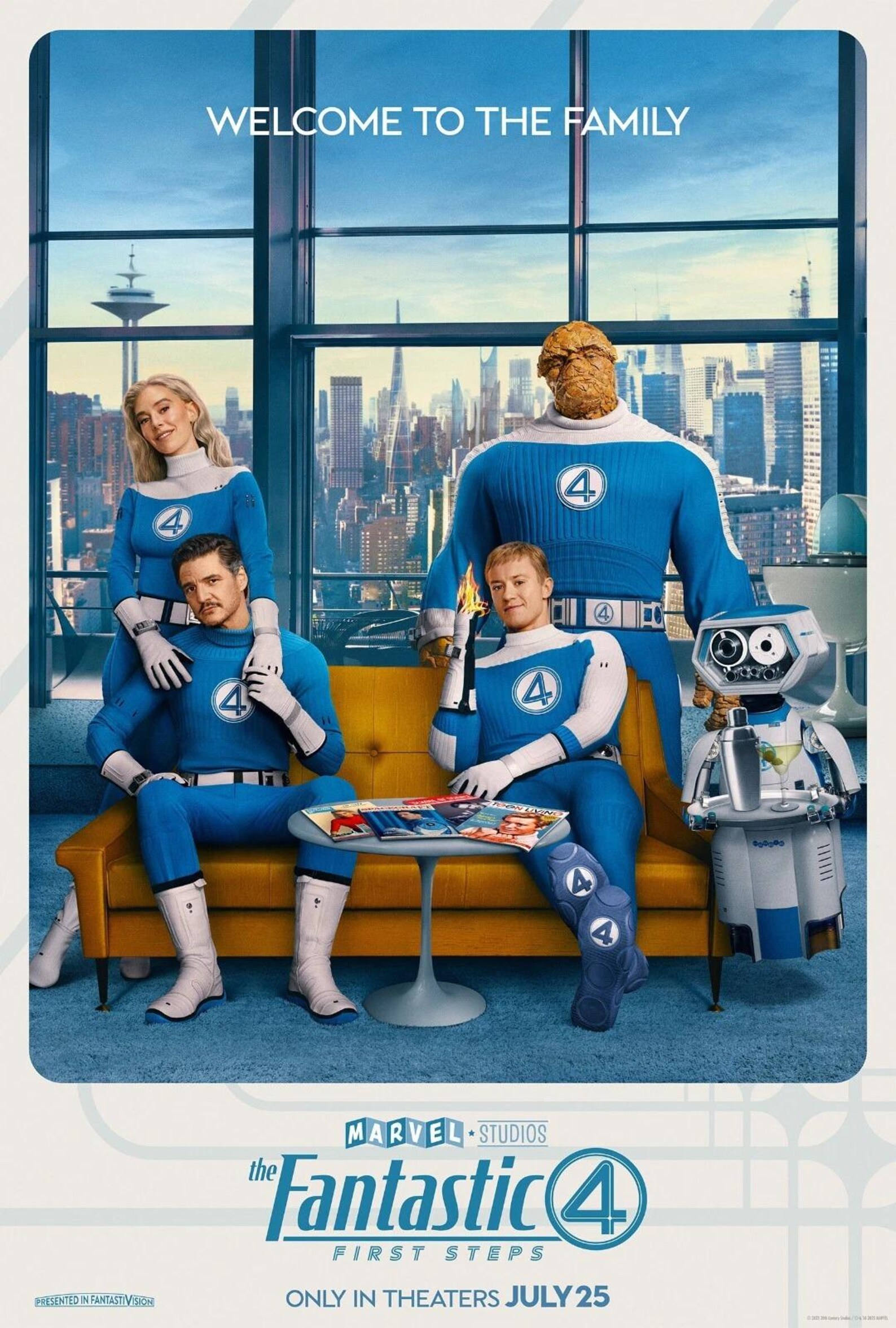
Two new superhero movies this summer have people thinking about the Silver Age of comics. Both DC’s Superman and Marvel’s Fantastic Four: First Steps arrive soon, bringing a shiny glow of nostalgia with them.

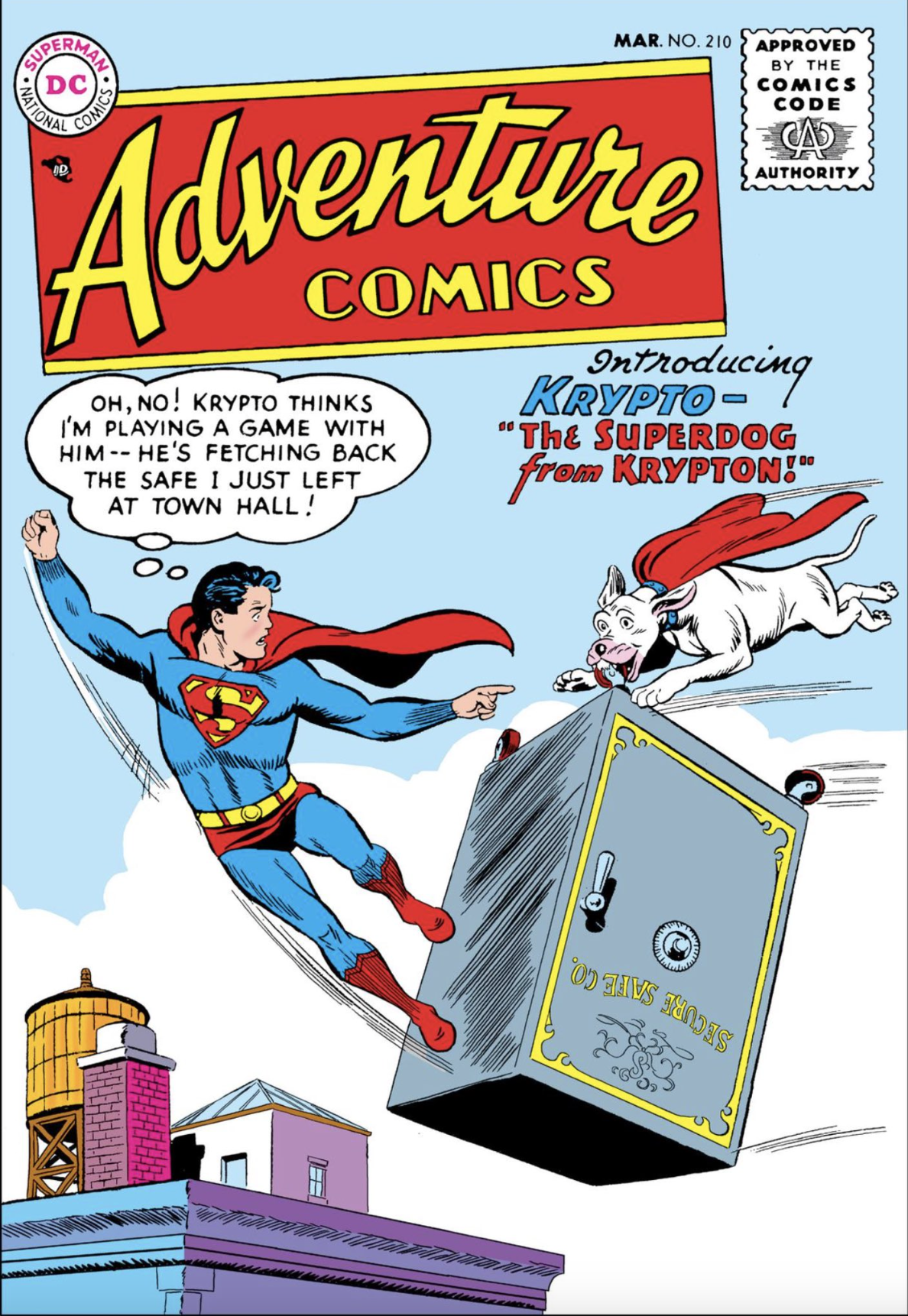
The Silver Age of superhero comics is roughly the late 1950s and all of the 1960s. You can read about it at various places, including this short overview from Book Riot and this library research guide from Tarrant County College (academics!).

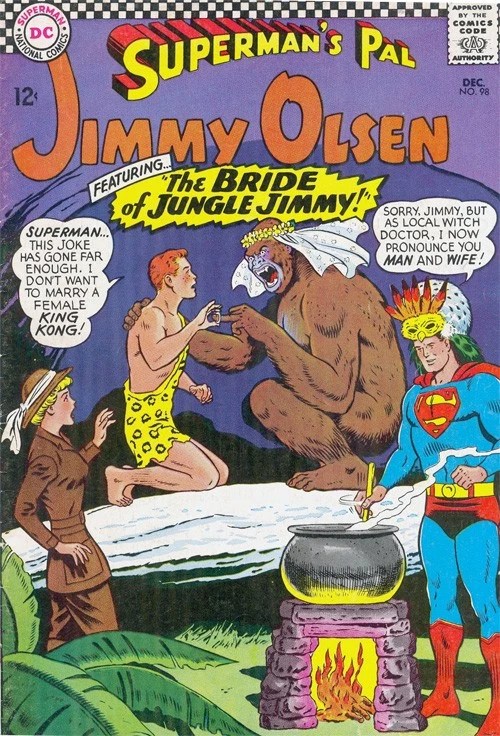
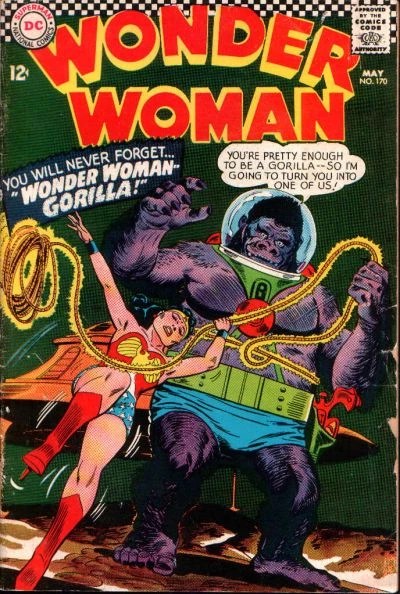
Also, Matt Schimkowitz at AV Club has written a nice review of the Silver Age and how these new superhero movies are a callback to that era. Take a look here! And while you’re at it, check out some of these wacky Silver Age comic book covers:
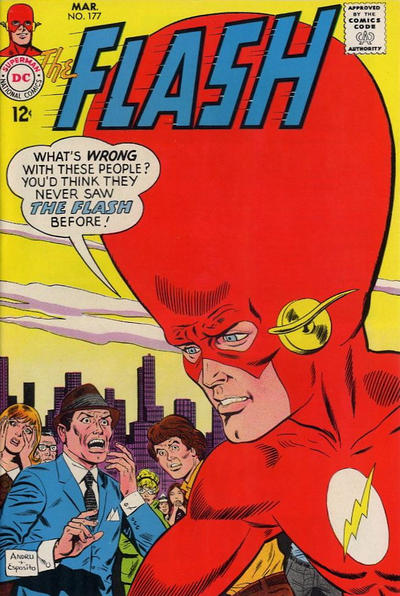
Although remembered for some silly stories and goofy covers, the Silver Age was a transformative time of growth and revival in the world of superhero comics. And the AV Club essay highlights how the world of superhero movies is also nearing a similar juncture in its storied history. Here’s one quote from the article:

“25 years into the superhero movie trend, both franchises needed to look back to this era and find some of the freewheeling personality that made these books so fun in the first place.” 

The world of education, too, is experiencing a pivotal moment. Actually, every year and decade is a pivotal one for educators and students, schools and communities. But we are definitely in an interesting age, with all the “AI” chatter and ongoing challenges with reaching and teaching kids and their families.

Talk of the “Silver Age” brings up some interesting parallels with education. For one, the actual years during the mid-20th century were quite monumental. Things blasted off with Sputnik and Brown v. Topeka Board of Education, and schools navigated through the Space Race, the Vietnam War, the Civil Rights Movement, and more.

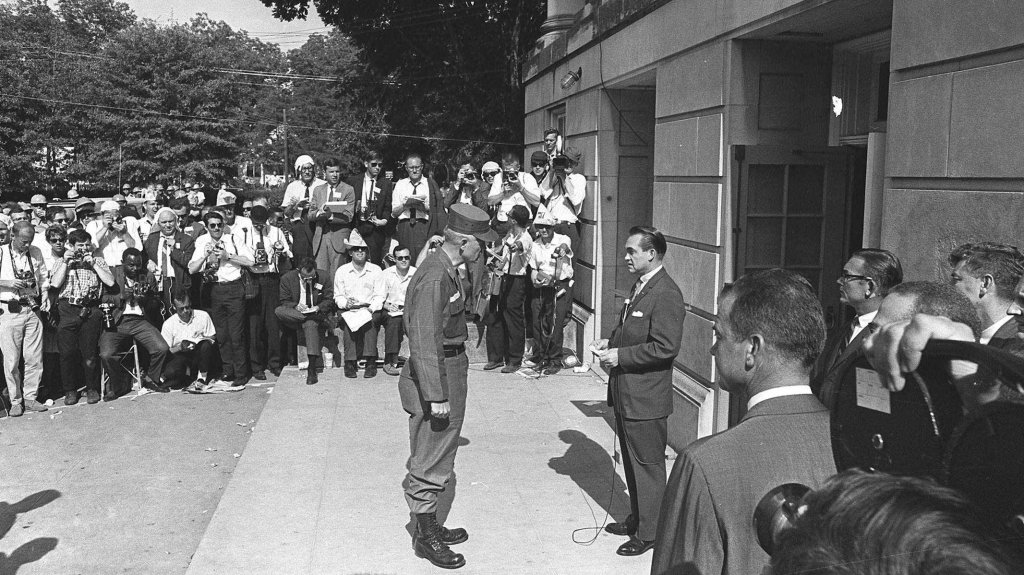
We haven’t changed much since then. Prejudice and protests continue to this day, with education often in the thick of it. Plus, there’s always technological fits and starts to keep us on our toes.

Maybe schools have never left the so-called “Silver Age.” Twists and turns, trends and turmoil are just part of everyday life and society. Even so, take hope in reflecting on “silver linings” celebrated from this era in comics.

When comic book historians discuss the Silver Age, two common themes emerge. The AV Club article linked above addresses this, noting how DC Comics told wildly imaginative stories, while Marvel Comics introduced more relatable characters and realistic interactions.

I’d argue that BOTH of these elements – imagination, relatability – are ESSENTIAL for effective teaching.

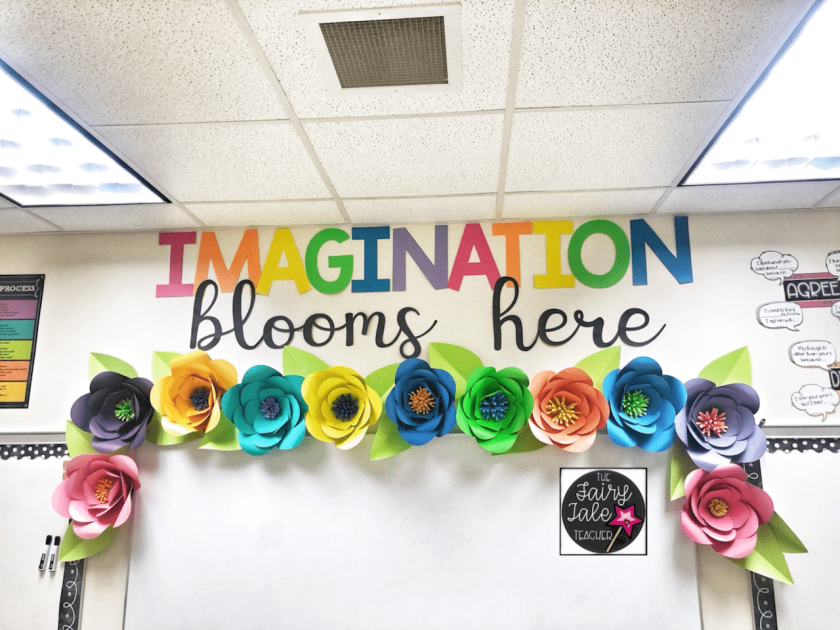
Don’t just take my word on it, either. There’s research and writings all about the importance of imagination in education, from books to thesis papers to encyclopedias.

Same thing with resources for teachers about building rapport and relatability in the classroom. You can find great stuff from organizations like the Learning Policy Institute and American Psychological Association, as well as resources like scholarly journals, education blogs, and more!

So as most of us educators transition into “summer mode” – which may include taking or teaching summer classes, attending and presenting at workshops, and a few weeks known as “unpaid time off” – reflect on the IMAGINATION and RELATABILITY in your classroom, and how you can grow both in your teaching.

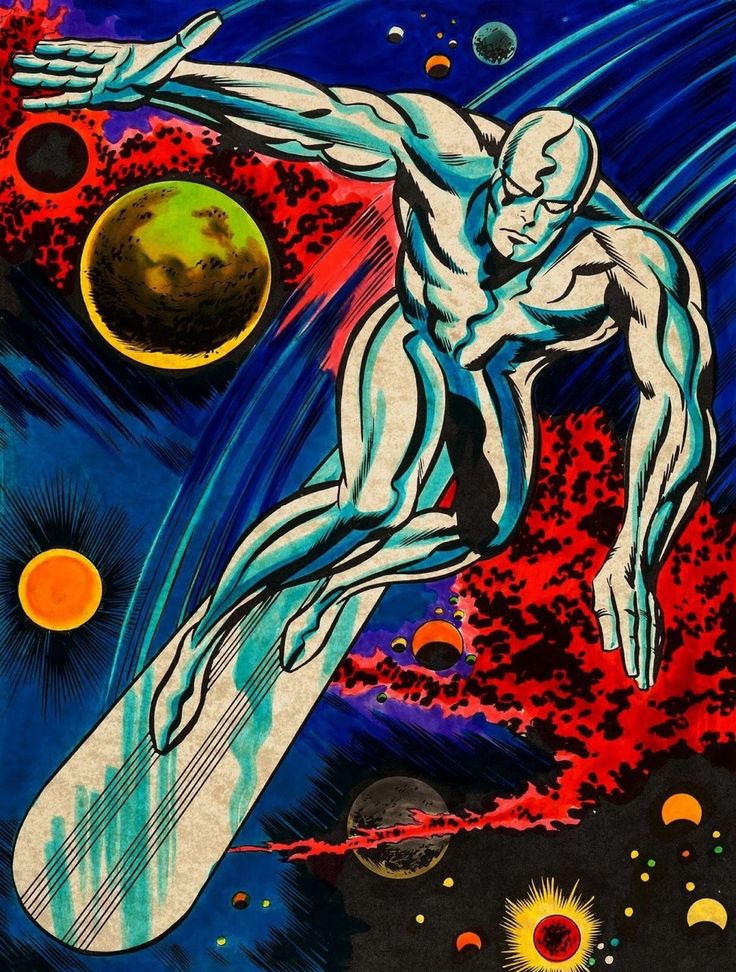
And maybe do some surfing, too!

Most Powerful Weapon

Standard

Image

The Green Lantern’s ring is considered most powerful weapon in the world (in the world that makes up the DC Universe, that is; Marvel fans, you’ll always have the Ultimate Nullifier, as brandished by Reed Richards, a.k.a. super-genius super-elastic Mr. Fantastic, below).

Image

“Galactus, shmalactus!”

The origins of the Green Lantern’s power comes from some giant green bug zapper on the alien planet Oa, but it’s widely recognized that the true power source is a mix of courage and creativity possessed by the ring-bearer.

Courageous heroes have been a dime a dozen since the Golden Age of comics (with inflation for today’s era, that’s more like $3.99 and a free digital download a dozen).

I’ve got nothing against courage, but to me what makes a Green Lantern special is that his (or her) powers are limited only by the ring-bearer’s creativity and imagination.

Image  

ImageImage


“Imagination is more important than knowledge.” 

Albert Einstein said that, and he’s probably the closest thing to a super-genius we’ll ever have in our real world.  (At the least, he looks the part.)

Image

We may not ever teach the next Albert Einstein, but we can help each individual practice and expand his and her creative energies.  All of our students have creative potential.  (And for anyone who thinks otherwise, just take a quick look at the stall graffiti in a boys’ restroom.)

I would imagine that all of us teachers want to encourage creativity in our students.  Such ingenuity is welcomed in our current world exploding with “user-generated” content.  However, a 2012 survey found that a majority of Americans (82%) felt that “as a country, we are not living up to our creative potential.”  A lesser number (but still a majority—62%) of Americans felt that our educational system stifles creativity.

Granted, this survey was published in a report by Adobe to coincide with the launch of its new Creative Suite 6 software, so maybe there’s a little extra motivation to push creativity.  Software purchases and preferences aside, I’m sure most of us would agree a little more creativity is a good thing in our schools and society.


So how do we foster creativity in our schools? 

When I was a new science teacher, I struggled to overcome a reliance on bland vocabulary memorization and plug-and-chug calculations for finding velocity, genotype probabilities, limiting reagents, etc.  Science has always suffered from the misconception that scientific work is “uncreative.”  This myth has festered in part due to a litany of “cookbook” lab activities that instill tedious conformity and an emphasis on a singular, step-by-step “scientific method” (McComas, 1996).

Nevertheless, I soon found that there are all sorts of ways to teach and encourage student creativity in the science classroom.  Even if you don’t teach science (Reed Richards and I forgive you), consider how you can use some of the following ideas from Clark, Clough, and Berg (2000, p. 42) to mentally engage students in creative thinking in your own subject discipline. (Here’s a hint: replace “lab” with “activity” or “project,” and remember “data” = “information”):

  1. Consider including students in determining the lab question to be investigated.
  2. Encourage students to invent laboratory procedures (consider safety, equipment, and cognitive issues).
  3. Structure the experience so students are mentally engaged in the lab, even if they cannot invent laboratory procedures.
  4. Encourage students to consider and defend what data is relevant and irrelevant.
  5. Have students decide what their data mean.
  6. Require students to apply mathematical reasoning to problems.
  7. Make students responsible for clearly communicating their lab work in a clear manner (creating their own data tables, organizing and presenting information, etc.).
  8. Have students set goals, make decisions, and assess their own progress.
  9. Ask questions that spark ideas and reduce student frustration.
  10. Refrain from summative evaluations of students’ ideas and interpretations.

Chances are you won’t be able to make each of these changes to every lesson.  But you can assuredly make a few tweaks and adjustments to an activity here, an assignment there, and gradually transform your classroom into a place that cultivates and champions creativity.


Does this transformation sound daunting?  Scary?

Image

If you need some extra courage, just grab a green ring and recite the following oath:

  In brightest day, in blackest night,

           No evil doldrums shall escape my sight.

           Let those who worship evil’s humdrum’s might,

           Beware my power, Green Lantern’s CREATIVE light!!!


So is creativity the most powerful weapon in the universe?  Perhaps.  Or maybe it’s something different.

In honor of Nelson Mandela’s recent passing, consider his words:

“Education is the most powerful weapon which you can use to change the world.”

Now there’s a hero.

Image


Recommended Reading:

Clark, R., Clough, M., & Berg, C. (2000). Modifying cookbook labs. The Science Teacher, 67 (7), 40-43. Available at http://www.nsta.org/publications/news/story.aspx?id=45060.

McComas, W.R. (1996). Ten myths of science: Reexamining what we think we know about the nature of science. School Science and Mathematics, 96(1), 10-16.  Available at http://onlinelibrary.wiley.com/doi/10.1111/j.1949-8594.1996.tb10205.x/abstract.