Bizarro Blues

Standard

The newest Superman movie mere days away!

Over the years on this blog, we’ve talked many times about connections between the Man of Steel and Teachers of Schoolsecret hideouts, weird superpowers, extreme makeovers, teaching with hope, and more.

Let’s take a look at one more element of Superman lore and its educational applications – Kryptonite.

Most casual fans know that Kryptonite is the radioactive green mineral that can weaken or even kill Kryptonians like Superman. What you may not know is that there are ALL kinds of Kryptonite colors – each one with its own side effects.

My personal favorite is Periwinkle Kryptonite, which you can learn more about HERE.

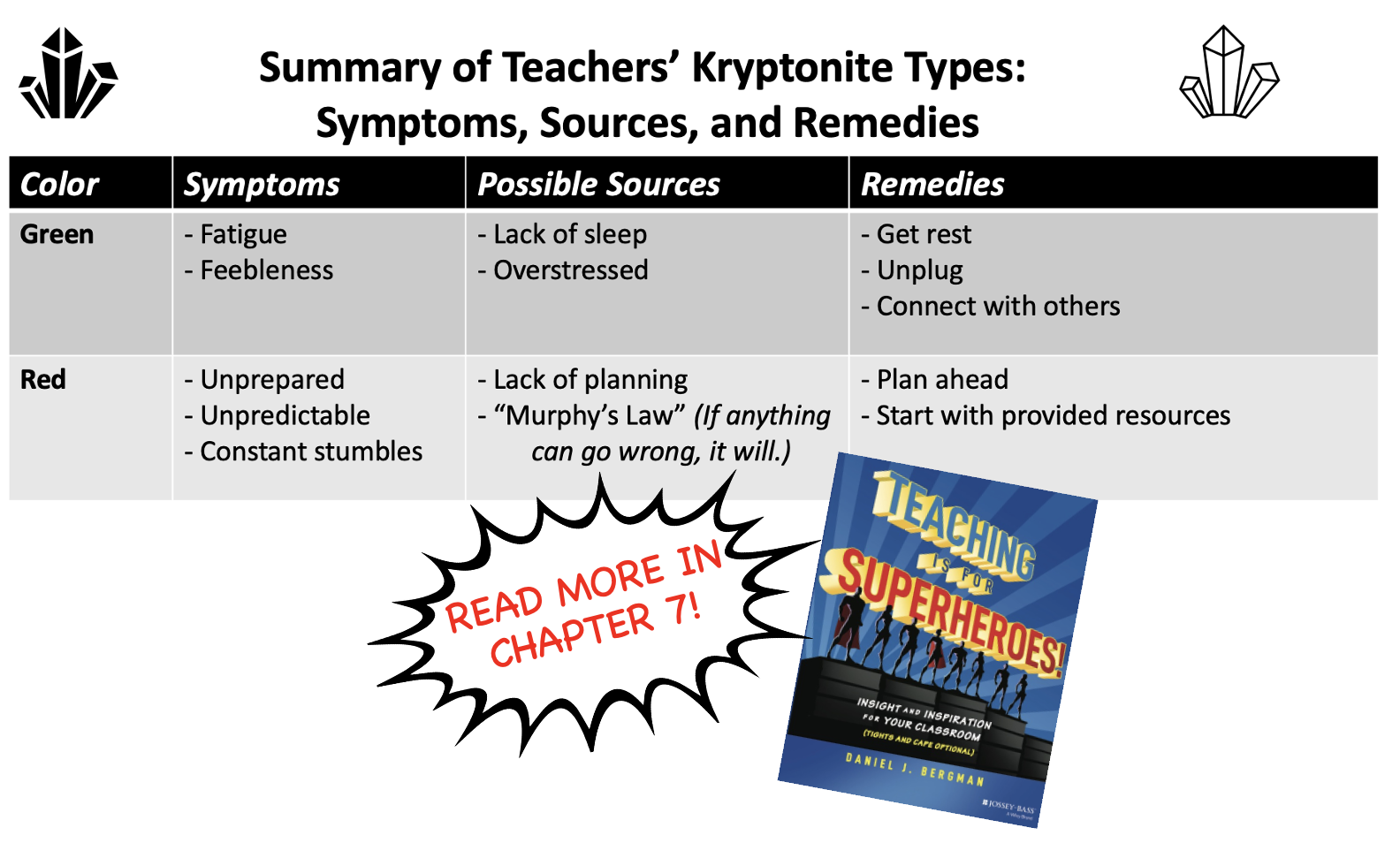
In my book, Teaching Is for Superheroes!, I devote an entire chapter to assorted Kryptonite colors and parallel vulnerabilities experienced by teachers (e.g. green = fatigue, red = unpredictability, white = lack of growth, etc.). Here’s a sneak peek:

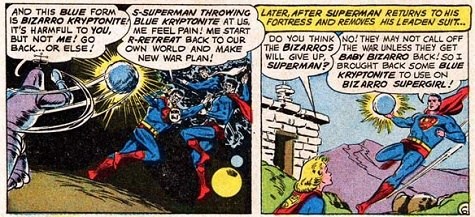
One color NOT covered in my book is Blue Kryptonite. This type is harmless to Superman, but is dangerous and lethal to his distorted doppelganger, Bizarro.

How does Blue Kryptonite apply to teachers? Each educator has their own strengths and weaknesses, personalities and professional expertise. It stands to reason, then, that we each may be vulnerable under different contexts and conditions.

Think of it this way: What’s an issue you consider no big deal, but is an incredible struggle for a colleague? When others want to rip out their hair, you simply shrug your shoulders.

This could be anything during a given school day or year. There are “big” things like curriculum choices, assessment plans, or management models. Or it might be something “small” like a fire drill, a jammed copier machine, or empty coffee pot*.

*If you’re not a coffee drinker, who cares? But watch out for Shannon, who gulps down three Ventis before lunch.

Courtesy of KamranAydinov via Freepik

Many challenges become less of an issue as you gain experience and skills. Regardless, a seemingly “minor” item may be VERY “major” to a particular person.

Vulnerabilities often appear alongside our strengths. Teachers with meticulous lessons might struggle when plans change. Others who “wing it” day-to-day could falter when they must prepare for a substitute teacher or formal observation. Someone who’s a wiz with Apple technology could feel useless with a Chromebook, and vice versa.

Here’s the beauty of Blue Kryptonite: Those unaffected can help others who struggle. And we should ALL stay humble, knowing every one of us has our personal pitfalls.

Don’t view someone as “bizarre” for their unique liabilities. Instead, look for ways to support them and learn as a community of imperfect individuals.

This applies to our teaching colleagues as well as our students. Each classroom contains a colorful roster of characters-such as those in the new film! (See you at the theater!)

KISS = Keep It Simple Superman

Standard

The latest Superman film is almost here, with a slew of predictions, hype, and interviews. (Sort of like every back-to-school season, right? No? At least we get a playlist.)

One interesting super-nugget came from a recent interview with writer/director/co-producer James Gunn. The movie’s official title has changed from Superman: Legacy to just Superman.

Here is a quote from Gunn about the name change:

[I]t was called Superman: Legacy. Even though I was the one that gave it that title, I just wasn’t sure. First of all, I’m sick of the superhero title, colon, other-name thing. And then also it seemed to be looking back when we’re looking forward . . .

This is a trend in other DC film projects. Another immediate name change is to upcoming film Supergirl: Woman of Tomorrow, reducing it to Supergirl. Again, not a huge trim, but definitely simplified.

Heck, just take a look at the Superman movies over the last half-century and notice simplification to not only the titles, but the logos as well.

Maybe you’ve heard the acronym, KISS, for “Keep it simple, stupid.” Rather blunt, but I guess that’s the point. Don’t let things get too complicated or clunky to become a distraction or detriment.

In the world of education, we also see this emphasis on simplification (often from a reactionary stance). You can find calls to simplify in teacher advice, pandemic adjustments, blogs, businesses, and more.

Cognitive Overload (courtesy of jcomp via Freepiik)

Scientifically, keeping things simple helps avoid “cognitive overload,” which the American Psychological Association defines as “the situation in which the demands placed on a person by mental work (the cognitive load) are greater than the person’s mental abilities can cope with.”

You can find this definition and strategies for simplifying lessons at a helpful essay (and book excerpt) from Miriam Plotinsky and Edutopia HERE.

You can also find inspiration from the American classic Walden by Henry David Thoreau, and his famous lines published waaaaaay back in 1854:

“Our life is frittered away by detail. Simplify, simplify, simplify! I say, let your affairs be as two or three, and not a hundred or a thousand; instead of a million count half a dozen, and keep your accounts on your thumb-nail.”

Educators can apply another idea from the James Gunn interview about producing multiple superhero projects. In discussing title changes, the creator describes a process he calls “premortem,” in which he and his team preview potential problems with their show and proactively address them. If the production were to fail, they challenge themselves to consider some reasons it might. This could be anything from casting to the aforementioned title.

Teachers, we should do the same thing for our lessons. How could the lesson fail? What are some potential pitfalls–logistically or academically? Where do you need additional details? Fewer? Where can you simplify?

If it helps, use a handy checklist like this one. Or maybe your school district provides guidelines. (Word of Caution: You can find a lot of these online, and some could be simplified!)

A lesson that needs changes (courtesy of stockking via Freepik)

For all you teachers in the midst of your summer “break,” pause a moment to try two things.

First, perform a mental “premortem” on at least one of your challenging lessons or units. Where could you simplify or make other adjustments to improve student learning? (Maybe wait until your back-to-school week to really get into it. Until then, just jot down things to check as they come to mind.)

Second, in the meantime, get away and go somewhere–maybe a picturesque landscape that’s nearby–to reflect and refresh. It doesn’t have to be Walden Pond (or outer space), but wherever you can unplug and reconnect with what–and who–is important.

Silver Linings

Standard

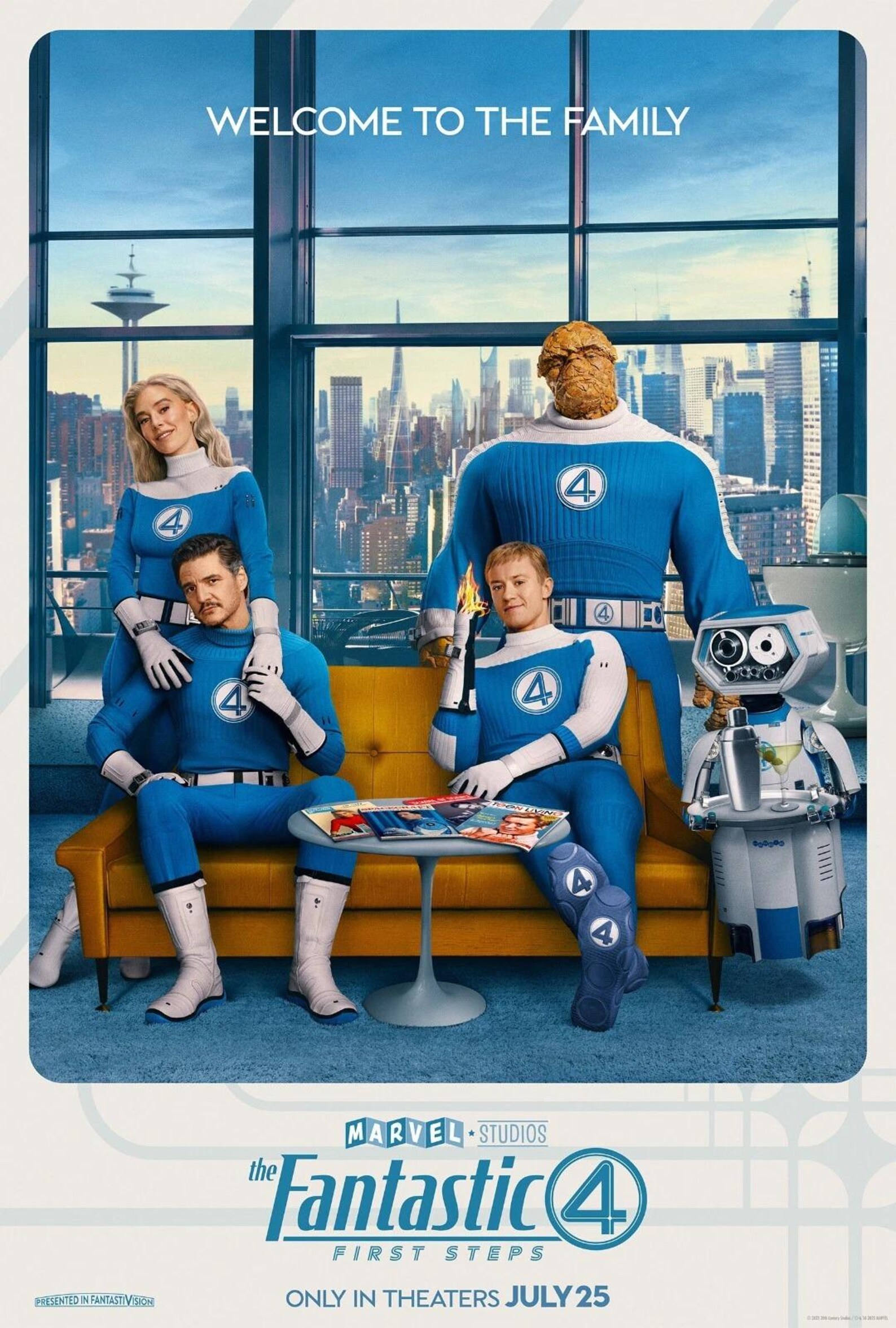
Two new superhero movies this summer have people thinking about the Silver Age of comics. Both DC’s Superman and Marvel’s Fantastic Four: First Steps arrive soon, bringing a shiny glow of nostalgia with them.

The Silver Age of superhero comics is roughly the late 1950s and all of the 1960s. You can read about it at various places, including this short overview from Book Riot and this library research guide from Tarrant County College (academics!).

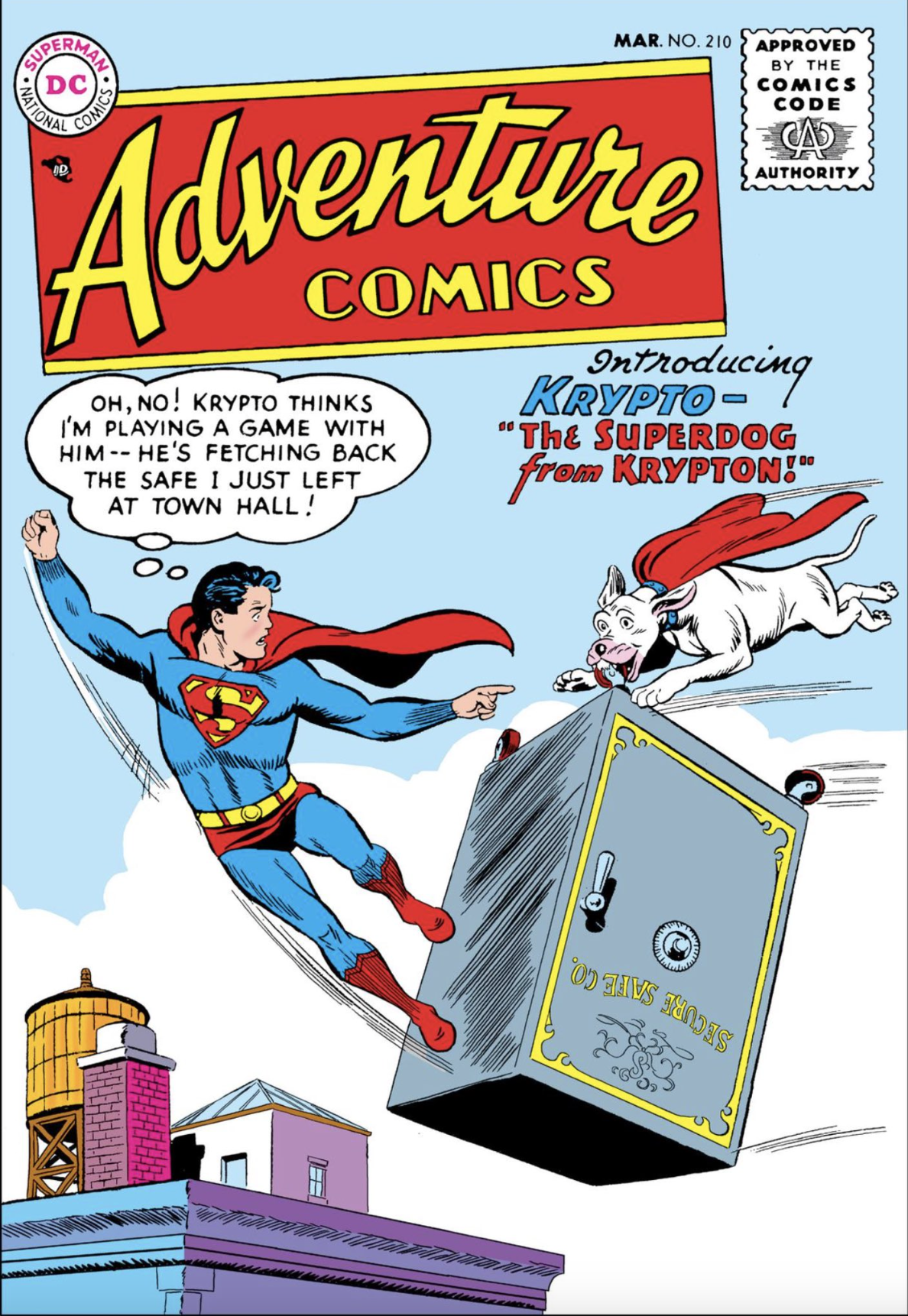
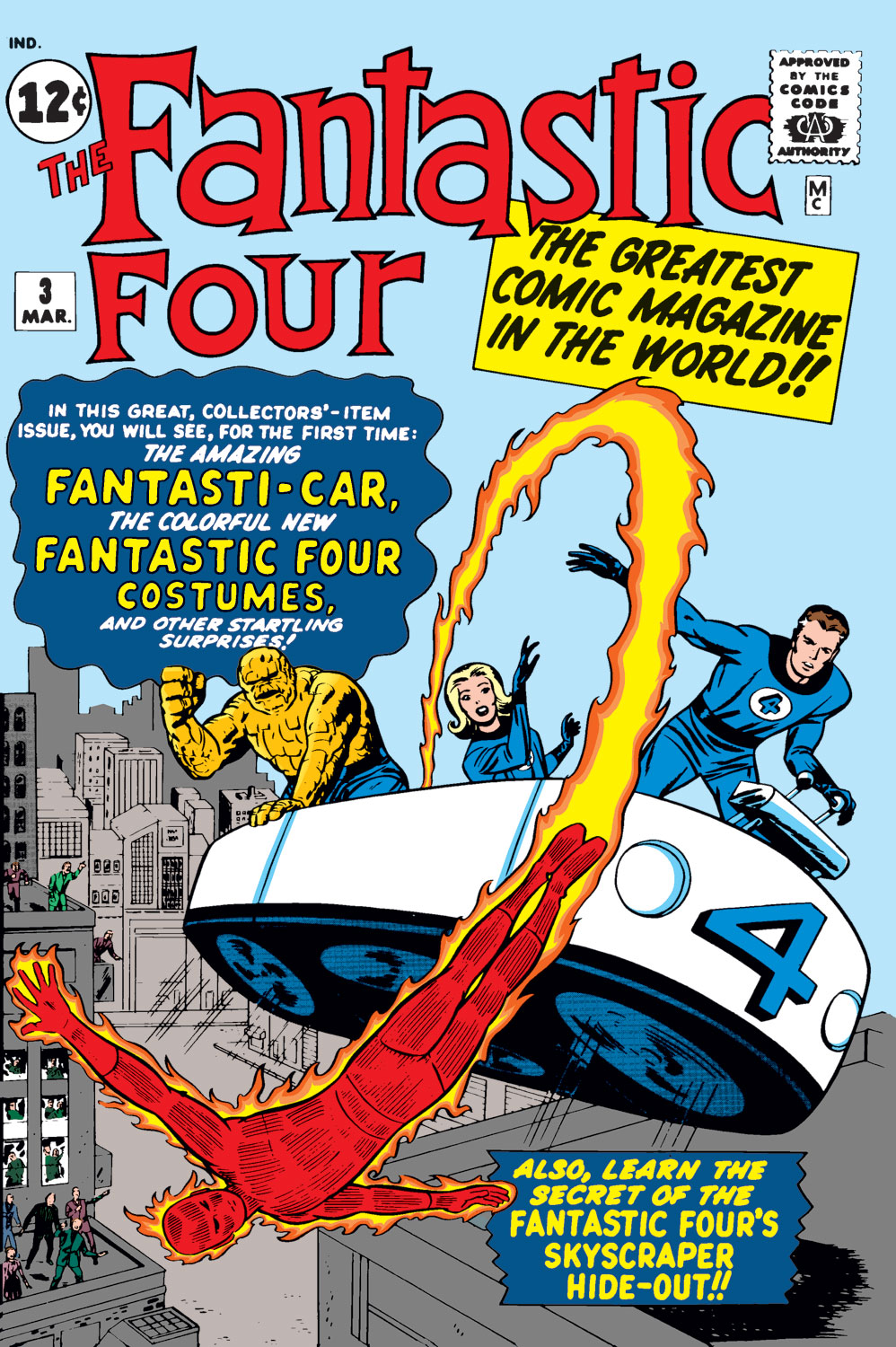
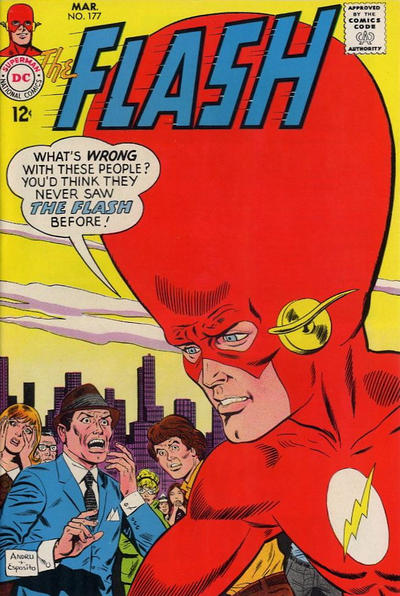
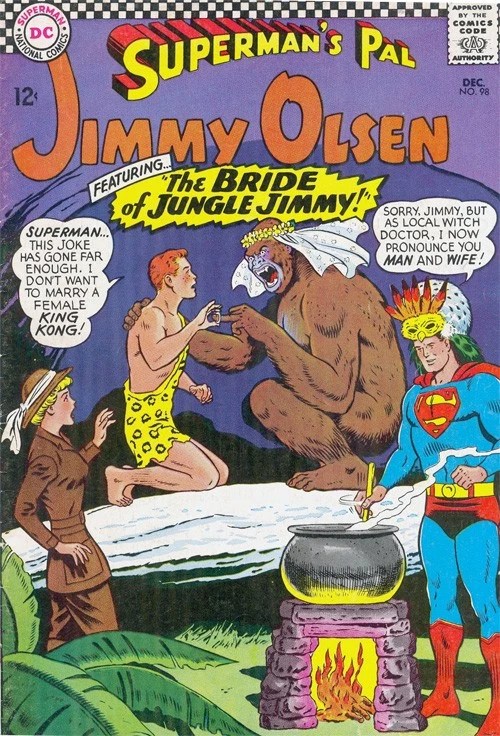
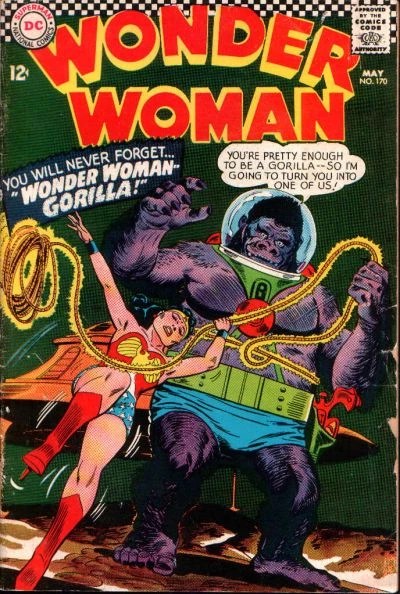
Also, Matt Schimkowitz at AV Club has written a nice review of the Silver Age and how these new superhero movies are a callback to that era. Take a look here! And while you’re at it, check out some of these wacky Silver Age comic book covers:

Although remembered for some silly stories and goofy covers, the Silver Age was a transformative time of growth and revival in the world of superhero comics. And the AV Club essay highlights how the world of superhero movies is also nearing a similar juncture in its storied history. Here’s one quote from the article:

“25 years into the superhero movie trend, both franchises needed to look back to this era and find some of the freewheeling personality that made these books so fun in the first place.” 

The world of education, too, is experiencing a pivotal moment. Actually, every year and decade is a pivotal one for educators and students, schools and communities. But we are definitely in an interesting age, with all the “AI” chatter and ongoing challenges with reaching and teaching kids and their families.

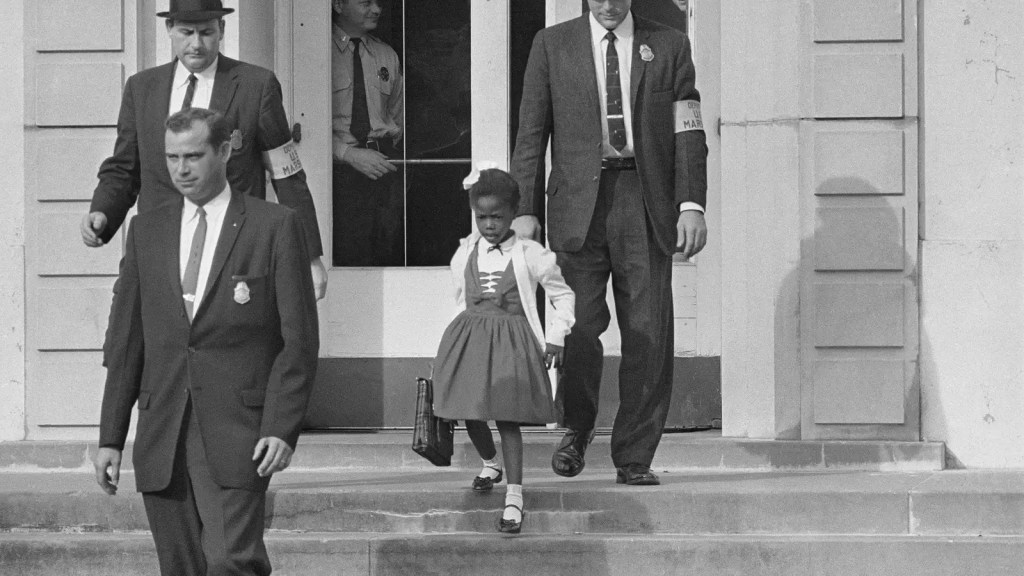
Talk of the “Silver Age” brings up some interesting parallels with education. For one, the actual years during the mid-20th century were quite monumental. Things blasted off with Sputnik and Brown v. Topeka Board of Education, and schools navigated through the Space Race, the Vietnam War, the Civil Rights Movement, and more.

We haven’t changed much since then. Prejudice and protests continue to this day, with education often in the thick of it. Plus, there’s always technological fits and starts to keep us on our toes.

Maybe schools have never left the so-called “Silver Age.” Twists and turns, trends and turmoil are just part of everyday life and society. Even so, take hope in reflecting on “silver linings” celebrated from this era in comics.

When comic book historians discuss the Silver Age, two common themes emerge. The AV Club article linked above addresses this, noting how DC Comics told wildly imaginative stories, while Marvel Comics introduced more relatable characters and realistic interactions.

I’d argue that BOTH of these elements – imagination, relatability – are ESSENTIAL for effective teaching.

Don’t just take my word on it, either. There’s research and writings all about the importance of imagination in education, from books to thesis papers to encyclopedias.

Same thing with resources for teachers about building rapport and relatability in the classroom. You can find great stuff from organizations like the Learning Policy Institute and American Psychological Association, as well as resources like scholarly journals, education blogs, and more!

So as most of us educators transition into “summer mode” – which may include taking or teaching summer classes, attending and presenting at workshops, and a few weeks known as “unpaid time off” – reflect on the IMAGINATION and RELATABILITY in your classroom, and how you can grow both in your teaching.

And maybe do some surfing, too!

Talk with the Hand (Gestures)

Standard

G.I. Joe (A Real American Hero) is back in the spotlight of the comic book world, with multiple ongoing series and a whole new interconnected universe.

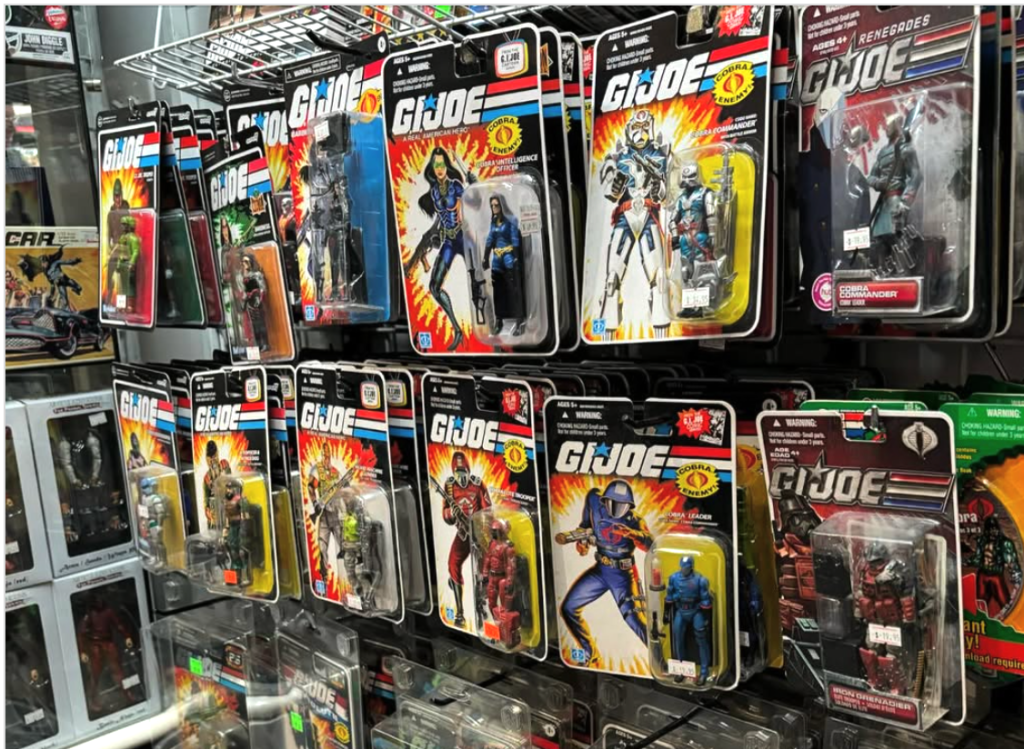
For those NOT in the know[ing is half the battle], G.I. Joe is basically “army superheroes.” It’s got high-stakes sci-fi action, soap opera drama, and all a store rack full of colorful characters.

We’ve already featured G.I Joe here in the past, focusing on the milestone “silent issue” #21 that tells a complete comic book story with ZERO dialogue and sound effects.

Check out our original post HERE, which discusses all of the unspoken behaviors that impact classroom instruction, and strategies for teachers to improve their interactions with students.

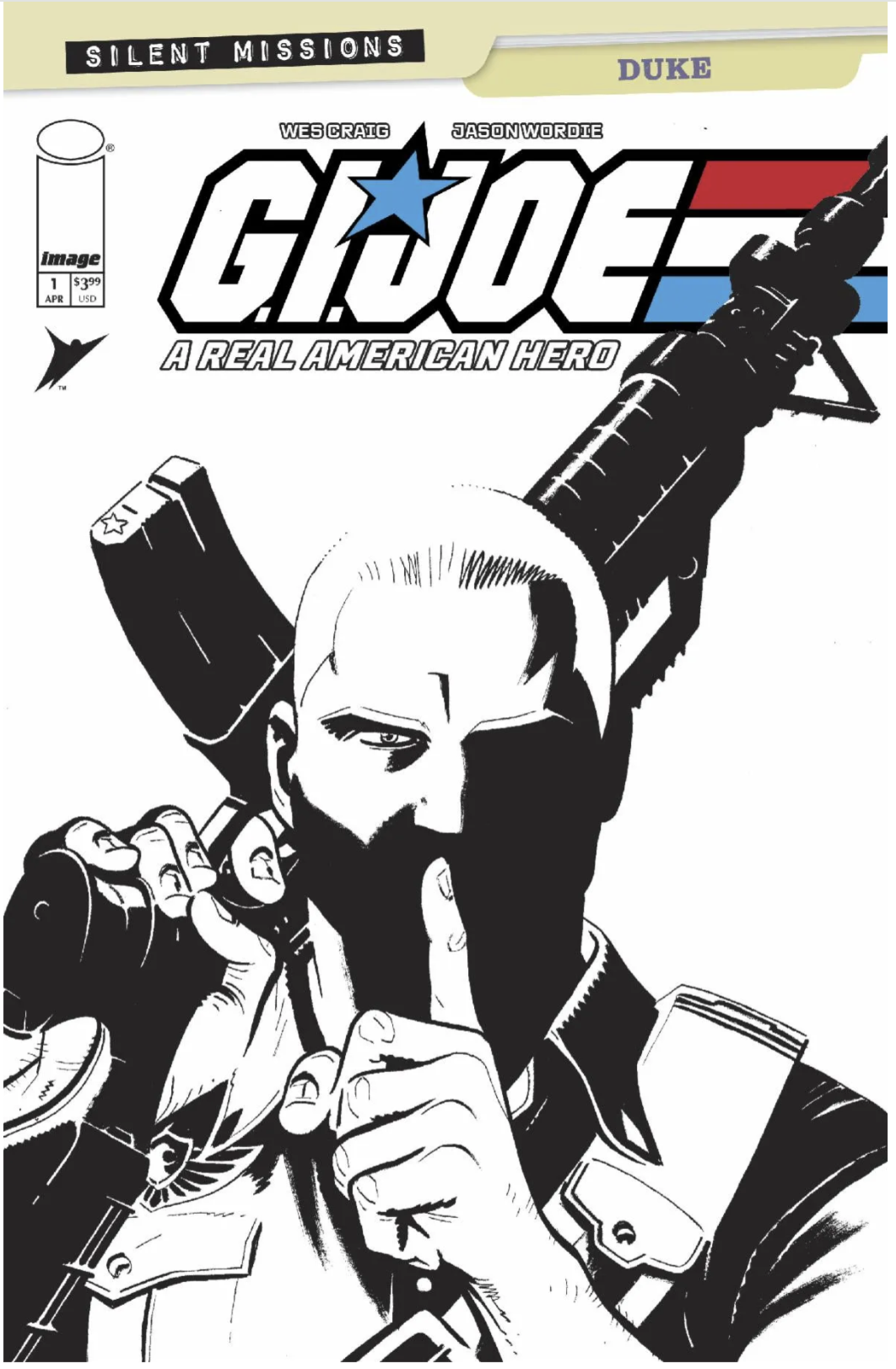
G.I. Joe #21 is so influential that many other comic books tried their own “silent” issues over the years. In fact, publisher Skybound has announced a special “Silent Missions Month” in April 2025. Five different Joes get their own story told in the same word-free style.

Silent stories with Beach Head, Jinx, and Spirit? Sign me up! Not sure about Roadblock, though, given his role as Heavy Machine Gunner and knack for bad rhymes (in the cartoon, at least).

Regardless of how “Silent Missions Month” goes, this news gives us another opportunity to look at nonverbal teaching actions in the classroom.

In an article for Edutopia, Todd Finley shares a helpful summary of research, specific strategies, and takeaways all focused on . . .

My favorite section of this article is “When should students use gestures?”, which also includes a discussion of when NOT to use gestures.

Nonverbal communication is important for a productive classroom, but it is not an exclusive tool. Similarly, comic books can’t rely on using silent issues all the time. Like all teaching strategies, anything overused soon becomes a gimmick and loses impact.

Teachers, what are your “go-to” gestures or unspoken mannerisms for effective instruction? Please share (or demonstrate) below!