

The latest Superman film is almost here, with a slew of predictions, hype, and interviews. (Sort of like every back-to-school season, right? No? At least we get a playlist.)
One interesting super-nugget came from a recent interview with writer/director/co-producer James Gunn. The movie’s official title has changed from Superman: Legacy to just Superman.
Here is a quote from Gunn about the name change:
[I]t was called Superman: Legacy. Even though I was the one that gave it that title, I just wasn’t sure. First of all, I’m sick of the superhero title, colon, other-name thing. And then also it seemed to be looking back when we’re looking forward . . .
This is a trend in other DC film projects. Another immediate name change is to upcoming film Supergirl: Woman of Tomorrow, reducing it to Supergirl. Again, not a huge trim, but definitely simplified.
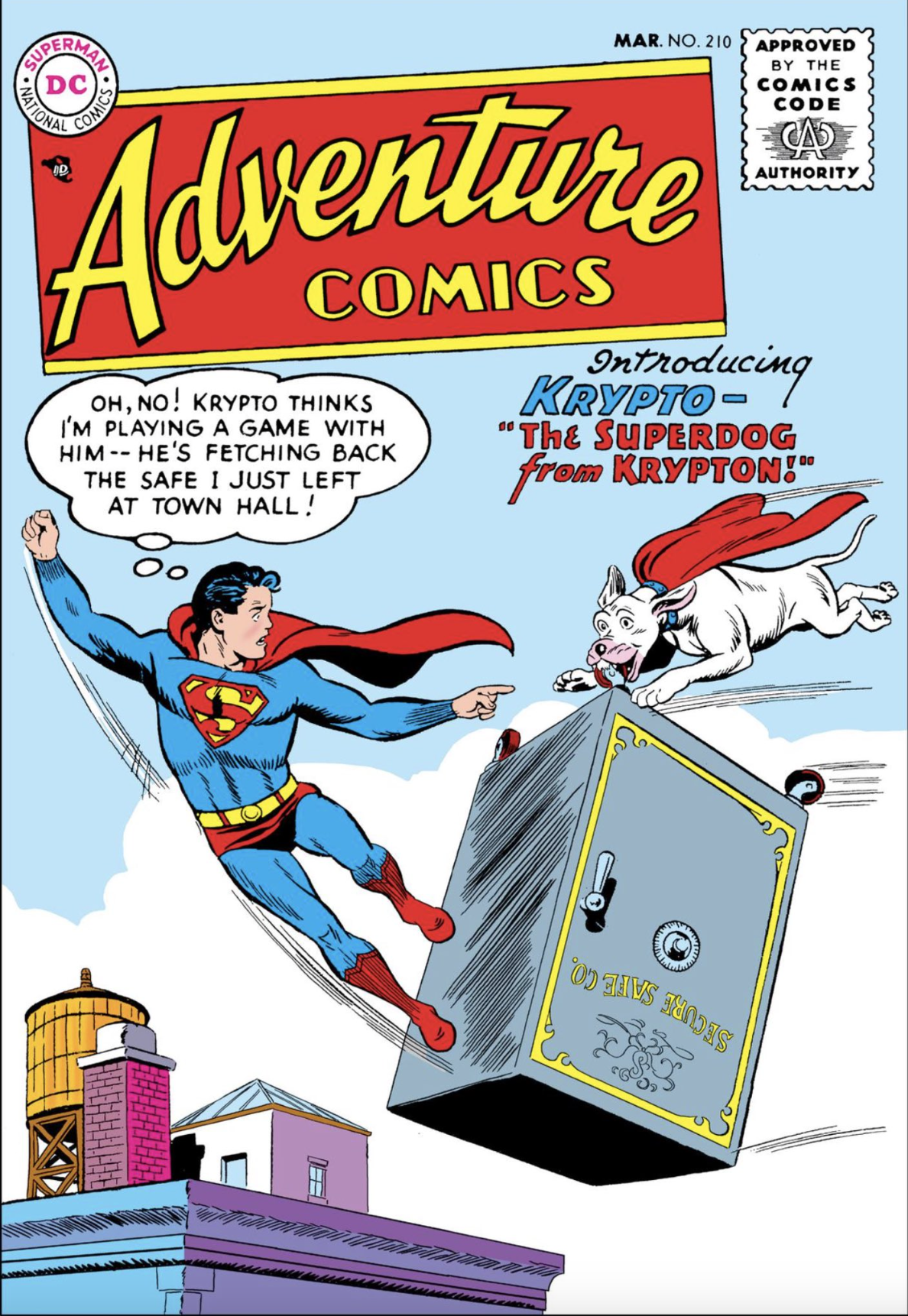
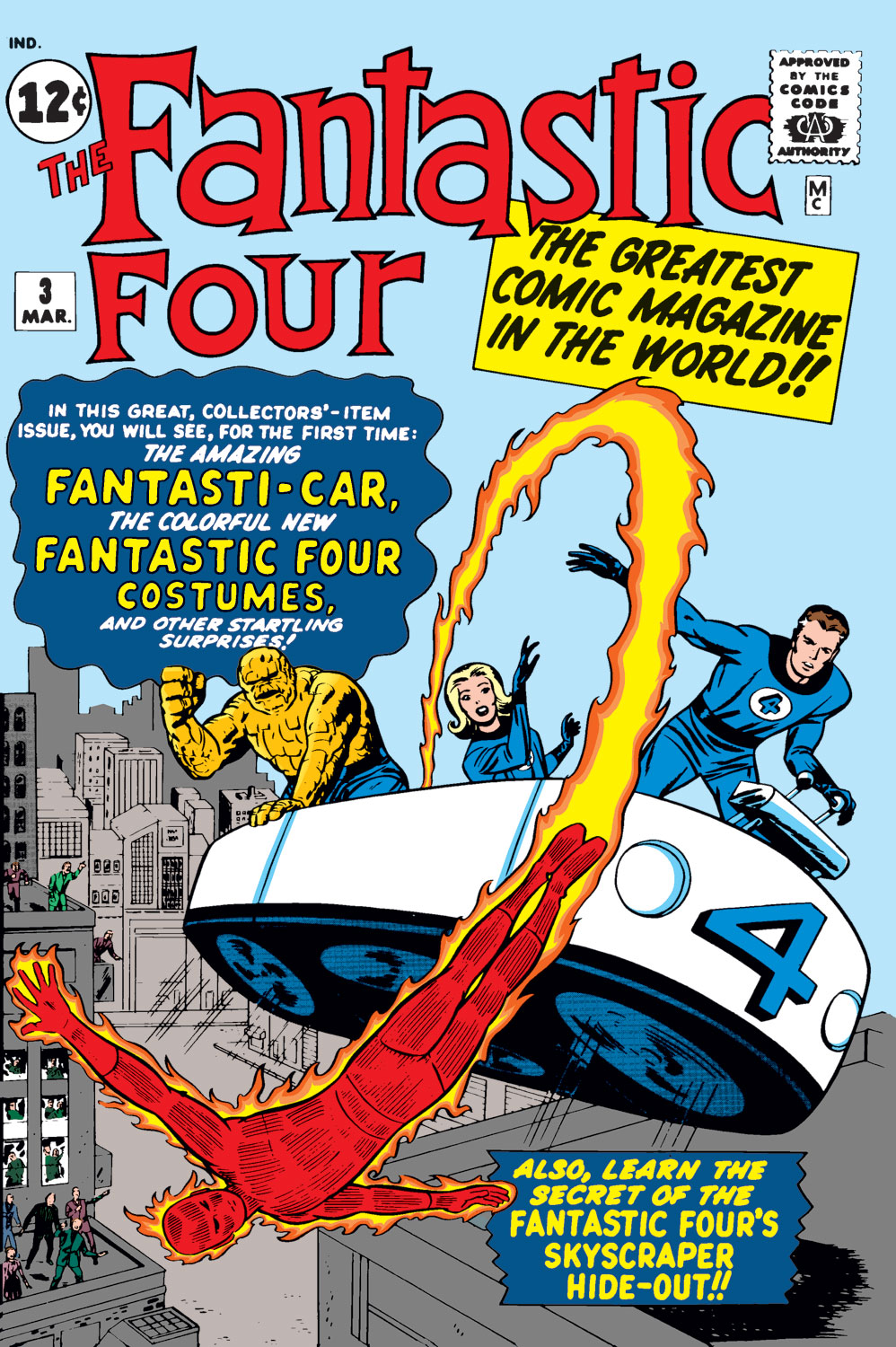
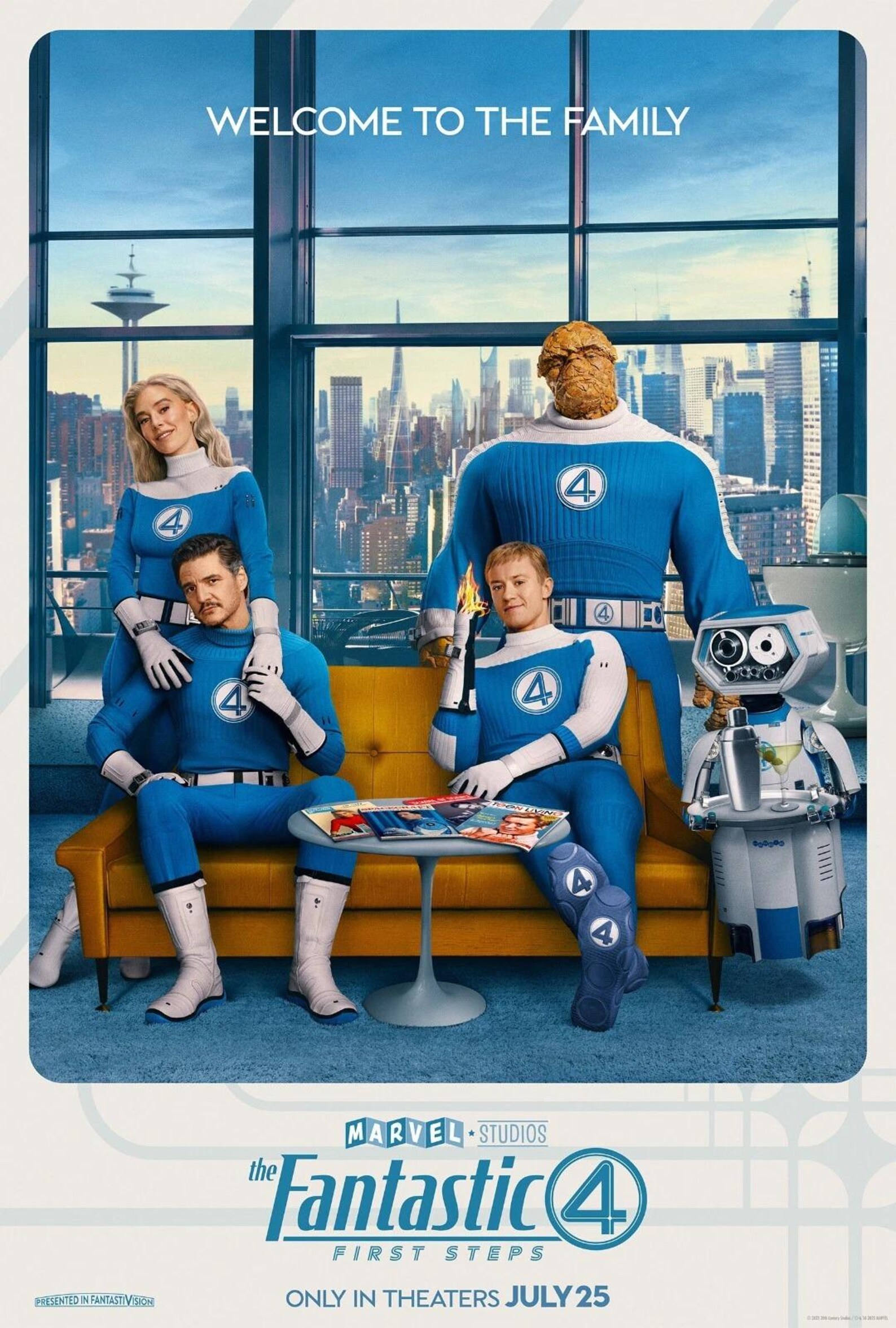
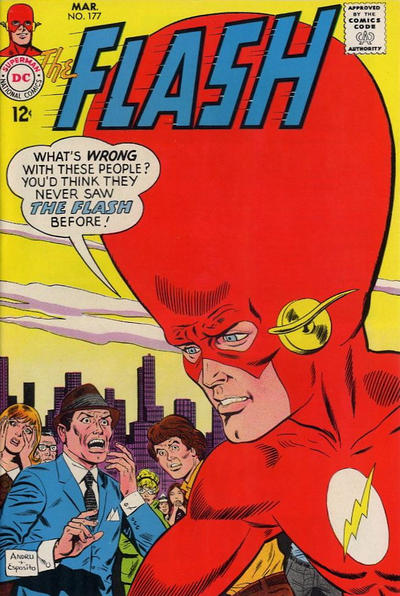
Heck, just take a look at the Superman movies over the last half-century and notice simplification to not only the titles, but the logos as well.

Maybe you’ve heard the acronym, KISS, for “Keep it simple, stupid.” Rather blunt, but I guess that’s the point. Don’t let things get too complicated or clunky to become a distraction or detriment.
In the world of education, we also see this emphasis on simplification (often from a reactionary stance). You can find calls to simplify in teacher advice, pandemic adjustments, blogs, businesses, and more.

Scientifically, keeping things simple helps avoid “cognitive overload,” which the American Psychological Association defines as “the situation in which the demands placed on a person by mental work (the cognitive load) are greater than the person’s mental abilities can cope with.”
You can find this definition and strategies for simplifying lessons at a helpful essay (and book excerpt) from Miriam Plotinsky and Edutopia HERE.
You can also find inspiration from the American classic Walden by Henry David Thoreau, and his famous lines published waaaaaay back in 1854:
“Our life is frittered away by detail. Simplify, simplify, simplify! I say, let your affairs be as two or three, and not a hundred or a thousand; instead of a million count half a dozen, and keep your accounts on your thumb-nail.”

Educators can apply another idea from the James Gunn interview about producing multiple superhero projects. In discussing title changes, the creator describes a process he calls “premortem,” in which he and his team preview potential problems with their show and proactively address them. If the production were to fail, they challenge themselves to consider some reasons it might. This could be anything from casting to the aforementioned title.
Teachers, we should do the same thing for our lessons. How could the lesson fail? What are some potential pitfalls–logistically or academically? Where do you need additional details? Fewer? Where can you simplify?
If it helps, use a handy checklist like this one. Or maybe your school district provides guidelines. (Word of Caution: You can find a lot of these online, and some could be simplified!)

For all you teachers in the midst of your summer “break,” pause a moment to try two things.
First, perform a mental “premortem” on at least one of your challenging lessons or units. Where could you simplify or make other adjustments to improve student learning? (Maybe wait until your back-to-school week to really get into it. Until then, just jot down things to check as they come to mind.)
Second, in the meantime, get away and go somewhere–maybe a picturesque landscape that’s nearby–to reflect and refresh. It doesn’t have to be Walden Pond (or outer space), but wherever you can unplug and reconnect with what–and who–is important.















 Teach Like a Superhero!